Unlocking India's Residential Growth: A Strategic Blueprint for Developers
Published: October 2026
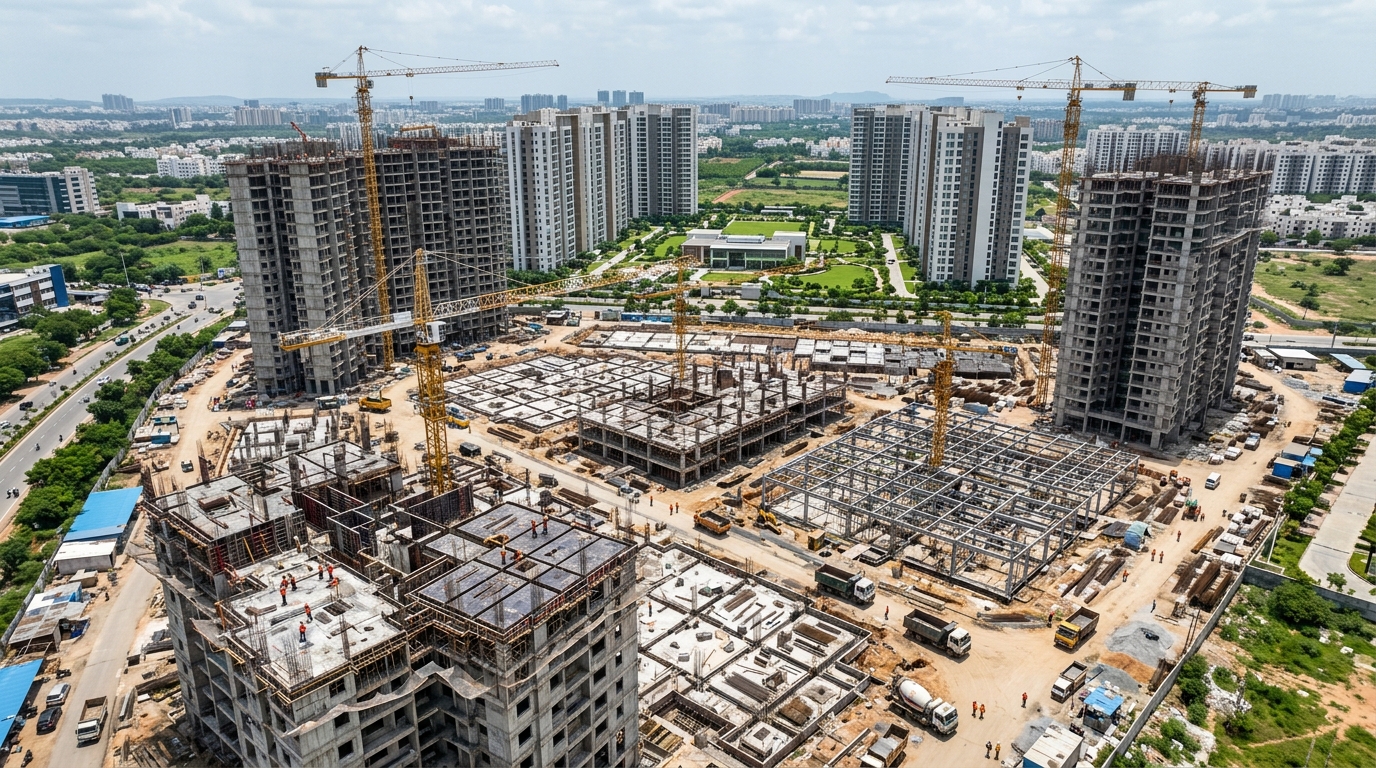
The Current Growth Engine: Understanding the Forces at Play
India's top residential markets are not just experiencing growth; they're redefining it. The Times of India article highlights a confluence of factors including rising disposable incomes, a growing aspirational class, favorable interest rates, and a strong demand for quality housing. For builders and landowners, this translates to a prime opportunity for strategic land acquisition and project development. Developers who can align their offerings with evolving buyer aspirations, be it for spacious homes, sustainable living, or smart amenities, will be best positioned to capitalize.
Landowners, in particular, stand to benefit from increased developer interest, leading to potentially higher land values and more attractive joint venture opportunities. The onus is on developers to identify micro-markets within these top-tier cities that exhibit sustained demand and potential for appreciation.
Increased disposable incomes fueling homeownership aspirations.
Aspirational buyer segment seeking quality and modern amenities.
Favorable interest rate environment supporting affordability.
Government initiatives promoting affordable housing and infrastructure development.
Construction Trends, Approvals, and the Supply Pipeline
The demand-supply mismatch remains a critical factor. While demand is robust, the pace of new project launches and completions often lags, creating a window of opportunity for developers. Streamlining the construction process, adopting pre-fabricated or modular construction techniques where feasible, and investing in skilled labor can accelerate project delivery. Navigating the approval process efficiently is paramount; developers with established relationships and a deep understanding of local regulatory frameworks will have a distinct advantage.
The supply pipeline needs to be carefully managed. Over-saturation in niche segments can lead to price corrections. A data-driven approach to understanding demand for specific unit typologies, configurations, and price points is crucial. Developers must also prioritize sustainable construction practices and incorporate green building features, which are increasingly becoming a deciding factor for discerning buyers.
Adoption of faster construction technologies (e.g., pre-fab, modular).
Focus on efficient project management to shorten delivery cycles.
Strategic engagement with regulatory bodies to expedite approvals.
Prioritizing sustainable materials and green building certifications.
Hyderabad's Golden Quadrilateral: Gachibowli, Kokapet, and the Financial District
Hyderabad, particularly areas like Gachibowli, Kokapet, and the Financial District, emerges as a significant growth hub. The presence of IT parks, a burgeoning startup ecosystem, and a young, affluent workforce drives sustained demand for residential properties. These locations offer a compelling proposition for developers targeting mid-to-high-end segments.
The opportunity lies in developing integrated townships and premium residential enclaves that cater to the lifestyle needs of professionals working in these zones. Developers can leverage the existing infrastructure and the continuous influx of talent to create communities that offer convenience, connectivity, and a high quality of life. Understanding the specific buyer profile in each micro-market, be it the young professional in Gachibowli or the established executive in the Financial District, is key to successful project conceptualization and marketing.
High concentration of IT and financial services hubs attracting professionals.
Young and affluent demographic with significant purchasing power.
Robust social and physical infrastructure supporting residential development.
Potential for premium and mixed-use developments catering to a discerning clientele.
Navigating Risks and Execution Challenges
Despite the optimistic outlook, developers must be cognizant of potential risks. These include fluctuating raw material costs, labor availability and skill gaps, and potential shifts in economic sentiment. Execution challenges can arise from land acquisition complexities, unforeseen regulatory changes, and intense competition.
A robust risk management framework is essential. This involves meticulous due diligence on land parcels, securing multiple suppliers for construction materials, investing in employee training, and maintaining flexibility in project planning. Strong financial backing and prudent debt management are crucial to weather any market volatility. Ultimately, successful execution hinges on a deep understanding of the target market, efficient project management, and a commitment to delivering quality homes that meet and exceed buyer expectations.
Managing volatility in construction material prices.
Addressing labor shortages and skill development needs.
Navigating complex land acquisition and regulatory landscapes.
Mitigating financial risks through prudent planning and capital management.
Source: The Times of India