The Green Office Revolution: What India's 75% Green Asset Future Means for Developers
Published: November 2026
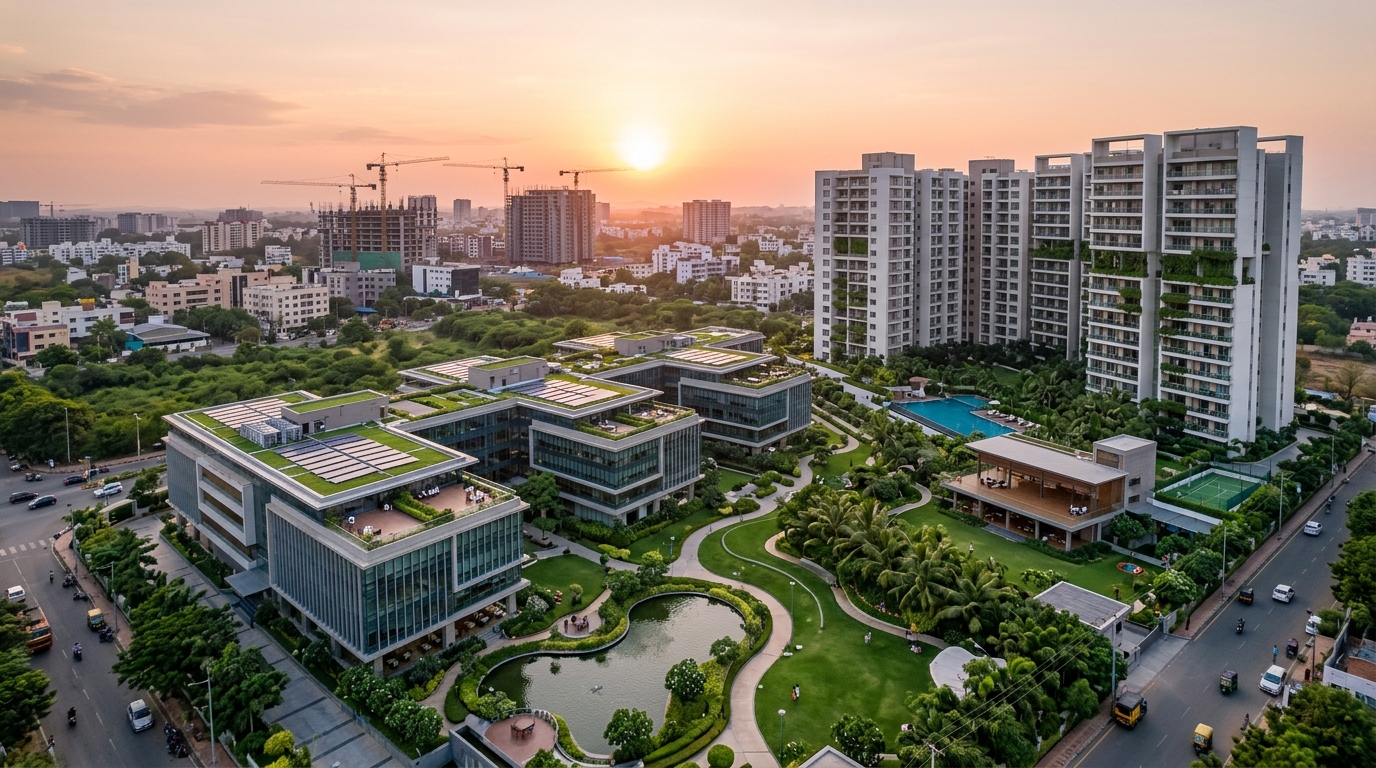
Seizing the Green Opportunity: What Builders and Landowners Need to Know
The forecast of 75% green grade-A office stock by 2030 isn't just an environmental metric; it's a powerful market signal. For builders and developers, this translates into a significant competitive advantage and a crucial area for future investment. Embracing green building practices will no longer be a niche offering but a mainstream expectation. Landowners who have sites in or near established and emerging commercial hubs should position their land for sustainable development, as these projects will attract premium rents and higher demand from tenants prioritizing ESG (Environmental, Social, and Governance) credentials.
This green shift is driven by both tenant demand and regulatory impetus. Corporations are increasingly setting ambitious sustainability targets, making green-certified buildings a non-negotiable for their office leases. This creates a clear demand-supply dynamic where green assets will command a premium and occupy a larger share of the market. Developers who are early adopters of sustainable technologies and design principles will be best positioned to capture this growing segment.
- Developers should integrate green building certifications (e.g., LEED, IGBC, GRIHA) into their core project strategies.
- Landowners can enhance their land value by actively seeking partners with a proven track record in sustainable development.
- Understanding tenant ESG mandates will be critical for project planning and tenant acquisition.
Construction Trends, Approvals, and the Supply Pipeline
The acceleration towards green assets will influence every stage of the construction lifecycle. Expect a surge in demand for green building materials, energy-efficient systems (HVAC, lighting), water conservation technologies, and smart building management systems. This will necessitate a recalibration of the supply chain to ensure availability and competitive pricing of these specialized products.
Navigating the approval process for green projects might require understanding specific local regulations and incentives that promote sustainable construction. Developers should proactively engage with authorities to streamline approvals for green-certified buildings. The existing supply pipeline needs to be scrutinized for its 'green readiness.' While some projects may already be inherently sustainable, others will require retrofitting or significant design modifications to meet future green standards. A proactive approach to incorporating green elements from the design phase will be more cost-effective and efficient than retrofitting later.
- Invest in R&D for incorporating innovative sustainable materials and technologies.
- Build strong relationships with suppliers of green building products.
- Familiarize teams with green building codes and certification requirements.
- Prioritize energy efficiency, water conservation, and waste management in designs.
Location-Specific Opportunities: The Hyderabad Advantage
Cities like Hyderabad, with its robust IT and business ecosystem, are prime candidates to lead this green office revolution. Areas like Gachibowli, Kokapet, and the Financial District, which are already established or emerging commercial hubs, present significant opportunities for green office development. These locations attract multinational corporations and fast-growing startups that are increasingly conscious of their environmental footprint.
The concentration of IT parks and financial institutions in these Hyderabad micro-markets means a higher demand for grade-A office spaces that align with global sustainability standards. Developers who can deliver high-quality, green-certified office buildings in these strategically important zones will benefit from strong pre-leasing interest and sustained occupancy. The potential for a supply-demand mismatch exists for conventional office spaces, while green, modern facilities will likely see robust absorption.
- Target premium locations within Hyderabad's IT corridors for green office projects.
- Conduct thorough market analysis to understand the specific green building requirements of potential tenants in these areas.
- Explore opportunities for developing integrated green campuses that offer amenities and foster a sustainable work environment.
Navigating Risks and Execution Challenges
While the green office wave presents immense opportunities, developers must be cognizant of the potential risks and execution challenges. The initial capital investment for green technologies and certifications can be higher, although often offset by long-term operational savings and higher rental yields. Ensuring the availability of skilled labor and expertise in sustainable construction practices is crucial.
Another challenge lies in the potential for 'greenwashing' if not executed with genuine commitment. Buyers and tenants are becoming more discerning. Developers need to ensure that their sustainability claims are backed by verifiable certifications and demonstrable performance. Project execution needs meticulous planning to integrate green features without compromising on timelines or budget. Staying abreast of evolving green building standards and technological advancements will be an ongoing challenge.
- Develop robust financial models that account for the full lifecycle cost and benefits of green buildings.
- Invest in training and upskilling the workforce in green construction techniques.
- Maintain transparency and integrity in all sustainability claims and reporting.
- Form strategic partnerships with technology providers and certification bodies.
Source: ET Realty