Hyderabad's Real Estate Boom: Navigating the Surge in Demand and Land Scarcity
Published: November 2026
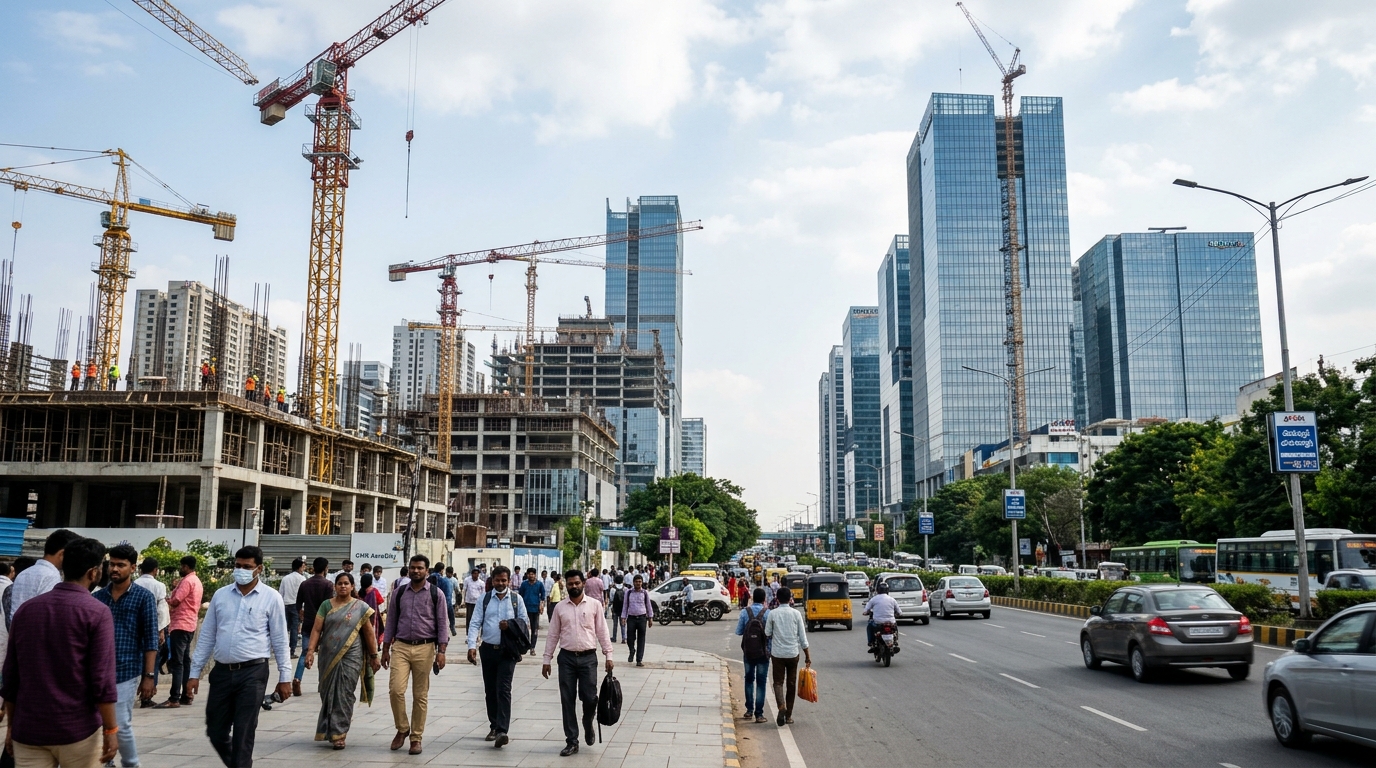
The Golden Opportunity for Builders and Landowners
Hyderabad's current real estate climate is nothing short of a gold rush for developers and landowners. The unprecedented demand, fueled by a thriving IT sector, significant government investment in infrastructure, and a growing population, is creating a substantial supply-demand mismatch. This imbalance translates directly into increased property values and rental yields, making it an opportune moment to invest and develop. Landowners in prime and emerging corridors are in a position of strength, able to command premium prices or enter into lucrative joint development agreements. For builders, the challenge lies in identifying viable land parcels and executing projects swiftly to capitalize on this sustained demand.
The Telangana government's proactive approach to fostering economic growth, particularly in the IT and life sciences sectors, has acted as a significant catalyst. This sustained economic activity directly translates into a consistent demand for residential, commercial, and even industrial real estate. Developers need to analyze these growth vectors to pinpoint areas with long-term potential beyond just the immediate hype.
- Opportunity to secure land parcels at potentially higher valuations.
- Increased potential for profitable joint development ventures.
- Strong rental yields for completed commercial and residential projects.
- Favorable market conditions for rapid sales velocity.
Construction Trends, Approvals, and the Supply Pipeline
The accelerated demand is putting immense pressure on the construction ecosystem. While the market is ripe for development, builders must navigate a complex approval process, which can sometimes lead to delays. Streamlining these processes and anticipating potential bottlenecks is crucial. Furthermore, the surge in construction activity is likely to strain the supply chain for labor and raw materials. Developers who can secure reliable supply chains and optimize construction timelines will have a significant competitive advantage. Trends indicate a growing preference for sustainable and smart construction technologies, which can also enhance project appeal and long-term value.
The current market dynamics necessitate a nimble approach to project planning and execution. Long approval cycles can erode profitability. Builders should proactively engage with regulatory bodies and explore avenues for faster clearances. Simultaneously, pre-empting potential material shortages or labor crunches through strategic sourcing and partnerships will be key to maintaining project momentum and delivering on time.
- Potential for extended approval timelines impacting project launch dates.
- Increased demand for skilled labor and construction materials.
- Rising input costs for construction due to supply-demand pressures.
- Growing importance of sustainable and smart construction technologies.
Location-Specific Opportunities: Hyderabad's Hotspots
Hyderabad, particularly its western corridor, remains the epicenter of this growth. Areas like Gachibowli, Kokapet, and the Financial District are witnessing unparalleled demand for both residential and commercial spaces. Gachibowli, a well-established IT hub, continues to attract talent and businesses, driving demand for premium housing and serviced apartments. Kokapet, with its vast open spaces and planned development, is emerging as a prime location for large-scale residential townships and mixed-use developments. The Financial District, as its name suggests, is a magnet for corporate offices, creating sustained demand for Grade A commercial office spaces and upscale residential options nearby. Developers need to identify specific micro-markets within these broader areas that offer unique development propositions and cater to distinct demographic needs.
Within these prime locales, understanding the specific demand drivers is critical. For instance, Gachibowli's existing IT infrastructure supports demand for affordable to mid-range housing, while new developments in Kokapet can cater to the luxury segment. The Financial District's demand is primarily driven by its corporate tenants and their employees, necessitating a focus on high-quality commercial and premium residential offerings.
- Gachibowli: Continued demand for residential and commercial spaces due to existing IT ecosystem.
- Kokapet: Opportunity for large-scale residential and mixed-use projects amidst planned development.
- Financial District: High demand for Grade A commercial and premium residential units.
- Emerging peripheral areas offering potential for affordable housing and future growth.
Risks and Execution Challenges
While the opportunities are significant, the risks associated with this rapid expansion cannot be ignored. The primary challenge for developers is land acquisition in these sought-after locations, often involving competitive bidding and complex negotiations. Escalating land prices can impact project viability and profit margins if not factored in accurately. Execution risk is another major concern, stemming from potential labor shortages, material price volatility, and the aforementioned regulatory hurdles. Maintaining construction quality and adhering to project timelines are paramount to brand reputation and customer satisfaction. Furthermore, market saturation in certain segments or a sudden economic downturn could pose a risk, emphasizing the need for diversified portfolios and robust financial planning. Developers must also be mindful of evolving buyer preferences and ensure their projects are future-proofed against changing market dynamics.
A strategic approach to risk mitigation is essential. This includes thorough due diligence on land parcels, meticulous financial modeling that accounts for price escalations, and building strong relationships with contractors and suppliers. Diversifying product offerings within a micro-market can also hedge against specific segment downturns. For landowners, understanding the true market value of their land and negotiating terms that protect their long-term interests is crucial.
- Intense competition for land parcels leading to inflated acquisition costs.
- Potential for cost overruns due to material price fluctuations and labor shortages.
- Regulatory delays impacting project timelines and cash flows.
- Risk of market saturation or an unforeseen economic slowdown affecting sales velocity.
- Maintaining quality and timely delivery amidst rapid development.
Source: regnews.in