Hyderabad's ₹50-75 Lakh Sweet Spot: Unlocking Opportunities for Developers and Landowners
Published: September 2026
The Shifting Sands of Affordability: What ₹50-75 Lakh Means for Stakeholders
The reported price range of ₹50-75 lakh for 2 BHK apartments in Hyderabad is not just a statistic; it's a signal of evolving buyer aspirations and a burgeoning demand for accessible, well-located housing. For developers, this price point represents a significant sweet spot. It allows for attractive profit margins while remaining within reach of a substantial segment of the Hyderabad population, including young professionals, growing families, and investors seeking rental yields. This broadens the addressable market considerably.
Landowners in and around established and emerging growth corridors of Hyderabad stand to benefit immensely. The demand within this price bracket necessitates projects with a reasonable land footprint. Developers will be actively scouting for parcels of land that can support mid-rise or high-rise developments catering to this segment, especially those with good connectivity and social infrastructure. This creates a strong incentive for landowners to re-evaluate their holdings and consider joint development agreements or outright sales to capitalize on the current market sentiment.
Construction Trends, Approvals, and the Supply Pipeline
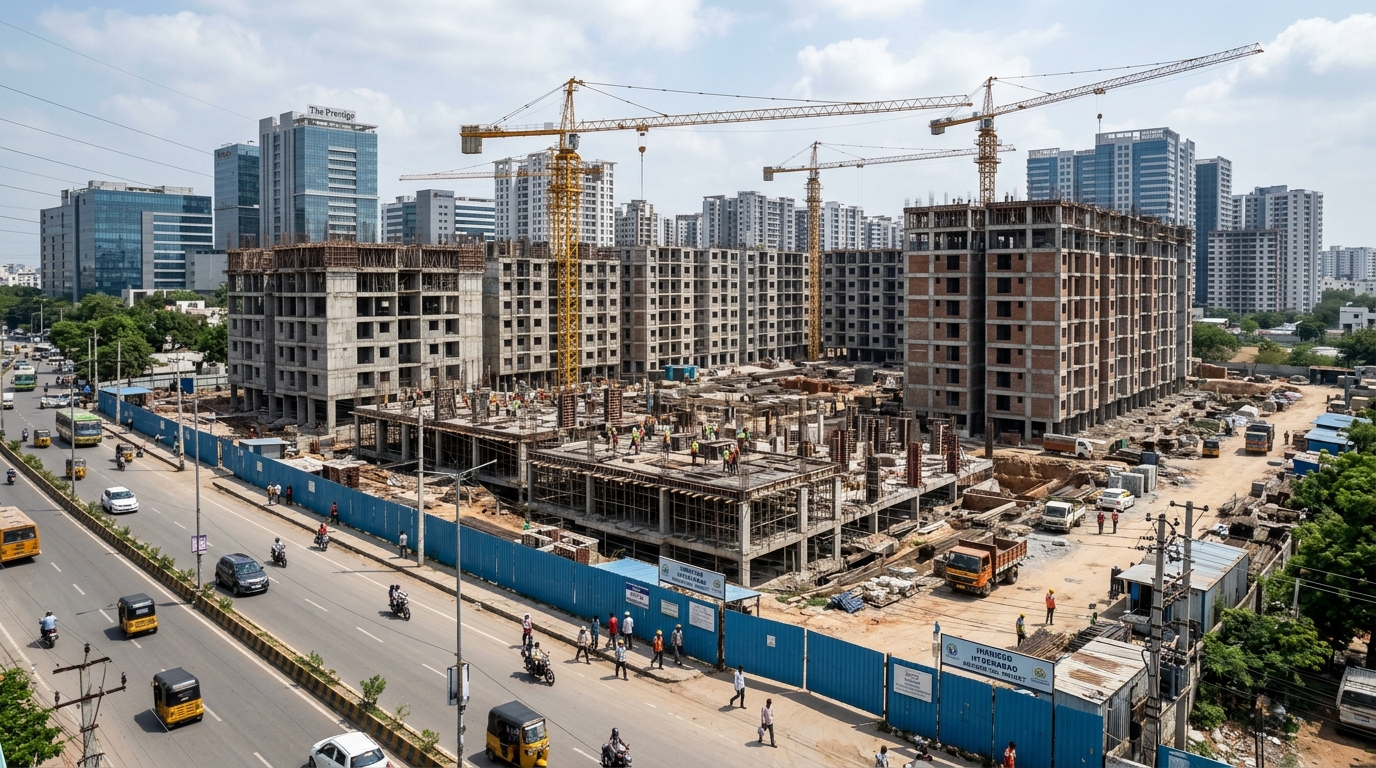
The ₹50-75 lakh segment thrives on efficient construction and optimized project planning. Developers will focus on cost-effective construction technologies, modular components, and streamlined building processes to maintain profitability. The emphasis will be on delivering quality homes within predictable timelines. This also implies a focus on efficient land utilization and maximizing built-up area without compromising on living spaces or amenities.
Navigating the approval process remains a critical factor. Timely and transparent approvals from local authorities in Hyderabad are paramount to ensure a consistent supply pipeline. Developers need to stay abreast of zoning regulations, environmental clearances, and building plan sanctions. The key challenge here is to forecast demand accurately and secure approvals well in advance to avoid delays and cost overruns. A robust and predictable supply pipeline is essential to meet the anticipated demand in this price-sensitive segment.
- Adoption of pre-fabricated and modular construction techniques for faster build times.
- Emphasis on sustainable and cost-efficient building materials.
- Streamlining internal project management for quicker execution.
- Proactive engagement with regulatory bodies for expedited approvals.
Location-Specific Opportunities: Gachibowli, Kokapet, and the Financial District Nexus
While the article doesn't explicitly detail these locations, the general context of Hyderabad's growth points strongly towards areas like Gachibowli, Kokapet, and the broader Financial District. These hubs are magnets for IT professionals and corporate employees, forming the core demographic for 2 BHK apartments in the ₹50-75 lakh range. Proximity to employment centers, established social infrastructure (schools, hospitals, entertainment), and robust connectivity are prime drivers for demand in these micro-markets.
Developers looking to tap into this opportunity should prioritize locations that offer a balance of affordability and accessibility. This might involve exploring peripheral areas around the core IT hubs that are rapidly developing their own infrastructure and amenities. Identifying these emerging growth corridors before they become saturated is key to securing land at competitive prices and developing projects that offer genuine value to the target buyer.
- Focus on micro-markets with high concentrations of IT/ITES companies.
- Identify areas with developing social infrastructure and good public transport links.
- Analyze the competitive landscape to find underserved pockets within established growth corridors.
- Consider projects offering a blend of convenience and lifestyle amenities.
Risks and Execution Challenges: Navigating the Path to Profitability
Despite the promising demand, developers must be acutely aware of the inherent risks. Intense competition within this price segment means developers need to differentiate their offerings through superior design, amenities, and value proposition. A supply-demand mismatch, if not managed carefully, can lead to price stagnation or downward pressure, impacting profit margins. Economic slowdowns, interest rate hikes affecting buyer affordability, and fluctuating construction costs are also significant concerns.
Execution challenges are multifaceted. Ensuring quality construction at scale while managing costs is a perennial challenge. Delays in approvals, labor shortages, and supply chain disruptions can derail project timelines and inflate budgets. Developers need robust project management capabilities, strong relationships with vendors and contractors, and a keen understanding of the regulatory environment to mitigate these risks effectively. A well-executed project in this segment can yield significant returns, but it requires meticulous planning and flawless execution.
- Managing cost escalations of raw materials and labor.
- Mitigating risks associated with regulatory changes and approval delays.
- Maintaining consistent quality across multiple units and projects.
- Developing effective sales and marketing strategies to reach the target audience.
- Forecasting and managing potential supply gluts in popular micro-markets.
Source: The Economic Times