Riding the Rental Wave: Old City's Emerging Opportunity for Hyderabad Developers
Published: September 2026
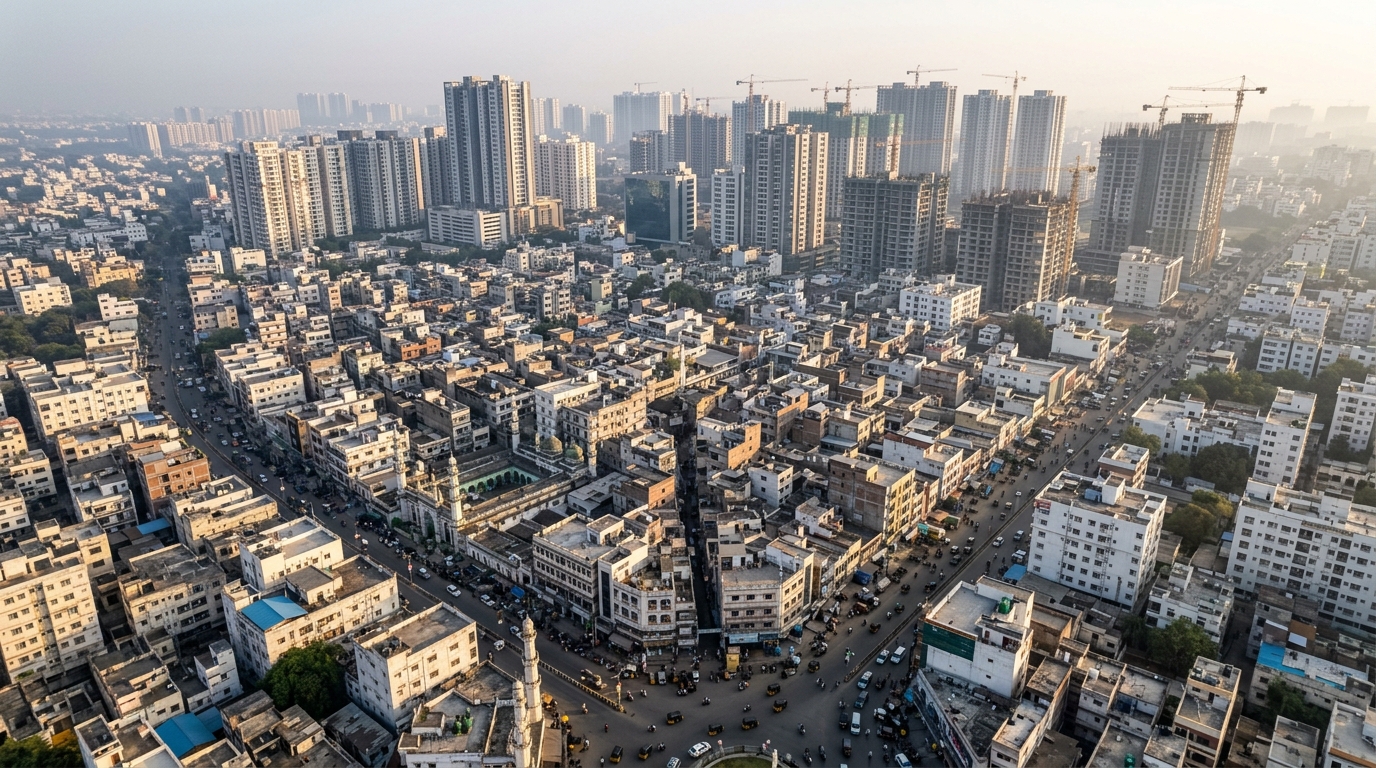
The Shifting Landscape: Landowners and Developers Reassess Old City
The recent surge in rental income for Old City property owners isn't just a local phenomenon; it's a clear indicator of an underserved rental market in a historically significant area of Hyderabad. For landowners, this means the potential for consistent, high yields from their existing properties, shifting the focus from outright sales to optimized rental strategies. For developers, it signals an opportune moment to explore mixed-use developments, affordable housing projects, and rental-focused communities within or adjacent to these established neighborhoods. The rising demand suggests a genuine need for modern, well-managed rental stock.
This trend also implies a potential shift in buyer sentiment. As rental yields become more attractive, the perceived value of property ownership in these areas might increase, leading to a dual benefit for developers who can cater to both rental and ownership markets. Understanding the local demographic and their specific housing needs will be paramount to success.
- Developers should analyze rental yields in Old City against broader Hyderabad market trends.
- Landowners can explore professional property management for their existing assets.
- Consider mixed-use projects that combine retail/commercial on lower floors with residential rentals above.
Construction Trends, Approvals, and the Supply Pipeline
The rising rental demand in Old City presents a unique challenge and opportunity for the construction sector. While established areas might have limitations on large-scale new builds due to existing infrastructure and planning, there's significant scope for adaptive reuse of older structures and smaller, infill developments. Developers should investigate opportunities for converting underutilized commercial spaces into residential units or constructing multi-story apartment complexes on vacant plots. The approval process in older city zones can be intricate; hence, early engagement with local municipal authorities and understanding heritage building regulations will be crucial.
The supply pipeline for modern rental accommodations in Old City is likely to be thin. This demand-supply mismatch is precisely where developers can step in. Focusing on cost-effective construction techniques and efficient project management will be key to delivering projects that remain affordable for the target renter demographic while ensuring attractive returns for investors. The trend also suggests a potential for modular construction or pre-fabricated elements to speed up development in tight urban spaces.
- Investigate opportunities for vertical expansion or redevelopment of existing properties.
- Streamline the approval process by understanding local zoning and heritage regulations.
- Focus on efficient construction methods to maintain affordability and speed to market.
- Explore partnerships with landowners for joint development of rental properties.
Location-Specific Opportunities: Beyond the Old City Core
While the news specifically points to Old City, its implications ripple outwards. The rising rental demand in this core area is likely driven by affordability and proximity to established employment hubs. This could create a spillover effect, increasing rental demand in adjacent, well-connected neighborhoods. Developers with a keen eye for emerging micro-markets around Old City, perhaps those with better infrastructure or newer development potential, should be exploring these areas.
While Gachibowli, Kokapet, and the Financial District are known for their premium residential and commercial offerings, the Old City rental trend highlights a different segment of the market. However, even in these prime locales, there's always a demand for well-located, reasonably priced rental options, particularly for those working in these high-employment zones but seeking more affordable living. Developers could explore smaller, strategically located rental projects in these premium areas, or focus on co-living spaces to cater to the professional workforce.
- Analyze rental demand patterns in areas bordering Old City.
- Identify transitional micro-markets that offer a balance of affordability and connectivity.
- Consider co-living or shared accommodation models for professionals in prime areas.
Navigating Risks and Execution Challenges
The Old City presents a unique set of execution challenges for developers. Navigating existing infrastructure, including narrow streets and potential utility constraints, requires meticulous planning and innovative construction approaches. Property titling and land acquisition in older urban areas can be complex, demanding thorough due diligence and strong local relationships. Moreover, understanding the cultural nuances and community dynamics of the Old City is vital to ensure projects are well-received and integrated into the existing social fabric.
Financing these projects, especially smaller-scale developments or those involving adaptive reuse, might require exploring alternative funding models. Market absorption rates for rental properties in older zones need careful forecasting, and the potential for slower rent growth compared to newer, premium segments should be factored into financial projections. Finally, maintaining rental properties to a high standard to attract and retain tenants in a competitive landscape will be an ongoing operational challenge.
- Conduct exhaustive due diligence on land titles and heritage building regulations.
- Develop strong relationships with local communities and authorities.
- Incorporate flexible and adaptive construction methods for tight urban spaces.
- Factor in potential delays and complexities inherent in older urban development projects.
Source: Telangana Today