GOCL's Land Deal: A Catalyst for Hyderabad's Real Estate Boom
Published: September 2026
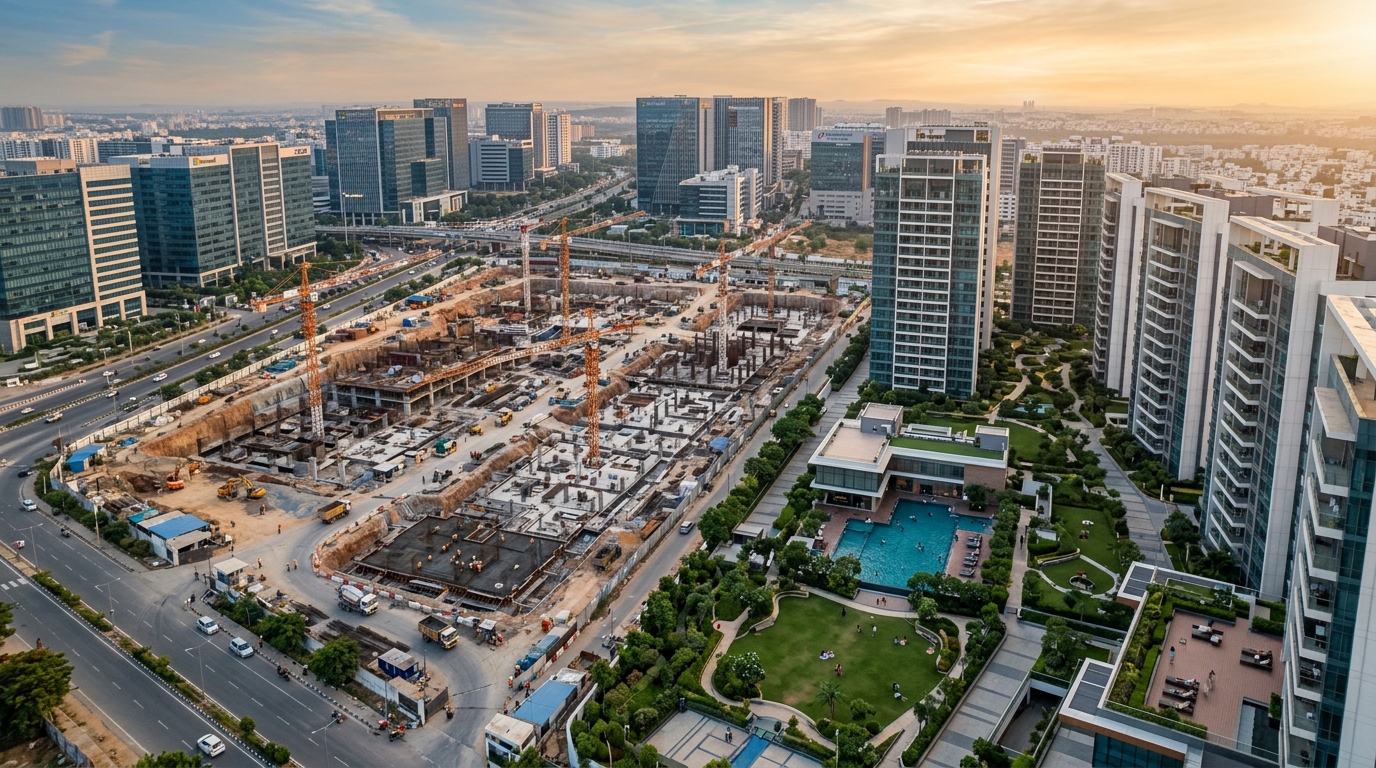
Unlocking Potential for Builders and Landowners
GOCL Corporation's divestment of a substantial parcel of land, with a significant portion already sold, is a clear indicator of strategic land monetization. For builders and developers, this opens up a new supply of prime real estate, especially if the remaining land is in or near burgeoning micro-markets. Landowners in adjacent areas might also see increased interest and potentially higher valuations, as infrastructure development often follows large-scale land transactions and subsequent project launches. This move could inject much-needed inventory into a market that has shown robust demand.
The sale suggests a potential shift in GOCL's focus, which could lead to further land parcel releases or a concentration of development in specific areas. Developers should closely monitor any announcements regarding the remaining 107.5 acres, as its future use could significantly impact the competitive landscape. The key takeaway for builders is to assess the absorptive capacity of the market for the types of projects that can be conceived on this newly available land.
Opportunity for developers to acquire large land parcels for integrated townships or phased developments.
Potential for landowners to leverage increased market activity for strategic partnerships or outright sales.
Urgency for developers to conduct due diligence and pre-launch planning to capitalize on potential supply.
Construction Trends, Approvals, and Supply Pipeline Dynamics
This land transaction is likely to influence the construction pipeline, particularly in Hyderabad's growth corridors. The release of such a large land parcel, if strategically located, can fuel a surge in new project launches spanning residential, commercial, and perhaps even mixed-use developments. However, the speed of this pipeline will be heavily dependent on the efficiency of the approval processes. Developers must factor in the current regulatory environment and potential timelines for obtaining necessary sanctions, which can often be a bottleneck in large-scale projects. The supply-demand mismatch in Hyderabad, particularly for quality residential and Grade A commercial spaces, makes this land a valuable asset for quick absorption, provided development is executed swiftly and efficiently.
The trend towards sustainable and smart development is paramount. Builders leveraging this land should consider incorporating green building practices and smart city technologies to cater to evolving buyer preferences and potential policy incentives. The availability of skilled labor and construction materials will also be critical factors in maintaining project momentum and adhering to delivery schedules, especially in a rapidly developing urban center like Hyderabad.
Accelerated project launches in high-demand micro-markets.
Increased scrutiny on approval timelines and regulatory compliance.
Emphasis on sustainable and smart construction practices.
Potential strain on labor and material supply chains.
Location-Specific Opportunity: Hyderabad's Golden Quadrilateral
The strategic significance of GOCL's land holdings in Hyderabad cannot be overstated. Given the company's existing presence, it is highly probable that the land is situated in or around areas experiencing significant growth. If the land is located near or within the 'Golden Quadrilateral' of Hyderabad – encompassing Gachibowli, Kokapet, and the Financial District, the implications are immense. These areas are already hubs for IT, finance, and premium residential development, characterized by robust infrastructure and a high concentration of corporate HQs and talent pools. The availability of a large land parcel here could catalyze the development of integrated townships, large commercial campuses, or high-density residential projects catering to the affluent and expatriate population.
The demand for housing and commercial spaces in these specific locales remains consistently high, fueled by continuous job creation and a desire for proximity to employment centers and lifestyle amenities. Any development on this land needs to be aligned with the existing ecosystem and future growth plans of these districts. Developers should conduct micro-market analysis to identify specific needs within these zones, be it ultra-luxury residential, co-living spaces, or specialized commercial offices.
Prime opportunity for integrated townships in Gachibowli/Kokapet/Financial District.
Catering to demand for premium residential and Grade A commercial spaces.
Leveraging existing infrastructure and talent pool.
Alignment with future urban development plans for these growth corridors.
Risks and Execution Challenges for Developers
While the land sale presents significant opportunities, developers must navigate potential risks and execution challenges. The primary risk lies in the potential for oversupply if multiple large projects are launched simultaneously, leading to price wars and slower absorption rates. Market cyclicality and economic downturns can also impact demand, especially for luxury segments. Furthermore, infrastructure augmentation, such as increased power supply, water, and sewage connections, might lag behind rapid development, creating operational issues for residents and businesses. Land acquisition itself, even with a sale completed by GOCL, might involve complex legal clearances and title verification processes for the end-user developers.
Execution challenges are multifaceted. Securing timely project financing, managing construction costs amidst volatile material prices, and attracting and retaining skilled construction labor are perennial concerns. Navigating complex zoning regulations and obtaining environmental clearances can also lead to delays. For landowners, the risk might involve choosing the right development partner and ensuring fair valuation and contractual terms to maximize returns. The successful execution will hinge on meticulous planning, robust financial management, and a deep understanding of the local market dynamics and regulatory landscape.
Risk of market saturation and price erosion due to concurrent large-scale launches.
Challenges in infrastructure augmentation keeping pace with development.
Potential for construction cost escalations and labor shortages.
Navigating complex regulatory and environmental clearance processes.
Thorough due diligence on land titles and associated legalities.
Source: Sahi