Hyderabad Real Estate Under Scrutiny: TGRERA's Action Against Krithika Infra Signals Shifting Investor Sentiment
Published: May 2026
Market Implications: Trust and Transparency Take Center Stage
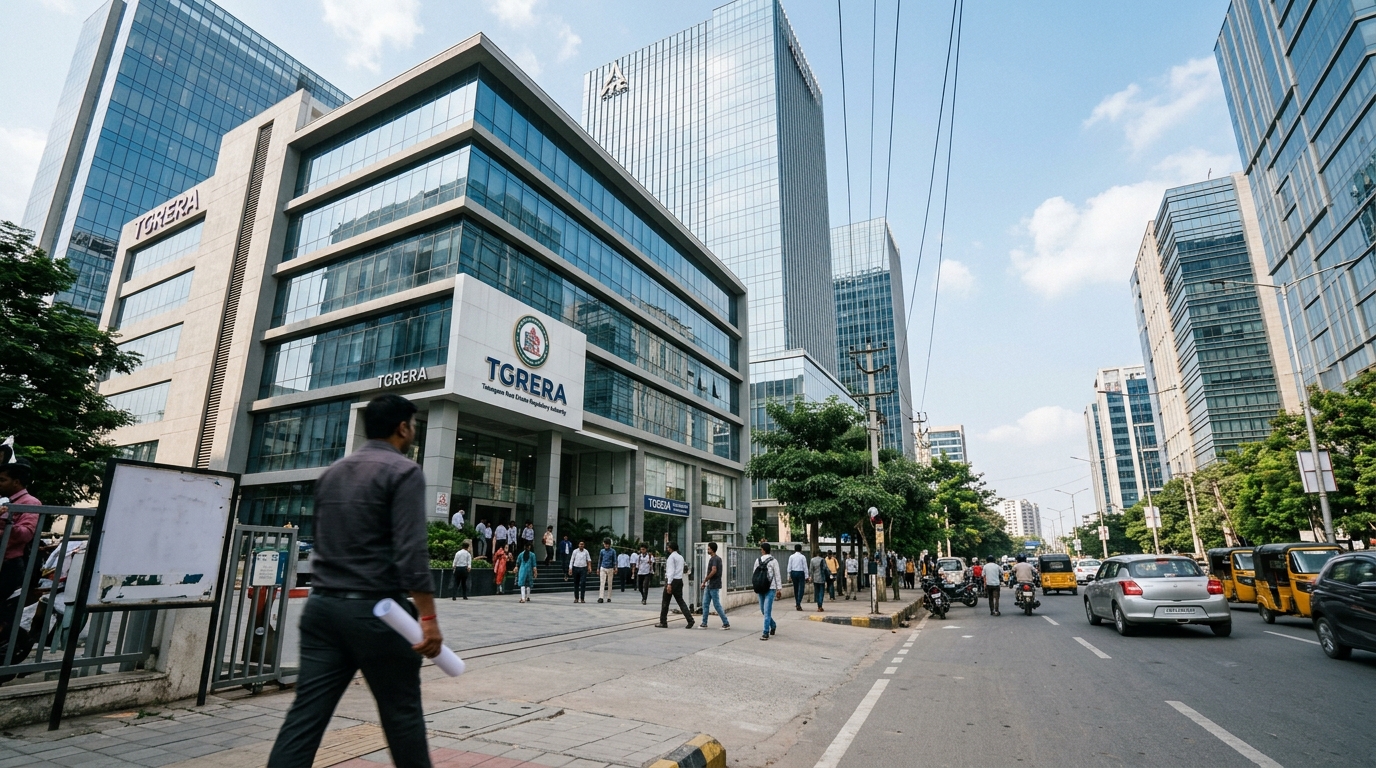
The TGRERA's decisive action against Krithika Infra, branding them a 'habitual violator,' underscores a growing emphasis on buyer protection within the Hyderabad real estate landscape. For the market, this means a heightened focus on developer reputation and adherence to RERA guidelines. Investors are likely to scrutinize developers more closely, favoring those with a clean track record and a history of timely project completion and transparent dealings. This could indirectly impact demand, as buyers may become more hesitant to invest in projects from developers facing regulatory scrutiny, potentially leading to a temporary slowdown in sales for such entities. Conversely, developers with strong compliance records may see an uptick in investor confidence and a more stable demand for their offerings.
While this specific incident involves one developer, it sets a precedent for stricter enforcement across the sector. The mandated refund of Rs 1.2 crore to four homebuyers serves as a stark reminder of the financial repercussions for non-compliance. This could influence pricing dynamics in the long run, as developers who prioritize ethical practices and timely delivery might be able to command a premium due to their reliability. The overall supply dynamics might see a recalibration as the market begins to favor quality and compliance over rapid, unchecked expansion.
- Increased scrutiny of developer track records.
- Potential slowdown in sales for non-compliant developers.
- Premium pricing for developers with strong compliance.
- Emphasis on transparency in project execution and timelines.
Institutional Investor Perspective: Risk Mitigation and Due Diligence
For institutional investors, this TGRERA ruling amplifies the need for robust due diligence. Capital allocation decisions will increasingly be influenced by a developer's regulatory standing and past performance. Funds that have previously invested in or are considering investments in the Hyderabad market will need to incorporate a deeper level of risk assessment concerning project approvals, legal compliance, and dispute resolution history. A 'habitual violator' tag for a developer presents a significant reputational and financial risk that institutional investors will actively seek to avoid.
The direction of capital flow is likely to shift towards developers with a proven commitment to regulatory adherence and ethical business practices. This event may also spur greater demand for escrow services and transparent fund management practices, offering greater security for investor capital. Institutional players might also explore avenues for greater engagement with RERA to understand enforcement trends and ensure their investments are protected by a strong regulatory framework.
- Enhanced due diligence on developer compliance.
- Preference for developers with a history of regulatory adherence.
- Increased focus on fund security and transparent management.
- Potential for greater demand for RERA-compliant investment vehicles.
Policy and Regulatory Impact: Strengthening Buyer Rights
The TGRERA's proactive stance in addressing violations signifies the maturing of real estate regulation in Telangana. This ruling reinforces the authority's role in safeguarding homebuyers' interests and ensuring fair play in the sector. The ability of regulatory bodies to enforce penalties and mandate refunds acts as a deterrent against malpractices and promotes a more responsible development ecosystem.
This event could encourage further policy refinements aimed at streamlining dispute resolution processes and increasing transparency in property transactions. For the broader real estate market, it emphasizes the importance of understanding and adhering to RERA provisions, potentially leading to a more organized and trustworthy investment environment. Investors can expect a continued focus on regulatory compliance as a key factor in market stability and growth.
- Reinforcement of RERA's role in protecting homebuyers.
- Increased deterrence against developer malpractices.
- Potential for further policy refinements in dispute resolution.
- Emphasis on regulatory compliance for market stability.
Micro-Market Relevance: Hyderabad's Evolving Landscape
While the news focuses on a specific developer, its implications are relevant across Hyderabad's dynamic real estate market. Areas like Gachibowli, Kokapet, and the Financial District, which have witnessed significant growth and attracted substantial investment, are particularly sensitive to market sentiment and regulatory oversight. Developers operating in these high-value micro-markets must maintain impeccable compliance standards to retain investor confidence.
Any perceived increase in regulatory risk or non-compliance can have a ripple effect, impacting property valuations and the pace of new project launches in these prime locations. Investors in Hyderabad's core and peripheral growth corridors should prioritize developers with a history of successful project delivery and a strong ethical framework, as these factors will be crucial in navigating the market and ensuring the security of their investments.
- Direct relevance to high-growth areas like Gachibowli, Kokapet, and Financial District.
- Impact on property valuations and project launch pace.
- Necessity for impeccable compliance in prime micro-markets.
- Prioritization of developers with strong ethical frameworks.
Source: NewsMeter