Mumbai's Sky-High Ambitions: What Tallest Residential Towers Mean for Developers
Published: May 2026
The Upswing for Builders and Landowners
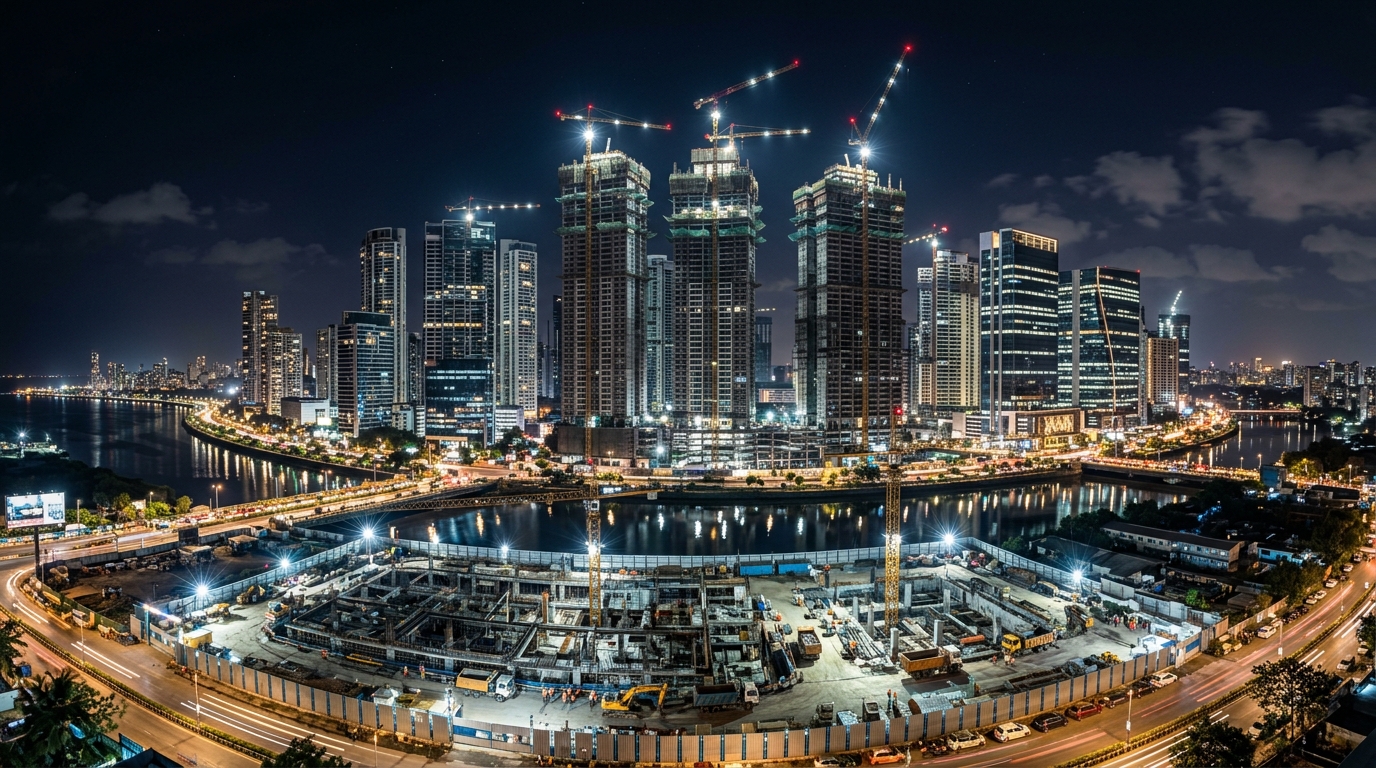
Mumbai's relentless pursuit of vertical living, as highlighted by the recent focus on its tallest residential buildings, presents a golden opportunity for developers and landowners. These projects command premium pricing and attract a discerning buyer segment, leading to higher profit margins. For landowners, the development of such high-impact projects signifies increased land value and a strong bargaining position for joint ventures or outright sales. The demand for ultra-luxury and spacious living is evident, pushing developers to innovate and build at unprecedented heights.
The 'tallest' tag itself becomes a powerful marketing tool, attracting global investors and high-net-worth individuals. This trend indicates a robust demand for aspirational living spaces, where views, amenities, and exclusivity are paramount. Developers who can successfully execute these complex projects will solidify their brand reputation and gain a competitive edge in a fiercely contested market.
- Premium pricing opportunities for luxury units.
- Increased land valuation and negotiation power for landowners.
- Enhanced brand visibility and market positioning for developers.
- Attraction of HNI and global investor capital.
Construction Trends, Approvals, and Supply Pipeline
Building at such heights is a testament to advancements in construction technology, engineering, and material science. Developers must invest in state-of-the-art techniques, including advanced formwork, high-strength concrete, and sophisticated façade systems. The approval process for these mega-projects is inherently complex, involving stringent safety regulations, environmental clearances, and urban planning compliance. Builders need to factor in extended approval timelines and engage proactively with regulatory bodies. The supply pipeline for specialized materials and skilled labor will be critical; shortages or delays can significantly impact project timelines and costs. Establishing robust relationships with suppliers and ensuring a steady flow of qualified personnel are crucial for successful execution.
The emphasis on sustainability and integrated building management systems is also a growing trend. Buyers in this segment expect not only luxury but also eco-friendly features and smart home technology, adding another layer of complexity and opportunity to the construction process.
- Adoption of advanced construction technologies and materials.
- Navigating intricate and time-consuming approval processes.
- Securing specialized construction materials and skilled labor.
- Integrating sustainable practices and smart building technologies.
Location-Specific Opportunities: Beyond Mumbai
While the news focuses on Mumbai, the underlying trend of demand for premium, high-rise living is transferable. Cities like Hyderabad, with its burgeoning IT hubs in Gachibowli and the Financial District, and emerging luxury corridors like Kokapet, are prime candidates for similar developments. These areas attract a similar demographic of affluent professionals and business leaders seeking aspirational homes. Developers can leverage the learnings from Mumbai's high-rise successes to explore opportunities in these rapidly developing urban centers. The key is to identify micro-markets with strong economic growth and a receptive buyer base for premium real estate.
Understanding the local land dynamics, regulatory environment, and competitive landscape in these new geographies will be crucial for success. A well-researched, location-specific strategy is vital to replicate the success seen in Mumbai.
- Hyderabad's Gachibowli, Financial District, and Kokapet as potential growth corridors.
- Leveraging Mumbai's high-rise development insights for new markets.
- Identifying micro-markets with strong economic drivers and affluent demographics.
- Tailoring strategies to local land, regulatory, and competitive conditions.
Risks and Execution Challenges
The allure of building the 'tallest' comes with inherent risks. Engineering and construction complexities escalate with height, demanding meticulous planning and execution to mitigate structural risks, wind loads, and seismic considerations. Project financing for such large-scale developments can be challenging, requiring substantial upfront capital and robust financial management. Market saturation is another risk; while demand exists, oversupply in the luxury segment could lead to price stagnation. The long gestation periods involved in high-rise projects expose developers to economic downturns and changes in consumer preferences.
Execution challenges also extend to managing large construction teams, ensuring quality control at every stage, and adhering to stringent safety protocols. Post-construction, facilities management for these super-tall structures requires specialized expertise and ongoing investment. Developers must conduct thorough feasibility studies, risk assessments, and secure comprehensive insurance coverage to navigate these potential pitfalls.
- Complex engineering and structural integrity challenges.
- Significant capital requirements and financing risks.
- Potential for market saturation and price volatility in the luxury segment.
- Managing extended project timelines and associated economic risks.
- Ensuring stringent safety standards and quality control.
- Specialized post-construction facilities management.
Source: Hindustan Times