Mumbai's Tallest Towers: A Look at Luxury Real Estate and Investment Opportunities
Published: May 2026
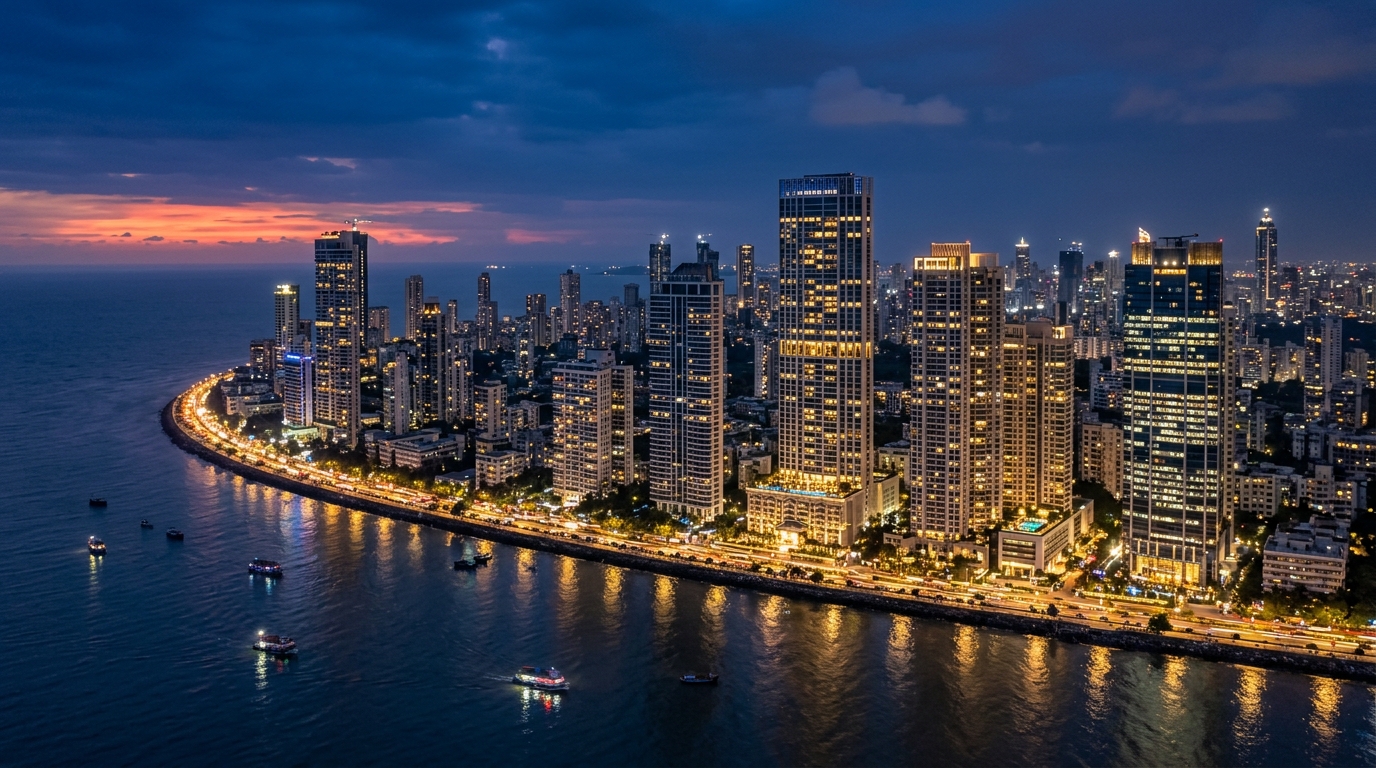
Mumbai's Vertical Ascent: What the Tallest Residential Buildings Tell Us
Mumbai, a city synonymous with ambition and density, continues to reach for the sky with its impressive residential towers. The recent surge in supertall residential buildings reflects not just architectural prowess but also a robust demand for luxury living in India's financial capital. These developments cater to a discerning clientele looking for exclusivity, amenities, and prime locations.
The article highlights five of Mumbai's tallest residential structures, offering insights into the types of apartments available, from expansive penthouses to spacious multi-bedroom units. This focus on premium living spaces is a key indicator of the market's evolution, shifting towards high-value, amenity-rich properties.
- Understanding the target demographic for these ultra-luxury properties.
- Analyzing the architectural trends and design innovations in high-rise living.
Investment Horizon: Now or Wait?
For investors, the emergence of such premium developments presents a unique opportunity. While the initial investment in these high-end properties can be substantial, the potential for capital appreciation and attractive rental yields is significant, particularly in established or rapidly developing prime locales. The demand for luxury housing in Mumbai remains relatively inelastic, driven by high-net-worth individuals and global investors.
However, potential buyers and investors should consider the current market dynamics. While luxury segment demand is strong, the broader economic climate, interest rate trends, and future supply pipeline are crucial factors. For those looking to invest, a longer-term perspective is advisable. The sustained growth of Mumbai's economy and its status as a global financial hub provide a solid foundation for real estate appreciation. Entry points may vary, and thorough due diligence on specific projects and their developers is paramount.
- Assess your risk appetite and investment horizon.
- Evaluate the developer's track record and project execution capabilities.
- Consider the liquidity of luxury real estate in Mumbai.
Price Movement Expectations and Rental Yield Potential
Prices in the ultra-luxury segment are typically driven by exclusivity, location, and the unique value proposition of the development. While the article doesn't detail specific price movements, it's reasonable to expect that these premium residences command top-tier pricing, reflecting construction costs, prime land values, and the array of luxury amenities offered. These properties often see steady appreciation, especially if they are in prime micro-markets with limited new supply.
Rental yields in Mumbai's luxury segment can be attractive, albeit often lower in percentage terms compared to mid-market properties due to the higher base cost. However, the absolute rental income can be substantial, and the tenant profile is typically stable and affluent. Long-term capital appreciation is often the primary driver for investors in this segment.
- Focus on capital appreciation as a primary investment goal.
- Analyze the potential for high absolute rental income.
- Monitor the price trends in comparable luxury developments.
Beyond Mumbai: A Note on Other High-Growth Markets
While this article focuses on Mumbai, it's worth noting that other Indian cities are also experiencing significant real estate growth, particularly in their commercial and residential hubs. For instance, markets like Hyderabad, with its thriving IT sector, and specific micro-markets within it such as Gachibowli, Kokapet, and the Financial District, are attracting considerable investment. These areas are characterized by rapid infrastructure development, job creation, and a growing demand for both commercial and residential spaces.
While the luxury segment in these cities might not yet match the scale of Mumbai's tallest towers, the underlying economic drivers suggest strong potential for appreciation and rental demand. Investors looking for diversification or different entry points might find these emerging markets compelling. However, it's crucial to conduct micro-market specific research, understanding local supply-demand dynamics and future growth catalysts.
- Research emerging real estate hotspots driven by economic growth.
- Understand the specific infrastructure and job market trends in these cities.
- Compare investment potential across different tier cities for diversification.
Source: Hindustan Times