Hyderabad 2035: A Blueprint for Developer Opportunity and Strategic Execution
Published: September 2026
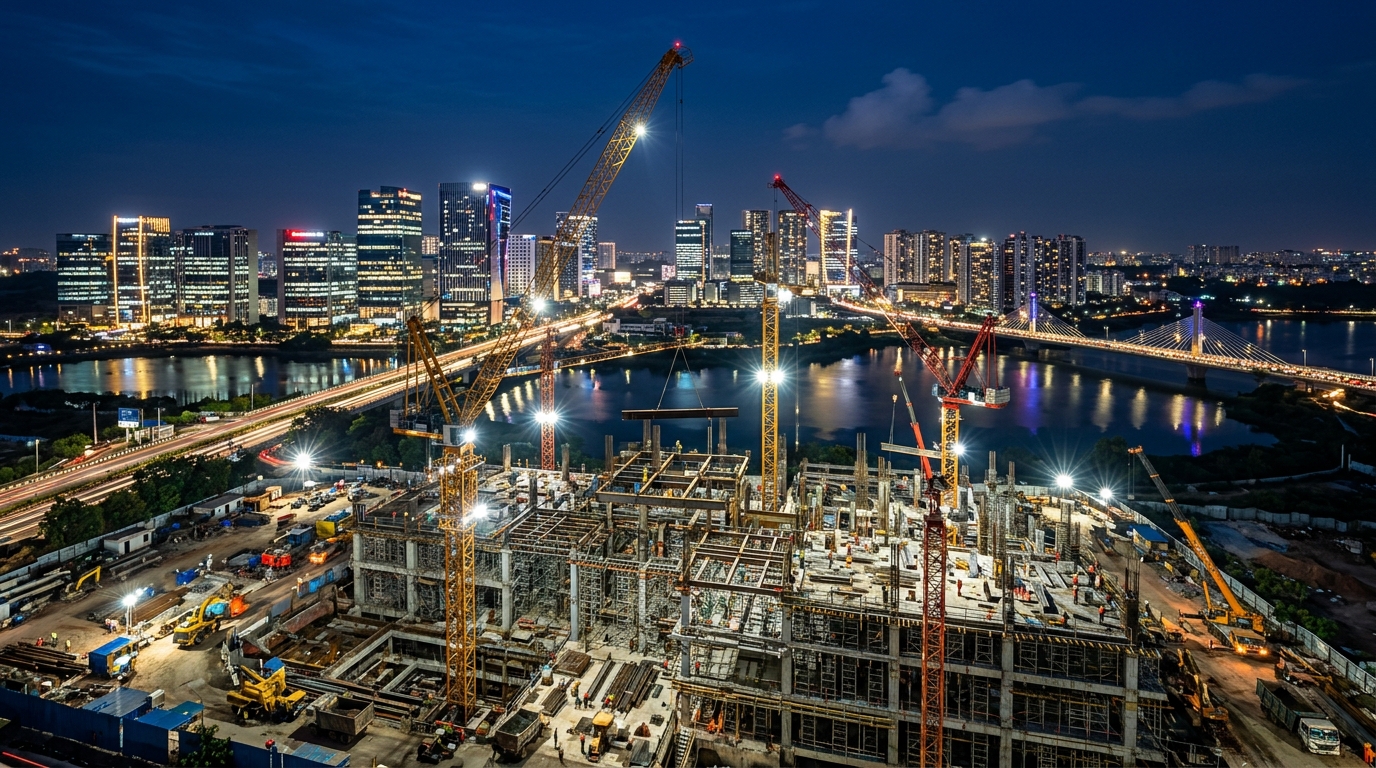
Unlocking Developer Potential: Beyond the Horizon
The FICCI Hyderabad 2035 conference has laid out a bold vision for the city's future, one heavily reliant on real estate development. For builders and landowners, this translates into a sustained demand for residential, commercial, and infrastructural projects. The projected population growth and economic expansion will necessitate a significant increase in housing stock and modern commercial spaces. Landowners in and around strategic growth corridors can anticipate increased land value and development potential. The focus on integrated townships and smart city concepts will also drive demand for well-planned communities, requiring developers to think holistically.
The key implication for developers is the need for long-term strategic planning. The conference highlights a future where Hyderabad is a hub for innovation, technology, and a growing population. This necessitates a proactive approach to land acquisition, project conceptualization, and phased development to capitalize on anticipated demand. Understanding the evolving needs of the end-user, from affordable housing to premium office spaces and sustainable living, will be paramount.
- Identify and secure land parcels in anticipated growth corridors.
- Diversify project portfolios to cater to a range of income groups and commercial needs.
- Collaborate with government and private entities for infrastructure development alongside housing projects.
Navigating the Construction Landscape: Trends, Approvals, and Supply
The Hyderabad 2035 roadmap implies a ramp-up in construction activity. Developers should anticipate a heightened focus on sustainable building practices, incorporating green technologies and energy-efficient designs. The demand for smart homes and intelligent office spaces will surge, pushing for innovation in construction materials and smart integration. Streamlined approval processes, a common theme in such forward-looking discussions, are crucial for timely project execution. Developers must stay abreast of any policy shifts aimed at accelerating clearances, while also building robust internal processes to manage the supply chain effectively.
The supply pipeline needs to be strategically managed to avoid bottlenecks. With increased development, the demand for construction labor, materials, and specialized construction equipment will intensify. Proactive partnerships with suppliers and a focus on modular construction techniques or pre-fabricated elements could offer a competitive edge and mitigate potential delays. A critical aspect will be ensuring a consistent and high-quality supply chain to meet the ambitious development targets.
- Invest in sustainable and green building technologies.
- Explore pre-fabricated and modular construction for faster project delivery.
- Develop contingency plans for material sourcing and labor availability.
- Engage with authorities to understand and leverage any proposed streamlining of approval processes.
Strategic Location Opportunities: Gachibowli, Kokapet, and the Financial District
The conference's focus on Hyderabad's growth directly impacts key micro-markets. Gachibowli, already a tech and business hub, is poised for further expansion, with sustained demand for residential complexes and modern commercial spaces. Developers with a presence here are well-positioned to benefit. Kokapet, with its planned infrastructure and proximity to established business districts, represents a prime area for premium residential and commercial development, attracting a discerning clientele.
The Financial District, a symbol of Hyderabad's economic prowess, will continue to attract corporate occupiers, driving demand for Grade A office spaces and integrated developments that include high-quality residential options. Landowners in these peripheral areas can expect increased interest from developers looking to establish a presence within these growth corridors. Understanding the specific development typologies favored by each of these zones will be crucial for targeted project development.
- Focus on mixed-use developments in Gachibowli to cater to IT professionals and their families.
- Target luxury residential and boutique office spaces in Kokapet.
- Develop premium commercial and integrated residential projects in the Financial District and its vicinity.
Navigating Risks and Execution Challenges
While the outlook is positive, developers must remain cognizant of inherent risks. Market volatility, economic downturns, and changes in regulatory policies are perennial concerns. The pace of infrastructure development might not always align with real estate development timelines, leading to potential execution delays and cost overruns. Furthermore, attracting and retaining skilled labor in a booming construction sector could become a significant challenge, impacting project quality and delivery schedules.
Competition will intensify as the Hyderabad market matures. Developers need to differentiate themselves through superior project design, amenities, and customer service. The supply-demand equilibrium, particularly in specific segments, needs constant monitoring. A potential supply-demand mismatch in certain categories could lead to price corrections. Effective risk mitigation strategies, including robust financial planning, comprehensive market research, and agile operational management, will be key to successful execution.
- Conduct thorough due diligence on land acquisitions and project feasibility.
- Implement robust financial planning with contingency buffers for unforeseen costs.
- Develop strong relationships with local communities and stakeholders.
- Continuously monitor market trends and competitor activities to adapt strategies.
Source: Deccan Chronicle