Delhi's Industrial Canvas: A New Palette for Growth and Living
Published: November 2026
From Factories to Future: The Dawn of Delhi's Redevelopment
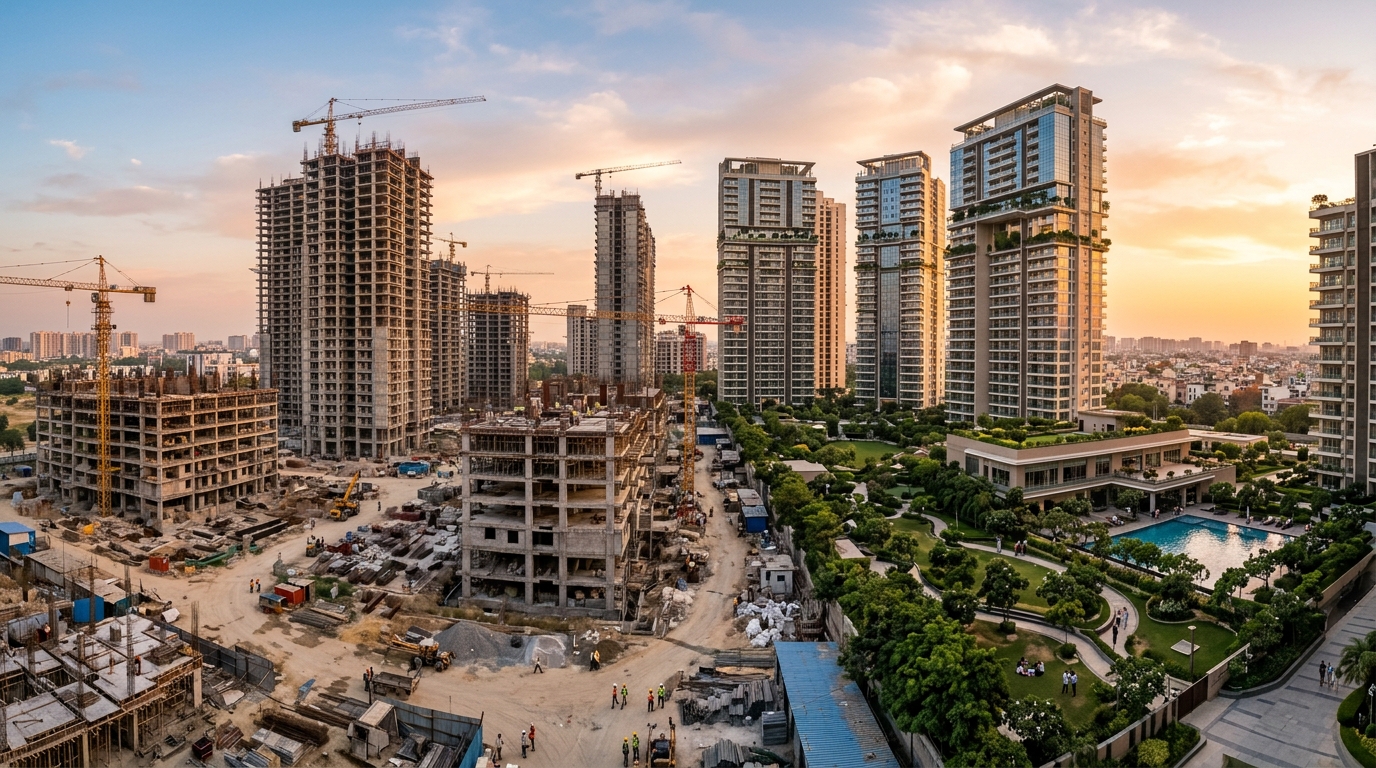
Imagine the hum of machinery replaced by the buzz of cafes and the laughter of families. This isn't a distant dream for Delhi; it's the tangible future being sculpted by a new policy. The Delhi government, through its Environment Minister, has signaled a significant shift, planning the redevelopment of industrial estates with a revolutionary boost in Floor Area Ratio (FAR) and a clear mandate for mixed-use development. This means more vertical growth and a fusion of commercial, residential, and recreational spaces within areas historically dedicated to manufacturing and industry.
For decades, these industrial pockets have been the backbone of Delhi's economy, but their aesthetic and functional limitations were increasingly apparent. Now, the policy aims to inject new life, allowing for taller buildings and a dynamic blend of living and working. This isn't just about adding more floor space; it's about reimagining urban living, creating self-sustaining micro-communities within the sprawling metropolis.
Ground-Level Ripples: Impact on Buyers, Investors, and Developers
The implications of this policy are far-reaching, sending ripples through the real estate ecosystem. For aspiring homeowners, particularly young professionals and families seeking affordable yet well-connected living options, these redeveloped areas could unlock new avenues. The promise of integrated townships with modern amenities, potentially at a more accessible price point than established prime locales, is a significant draw.
Investors are likely to view this as a prime opportunity. The increased FAR translates to higher development potential, promising attractive returns. Developers, on the other hand, face a complex but exciting challenge. They must navigate the nuances of mixed-use planning, ensuring seamless integration of diverse functionalities while adhering to environmental and urban planning norms. This is an invitation to innovate, to design spaces that cater to the evolving needs of urban dwellers, fostering a sense of community and convenience.
Buyers: Access to potentially more affordable, integrated housing options.
Investors: Lucrative prospects due to increased development potential and rising demand for mixed-use spaces.
Developers: Opportunities for innovative projects, requiring careful planning and execution of mixed-use concepts.
The Future Blueprint: Emerging Hotspots and a Vision for Urban Synergies
While the current focus is on Delhi's industrial zones, the spirit of this redevelopment echoes trends seen in other rapidly urbanizing Indian cities. Consider the trajectory of Hyderabad, where areas like Gachibowli and the Financial District have transformed from peripheral zones into bustling epicenters of IT, commercial activity, and premium residential development. This transformation was fueled by strategic infrastructure development and a vision for integrated urban planning. Delhi's industrial redevelopment policy taps into this very essence, creating vibrant, self-contained ecosystems.
The future outlook for Delhi is one of dynamic urban renewal. As these industrial estates shed their old skins, they will likely evolve into sought-after addresses, blending the best of commercial vibrancy with comfortable residential living. The success of this policy will hinge on thoughtful execution, ensuring that the increased density doesn't compromise quality of life but rather enhances it, creating a new paradigm for urban living in India's capital.
Source: ET Realty