Goa's 'Mhajo Flat' Scheme: A Game Changer for Unregistered Properties and Real Estate Developers
Published: November 2026
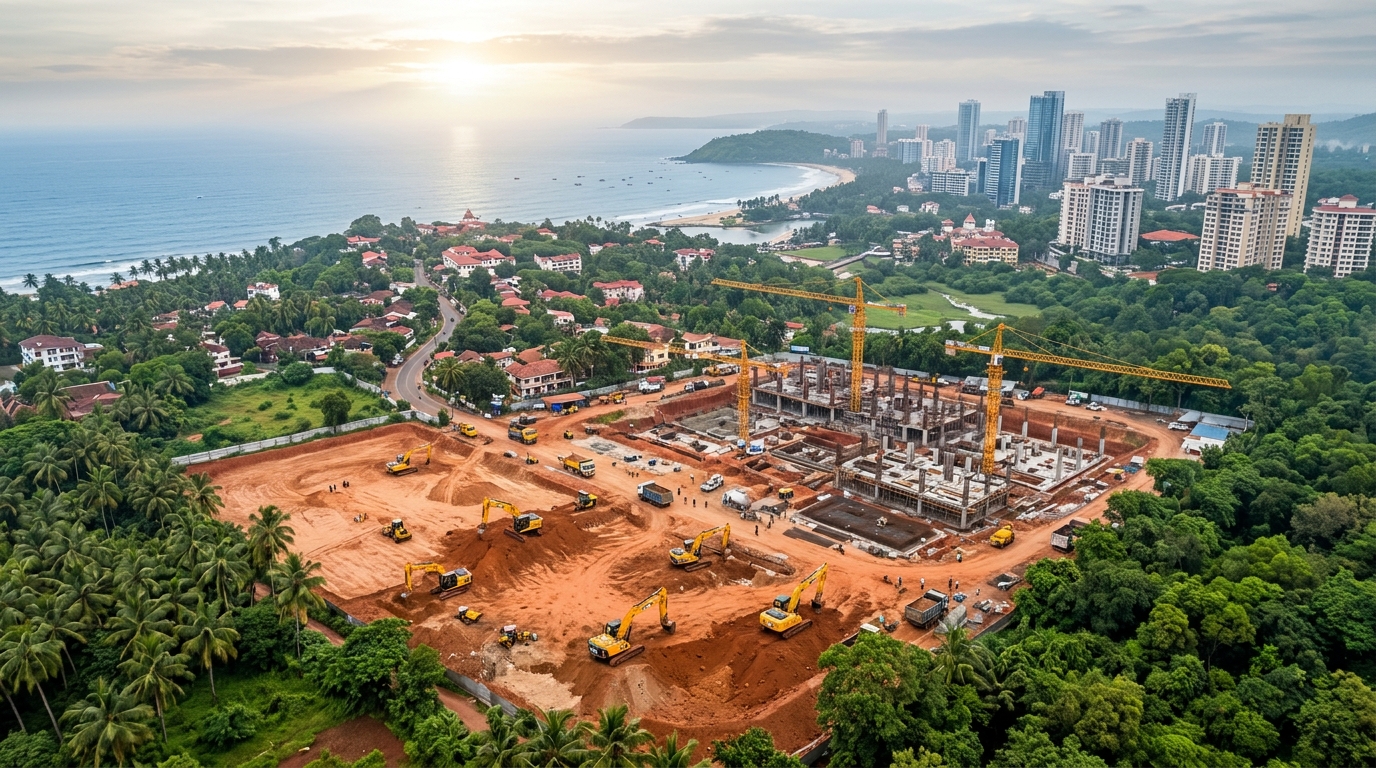
Understanding the 'Mhajo Flat' Scheme and its Implications
The recent launch of the 'Mhajo Flat' scheme by the Goa government is a pivotal moment for the state's real estate sector. This scheme aims to bring a substantial portion of unregistered properties into the formal fold, providing a much-needed regularization mechanism. For developers, this opens up new avenues for project development and expansion, as previously encumbered or legally ambiguous land parcels can now be considered for construction. Landowners with unregistered properties can also benefit immensely by gaining legal ownership and market value for their assets.
The primary impact of this scheme will be on unlocking potential development sites. Many existing structures and land parcels in Goa have remained unregistered due to various historical and procedural reasons. By offering a clear and defined process for regularization, the government is essentially de-risking these assets for developers. This could lead to a surge in the supply pipeline for both affordable and premium housing segments, catering to the growing demand in Goa's tourism and residential markets.
- Opportunity to acquire and develop previously unavailable land parcels.
- Increased legal certainty and reduced risk for new construction projects.
- Potential for higher property valuations for regularized assets.
Construction Trends, Approvals, and Supply Pipeline Dynamics
The 'Mhajo Flat' scheme is likely to influence construction trends by encouraging developers to focus on projects that leverage these regularized lands. We can expect a boost in construction activity, potentially leading to an increased demand for construction materials and skilled labor. The approval process for projects on these newly formalized lands might also become more streamlined, as the inherent legal complexities are addressed by the scheme. This could accelerate the pace of project execution.
From a supply perspective, this initiative is expected to significantly expand the available land bank for development. Developers who can effectively navigate the scheme's requirements will be well-positioned to tap into this newly accessible supply. This is particularly relevant for areas with high demand for housing and commercial spaces where land is already scarce. The scheme could help alleviate some of the supply-demand mismatch by bringing more developable land into the market.
- Accelerated approval timelines for projects on regularized lands.
- Increased demand for construction materials and labor.
- Potential to address supply-demand gaps in key Goan real estate micro-markets.
- Focus on diverse housing typologies to meet varied market needs.
Location-Specific Opportunities and Market Dynamics (Focus on Goa)
While the 'Mhajo Flat' scheme is a state-wide initiative, its impact will be felt most acutely in areas with a higher prevalence of unregistered properties. Coastal regions and established urban pockets within Goa are likely to see increased development activity. Developers should identify micro-markets where the scheme can unlock significant land availability, thereby creating opportunities for differentiated product offerings. This could include affordable housing projects in peri-urban areas or premium residential enclaves near popular tourist destinations.
The scheme's success will depend on its implementation and the active participation of property owners. Developers who can educate landowners about the benefits of the scheme and facilitate the regularization process will gain a competitive advantage. Analyzing the specific types of unregistered properties prevalent in different Goan regions will be crucial for tailoring development strategies. This could also lead to a renewed focus on redevelopment of existing, older structures that might fall under the unregistered category.
- Targeting coastal and urban areas with high unregistered property density.
- Developing affordable housing solutions on newly available land.
- Exploring opportunities for premium residential and vacation home projects.
- Partnering with landowners to streamline the regularization process.
Risks, Execution Challenges, and Strategic Considerations
Despite the promising nature of the 'Mhajo Flat' scheme, developers must remain aware of potential risks and execution challenges. The success of regularization hinges on the clarity and efficiency of the government's processes. Any bureaucratic hurdles or delays in the approval and regularization framework could impede progress. Furthermore, ensuring due diligence on the legal status and clear title of properties, even after regularization, will remain paramount.
Another key challenge will be the 'unknowns' associated with the actual condition of these properties. Some unregistered properties might require extensive groundwork or remediation before development can commence. Developers need to factor in these potential costs and timelines into their project planning. Building strong relationships with local authorities and legal experts will be essential to navigate these complexities effectively. A phased approach, starting with pilot projects on well-vetted properties, might be a prudent strategy for initial market entry under this scheme.
- Navigating potential bureaucratic delays in the regularization process.
- Thorough due diligence on property titles and legal clarity post-regularization.
- Assessing and budgeting for potential remediation and groundwork costs.
- Importance of local expertise and strong government liaison for smooth execution.
Source: ET Realty