The Flexible Workspace Boom: Unlocking Opportunities for Developers and Landowners
Published: August 2026
The Shifting Sands of Commercial Real Estate Demand
The recent surge of 68% in flexible workspace leasing for H1 2026, as reported by Hindustan Times, is not merely a statistic; it's a clear indicator of evolving tenant needs and a robust opportunity for real estate stakeholders. This trend suggests a fundamental recalibration of how businesses approach office space, prioritizing agility, cost-efficiency, and employee well-being over traditional long-term leases. For developers and landowners, this presents a compelling case to pivot or expand their offerings towards flexible and managed workspace solutions.
This demand surge creates a significant window for developers to capitalize on a growing market segment. Landowners with strategically located parcels, especially near established business hubs or in emerging growth corridors, can command premium values by partnering with or developing flexible office spaces. The emphasis is now on creating adaptable environments that can cater to diverse business models, from startups and SMEs to large corporations seeking satellite offices or project-specific spaces.
Construction Trends, Approvals, and the Supply Pipeline
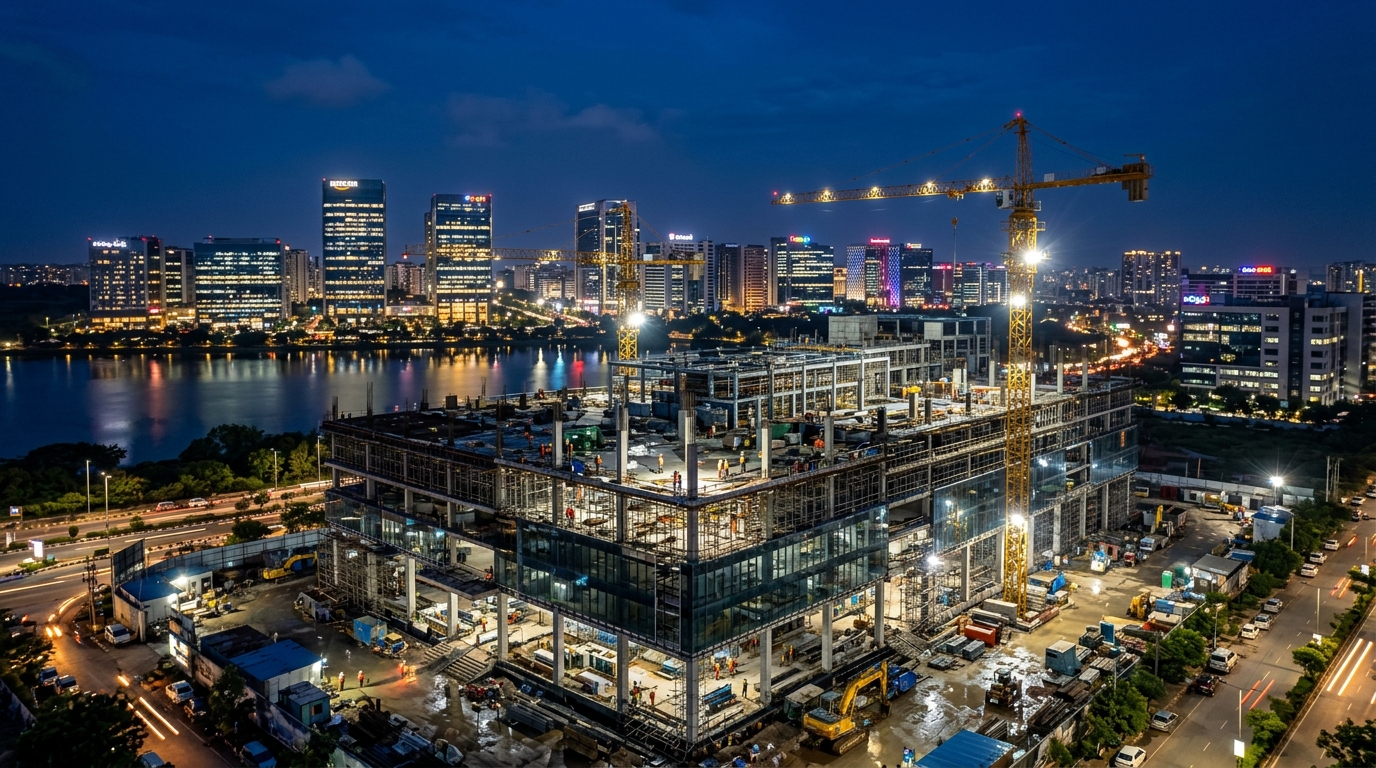
The burgeoning demand for flexible workspaces necessitates a faster and more adaptable construction approach. Developers should anticipate a need for modular construction, phased development, and the integration of smart technologies to facilitate quick build-outs and tenant fit-outs. The focus will be on creating high-quality, amenity-rich spaces that offer more than just desks, think collaborative zones, breakout areas, wellness facilities, and robust technological infrastructure. This requires a proactive approach to securing a skilled labor force and managing material procurement efficiently to avoid delays and cost overruns.
Navigating the approval process for flexible workspace projects will be key. Developers need to be aware of zoning regulations, building codes, and any specific permits required for co-working or managed office spaces. Building strong relationships with local authorities and understanding their evolving perspectives on commercial zoning will be crucial. The supply pipeline needs to be carefully monitored. While demand is high, oversupply in specific micro-markets or a lack of differentiated offerings could lead to saturation. A strategic approach to project phasing and market analysis is essential to avoid a supply-demand mismatch that could impact rental yields and occupancy rates.
Embrace modular and agile construction methods.
Integrate smart building technologies for enhanced functionality and tenant experience.
Prioritize amenity-rich spaces that foster collaboration and well-being.
Proactively engage with local authorities for streamlined approvals.
Monitor supply pipeline to avoid market saturation.
Location-Specific Opportunities: Hyderabad's Ascendance
Bengaluru, Hyderabad, and Mumbai are leading this flexible workspace surge. Within Hyderabad, the growth corridors of Gachibowli, the Financial District, and emerging areas like Kokapet are particularly attractive. These locations are already established IT and business hubs, attracting a concentration of talent and companies that are prime candidates for flexible office solutions. Developers with land in or near these zones have a distinct advantage.
Gachibowli, with its existing IT infrastructure and a young, dynamic workforce, is a natural fit for flexible workspaces. The Financial District, synonymous with corporate headquarters and financial services, presents an opportunity for premium, executive-style flexible offices. Kokapet, as an emerging growth area, offers potential for larger-scale developments and the creation of integrated work-live-play environments. The key is to tailor the offerings to the specific needs and company profiles prevalent in these micro-markets, whether it's tech-focused startups in Gachibowli or established corporates in the Financial District.
Risks and Execution Challenges
Despite the promising outlook, developers must be cognizant of the inherent risks and execution challenges. The flexible workspace model is sensitive to economic downturns, as businesses may scale down their flexible space needs more rapidly than traditional leases. Maintaining high occupancy rates requires continuous marketing efforts, agile pricing strategies, and a superior tenant experience.
Execution challenges include managing the operational complexities of running a flexible workspace, such as IT support, cleaning, maintenance, and community building. Developers might consider partnering with experienced flexible workspace operators to leverage their expertise. Furthermore, competition is likely to intensify as the market matures, necessitating differentiation through unique offerings, prime locations, and exceptional service. Ensuring the financial viability of these projects requires robust financial modeling that accounts for variable occupancy rates and operational costs. A diligent approach to market research, competitive analysis, and risk mitigation is paramount for success.
Source: Hindustan Times