Retail Leasing Surge Signals Opportunities for Builders: Decoding the Q3 Boom
Published: October 2026
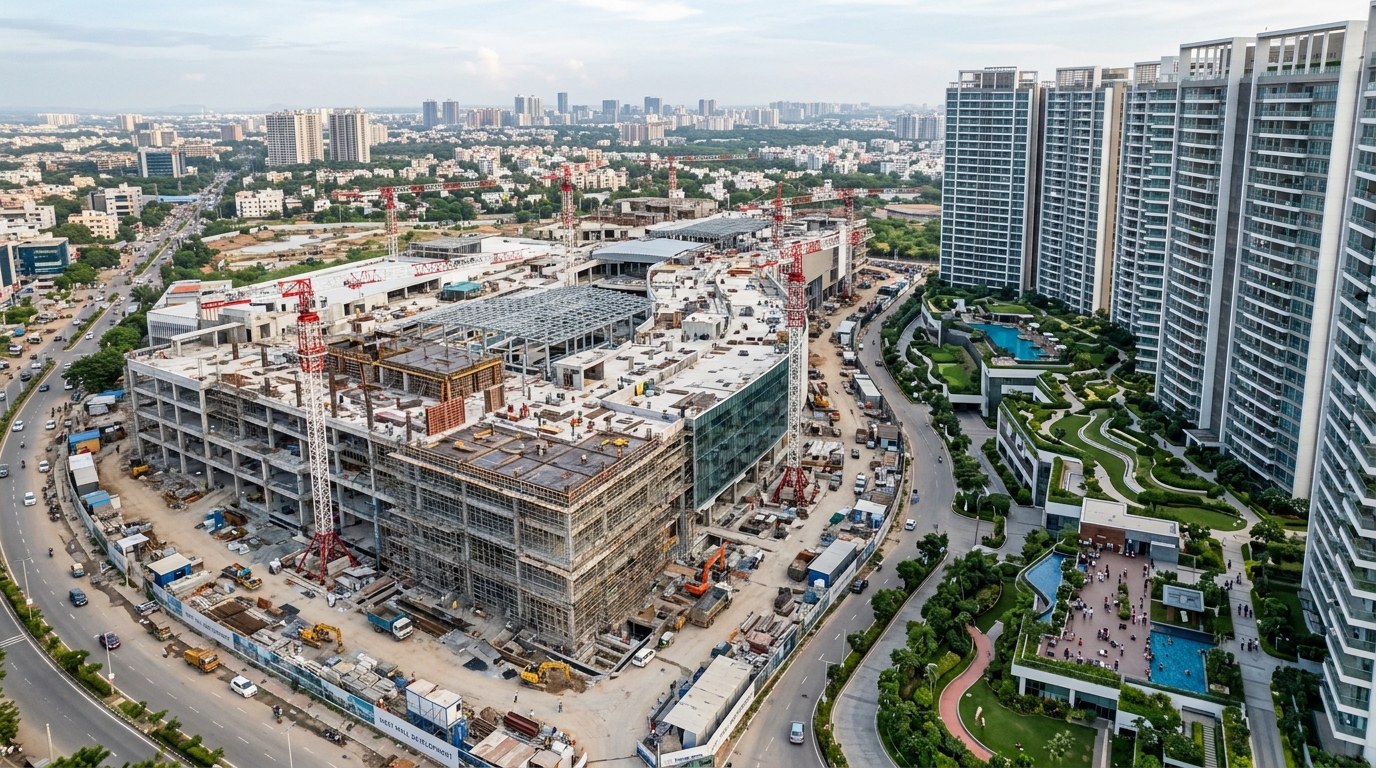
The Shifting Sands of Retail Demand: What it Means for Developers
The Q3 retail leasing figures, hitting 2.22 MSF, are not just a statistic; they are a strong indicator of renewed consumer confidence and evolving shopping habits. For builders and landowners, this translates into a tangible demand for well-located, modern retail spaces. The falling mall vacancy rates across India, with a notable dip, suggest that existing inventory is being absorbed, creating a fertile ground for new developments or redevelopments. This is a clear signal to assess land parcels in high-footfall areas and explore the potential for well-curated retail destinations that cater to current market trends.
Landowners with strategic plots in or around key urban centers should view this as an opportune moment to engage with developers. The increased leasing activity implies that tenants are actively seeking spaces, potentially driving up rental values and making development projects more financially attractive. For builders, it's a call to action to refine their project pipelines, focusing on formats that resonate with the current demand, think experiential retail, mixed-use developments, or well-integrated community centers that offer more than just traditional shopping.
Identify prime locations with proven retail footfall.
Explore mixed-use development opportunities to capture diverse demand.
Engage with potential tenants early in the planning process.
Consider retrofitting or redeveloping underutilized retail assets.
Construction Trends and the Supply Pipeline: Navigating the Growth
The current retail leasing momentum necessitates a proactive approach to construction and approvals. Builders need to anticipate increased demand for construction materials and labor. The ability to efficiently navigate the approval processes will be critical in bringing new projects to market swiftly to capitalize on the leasing surge. Developers with streamlined construction methodologies and established relationships with suppliers will have a distinct advantage. A potential supply-demand mismatch could emerge if construction timelines are not optimized, leading to increased competition for available spaces and potentially higher construction costs.
The focus should be on developing flexible and adaptable retail spaces that can cater to a variety of tenant needs. This might involve modular designs, smart building technologies, and sustainable construction practices. The 'supply pipeline' refers not just to new buildings, but also to the efficient delivery of projects. Developers who can demonstrate a track record of timely and quality delivery will be favored by both tenants and investors in this dynamic market.
Invest in efficient construction technologies and project management.
Secure material supply chains and labor resources proactively.
Expedite regulatory approvals through diligent planning and engagement.
Embrace sustainable and flexible design principles for future-proofing.
Hyderabad's Retail Renaissance: Gachibowli, Kokapet, and the Financial District
Hyderabad, leading the demand surge, presents a particularly exciting landscape for developers. Areas like Gachibowli, Kokapet, and the Financial District are already established as business hubs with significant captive audiences. The growth in these localities, fueled by IT and financial services, naturally extends to retail. Developers looking to tap into this specific market should consider retail components within mixed-use developments that cater to the affluent and professional demographics residing or working in these areas.
The demand for retail spaces in Hyderabad is likely driven by the influx of talent and the corresponding increase in disposable income. This creates a strong case for developing premium retail outlets, dining destinations, and entertainment zones that complement the existing urban infrastructure. Builders and landowners in these specific Hyderabad micro-markets have a direct opportunity to align their offerings with the reported leasing trends, potentially commanding premium rentals and occupancies.
Focus on experiential retail and F&B in Hyderabad's growth corridors.
Develop integrated retail spaces within commercial and residential projects.
Analyze consumer demographics in Gachibowli, Kokapet, and the Financial District.
Leverage the IT and financial sector workforce for retail demand.
Execution Challenges and Risk Mitigation for Builders
Despite the positive outlook, developers must remain vigilant about execution challenges. The current market, while buoyant, can present risks such as rising construction costs, potential delays in approvals, and intensified competition for prime land parcels. A thorough understanding of local market dynamics and tenant preferences is crucial to avoid oversupply in niche segments or misaligned project offerings. Developers should also factor in potential economic slowdowns and adapt their strategies accordingly.
Mitigating these risks involves robust financial planning, diversified project portfolios, and strong tenant engagement strategies. Building relationships with reliable contractors and suppliers, and adopting flexible leasing models can also help navigate uncertainties. For landowners, careful due diligence on developer credentials and project feasibility is paramount. The key to success lies in disciplined execution, market responsiveness, and a clear understanding of the evolving retail landscape.
Conduct thorough feasibility studies and market analysis.
Secure financing and manage cash flow effectively.
Diversify retail offerings to cater to various segments.
Stay updated on regulatory changes and economic indicators.
Source: News18