The AI Gold Rush: Fueling Premium Real Estate Demand in Hyderabad's Tech Corridors
Published: August 2026
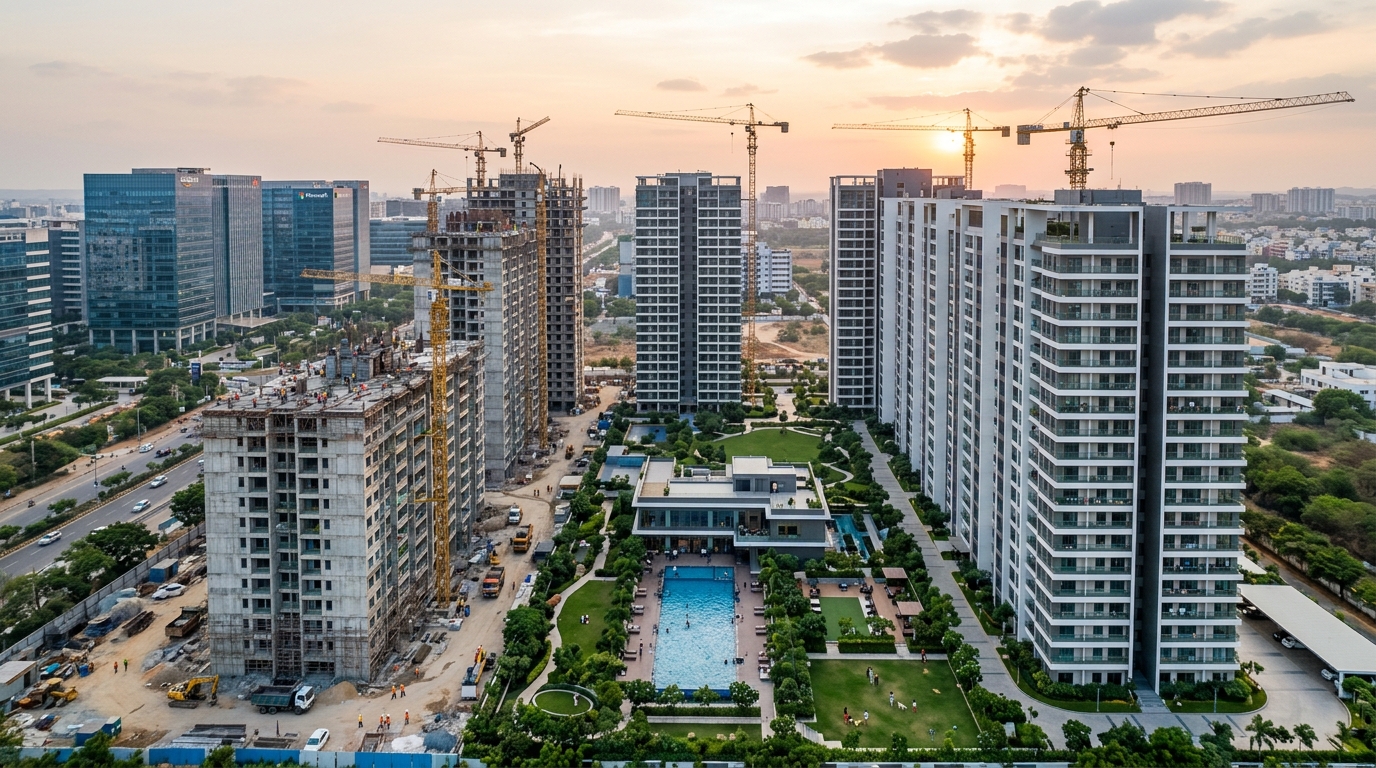
A New Class of Buyer Emerges
The recent news of Nvidia employees investing in ultra-luxury apartments, such as those in Trump Towers, signifies a significant shift in the buyer demographic in Hyderabad. The 'AI gold rush' has generated substantial disposable income among tech professionals, creating a demand for premium, high-end real estate that was previously underserved. This is not just about acquiring a home; it's about signaling success and investing in assets that match their elevated financial status. For developers, this means a potential new target market with a higher purchasing power and specific expectations.
This phenomenon presents a golden opportunity for builders and landowners in Hyderabad's burgeoning tech corridors. The influx of wealth from successful tech companies translates directly into an increased appetite for luxury living. Landowners in strategic locations like Gachibowli, Kokapet, and the Financial District can now command premium prices for their parcels, as developers vie to tap into this lucrative market. The challenge will be in acquiring land at a price that still allows for profitable development given the high construction and amenity costs associated with luxury projects.
Construction Trends, Approvals, and Supply Pipeline
The demand for ultra-luxury properties necessitates a focus on superior construction quality, innovative designs, and world-class amenities. Developers should anticipate a need for higher specifications, including advanced smart home technology, sustainable building practices, and bespoke interior finishes. The approval process for such high-end projects might involve more rigorous scrutiny, especially regarding adherence to luxury standards and environmental clearances.
The current supply pipeline in Hyderabad, while robust in the mid-segment, may be lacking in the ultra-luxury category. This creates a potential supply-demand mismatch. Developers need to act swiftly to identify prime locations and initiate projects that cater to this niche. However, the long gestation periods for high-rise luxury developments, coupled with the need for specialized construction expertise and high-quality materials, pose significant execution challenges. Ensuring a consistent and reliable supply chain for premium materials and skilled labor will be crucial for timely delivery and maintaining quality standards.
- Elevated construction standards and materials.
- Emphasis on smart home technology and sustainability.
- Potential for longer approval cycles due to luxury specifications.
- Need for specialized construction teams and expertise.
Location-Specific Opportunities and Execution Challenges
Hyderabad's technology and financial hubs, particularly Gachibowli, Kokapet, and the Financial District, are prime beneficiaries of this AI-driven wealth. These areas already boast a concentration of tech giants and a well-developed infrastructure, making them highly attractive to affluent professionals. Developers should focus on projects within or adjacent to these micro-markets, offering exclusivity and convenience.
However, the high cost of land in these prime locations is a significant hurdle. Developers must carefully balance land acquisition costs with the potential for premium pricing. Execution challenges include managing complex construction logistics in densely populated or developing areas, ensuring timely project completion to avoid client dissatisfaction, and navigating the competitive landscape. Furthermore, maintaining the exclusivity and perceived value of these luxury properties will require impeccable branding, marketing, and after-sales service. The risk lies in misjudging the depth and sustainability of this ultra-luxury demand, or in failing to deliver on the promised lifestyle and quality, which can lead to reputational damage and financial losses.
- Focus on Gachibowli, Kokapet, and Financial District for high-net-worth individuals.
- High land acquisition costs are a major challenge.
- Logistical complexities in prime, developing areas.
- Risk of oversupply if demand is overestimated or market shifts.
Source: WION