TGRERA's Stance: A Wake-Up Call for Developers on Pre-Registration Collections in Hyderabad
Published: June 2026
Implications for Builders and Landowners: Navigating the Regulatory Maze
The TGRERA's order to R Homes underscores the critical importance of adhering to RERA guidelines, particularly concerning the timing of payment collection. For builders, this serves as a stark reminder that collecting money from buyers before a project is duly registered with RERA is not only illegal but also invites severe penalties and reputational damage. This strict enforcement means developers must meticulously plan their financial inflows, aligning them with project registration milestones. For landowners who partner with developers, this reinforces the need for due diligence on their partners' compliance practices, as any violation by the developer can indirectly impact the project's reputation and future sales.
The directive also highlights a potential shift in buyer sentiment. Consumers are becoming more aware of their rights and regulatory protections. Developers who bypass established norms risk alienating potential buyers and facing increased scrutiny. Proactive compliance and transparent dealings will be paramount in building trust and ensuring a smooth sales process. This could lead to a more disciplined approach to land acquisition and development, with a greater emphasis on securing all necessary approvals before initiating sales.
- Strict adherence to RERA registration timelines for sales commencement.
- Enhanced due diligence on developer partners by landowners.
- Prioritizing transparency in all financial transactions with buyers.
- Building buyer trust through demonstrable compliance with regulations.
Construction Trends, Approvals, and Supply Pipeline: The Ripple Effect
The RERA pre-registration collection ban directly impacts the construction pipeline. Developers often rely on early sales proceeds to fund construction. With this avenue restricted, builders will need to secure alternative financing or adjust their project phasing to manage cash flow. This could potentially slow down the pace of new project launches and construction commencement, especially for smaller developers with limited access to capital. The approval process, which is already a complex undertaking, now carries an even greater weight as it dictates the permissible start of sales activities. A streamlined and efficient approval process from regulatory bodies becomes even more crucial for maintaining project momentum.
This regulatory scrutiny could also lead to a more measured approach to land acquisition and inventory management. Developers might opt for projects with clearer approval pathways and a more predictable supply chain to mitigate risks associated with prolonged pre-construction phases. The focus will likely shift towards projects that can demonstrate a clear path to registration and, subsequently, to sales, thereby ensuring a sustainable supply chain that is not overly reliant on early capital infusion from buyers.
- Increased reliance on pre-construction financing or adjusted project phasing.
- Greater emphasis on efficient and timely project approvals.
- Potential slowdown in new project launches due to funding challenges.
- Shift towards projects with predictable approval and registration timelines.
Hyderabad's Growth Corridors: Opportunity Amidst Scrutiny
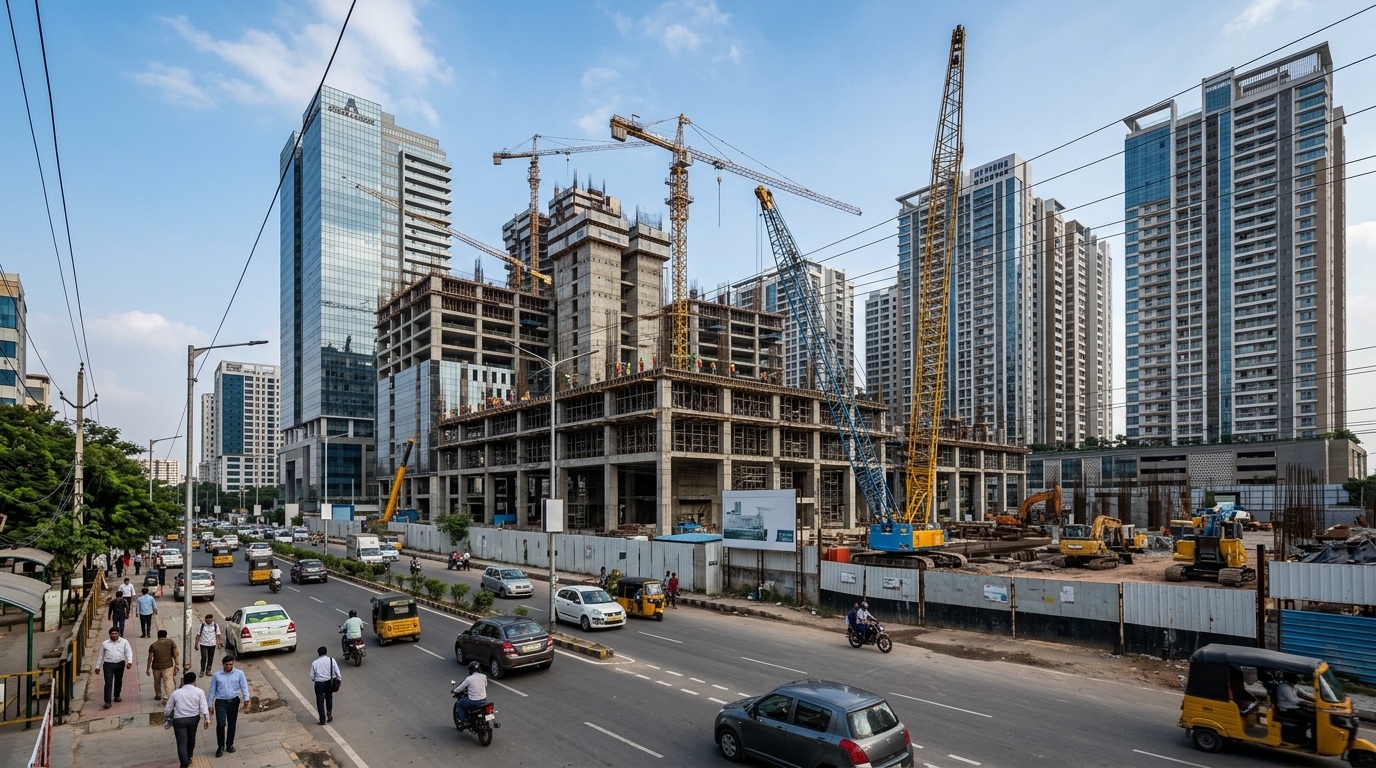
Hyderabad, with its burgeoning IT sector and growing population, continues to present significant real estate opportunities, particularly in areas like Gachibowli, Kokapet, and the Financial District. However, the TGRERA's directive means that developers operating in these prime locations must be even more vigilant about regulatory compliance. The high demand in these micro-markets might tempt some developers to push the boundaries, but the consequences of non-compliance are now more pronounced. Projects in these areas that are RERA-compliant from the outset will command a premium in buyer trust and market perception.
The supply-demand mismatch in Hyderabad, especially in well-connected and amenity-rich areas, remains a critical factor. However, this TGRERA order could create a bifurcated market. Developers who prioritize compliance and ethical practices will likely attract genuine buyers and investors, even if it means a slightly longer gestation period for sales. Conversely, those who attempt to circumvent regulations might face significant headwinds. The opportunity lies in building projects that not only meet the demand but also adhere strictly to the legal framework, thus offering a secure investment for buyers.
- High demand in Gachibowli, Kokapet, and Financial District necessitates RERA adherence.
- Compliance as a key differentiator for projects in competitive markets.
- Potential for a bifurcated market favouring compliant developers.
- Opportunity to build trust and secure sales through transparent, legal practices.
Risks and Execution Challenges: A New Era of Compliance
The primary risk for developers now lies in financial mismanagement and execution delays stemming from an inability to raise capital as per the old model. Projects could stall if funding is not secured upfront or if the approval process becomes protracted, leading to increased holding costs and a loss of market momentum. The execution challenge is to adapt business models to a more regulated environment, potentially requiring stronger financial backing or strategic partnerships. Building a robust compliance team and ensuring all internal processes are aligned with RERA mandates will be crucial.
Furthermore, reputational risk is a significant challenge. A single violation can lead to a loss of credibility that is difficult to regain. Developers must invest in training their sales and legal teams to ensure a thorough understanding and implementation of RERA regulations. The long-term success of any real estate venture in Hyderabad now hinges not just on market acumen and construction quality, but also on unwavering commitment to legal and ethical standards. This shift demands a proactive and transparent approach to project development and sales, transforming how business is conducted in the sector.
- Financial risks due to restricted early sales proceeds.
- Execution challenges in adapting to a more regulated sales cycle.
- Reputational damage from non-compliance.
- Need for robust internal compliance teams and processes.
- Investment in training for sales and legal personnel on RERA.
Source: NewsMeter