Q2 2026 Real Estate Boom: Navigating Growth in India's Top Cities
Published: June 2026
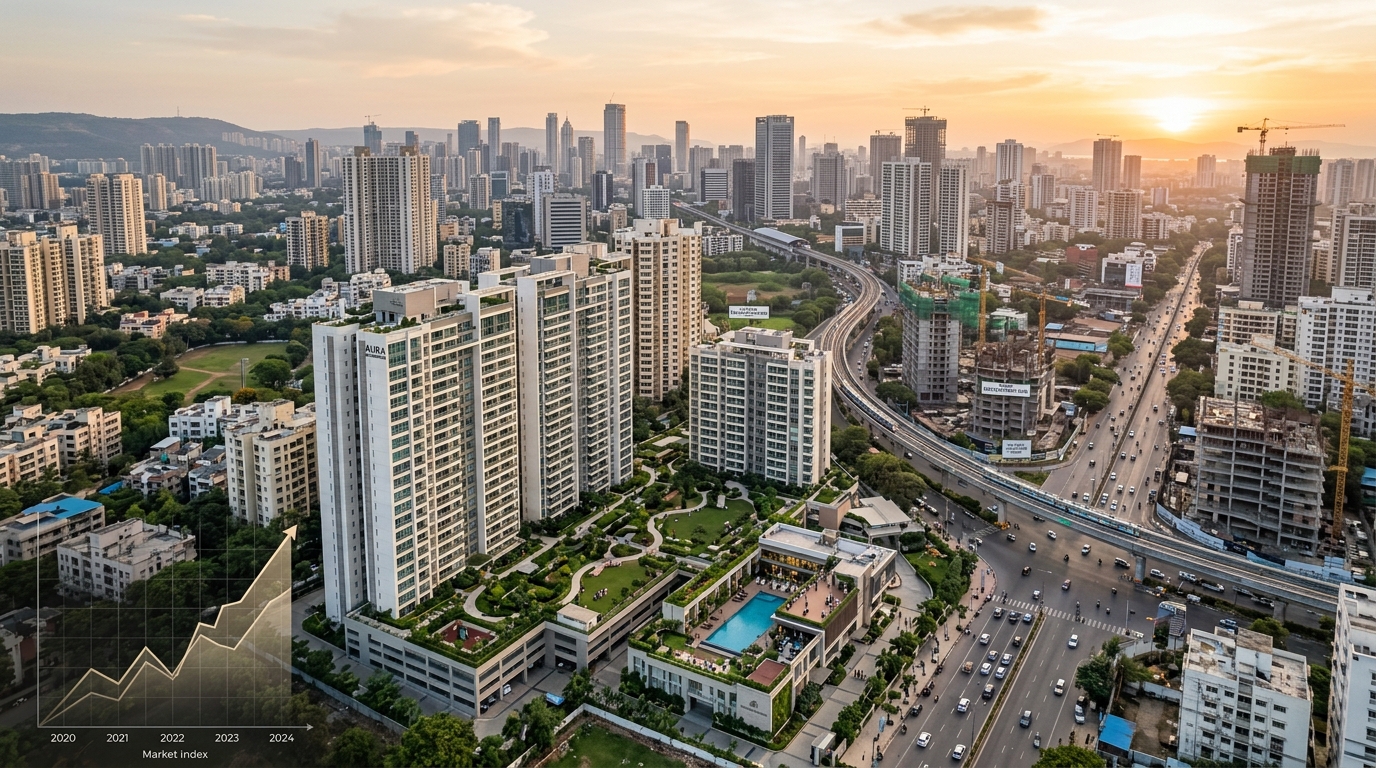
Surge in Housing Demand: A 19% Jump in Q2 2026
The Indian real estate market has witnessed a remarkable resurgence, with a substantial 19% year-on-year increase in housing sales across the top 9 cities during the second quarter of 2026. This significant uplift points to a robust recovery in buyer sentiment and a healthy demand-supply balance, particularly in established urban centers. The report highlights that this growth is not uniform, with specific cities demonstrating exceptional performance, suggesting localized economic drivers and investment appeal.
The consistent upward trend in sales volume indicates a strengthening of underlying demand, likely fueled by a combination of factors including favorable economic conditions, increased disposable incomes, and a growing preference for homeownership. For developers, this translates to accelerated inventory turnover and potential for price appreciation, while for buyers, it signifies a dynamic market where opportunities may be more abundant, albeit with potentially rising prices in high-growth corridors.
Hyderabad, Navi Mumbai, and Chennai: Leading the Growth Wave
Navi Mumbai, Chennai, and Hyderabad have emerged as the frontrunners in this Q2 2026 real estate boom, registering the highest growth rates in housing sales. This exceptional performance underscores their individual strengths and attractiveness to both end-users and investors. For Hyderabad, this growth is particularly noteworthy, especially in its emerging peripheral areas and established IT hubs, reflecting a sustained influx of talent and corporate investment.
The report's emphasis on these specific cities suggests a deepening of demand in markets that have successfully cultivated robust employment ecosystems and infrastructure development. Navi Mumbai's strategic location and planned development, Chennai's industrial and IT prowess, and Hyderabad's thriving technology and life sciences sectors likely contribute to sustained housing demand. Investors would do well to closely monitor these markets for targeted opportunities, considering their proven growth trajectory.
Institutional Investor Perspective and Capital Flows
The 19% surge in housing sales is a strong signal for institutional investors, indicating a maturing market with increasing liquidity and potential for attractive returns. This broad-based growth, coupled with the stellar performance of cities like Hyderabad, is likely to attract renewed institutional capital. Funds that have been cautiously deploying capital are now more likely to increase their exposure, seeking opportunities in established residential corridors and upcoming growth pockets.
The demand for quality housing in these top-tier cities will likely drive investments into developers with strong execution capabilities and a clear understanding of evolving buyer preferences. We anticipate a greater focus on projects that offer a blend of modern amenities, strategic location, and sustainable living. Furthermore, the growth in sales volume suggests a positive outlook for commercial and retail real estate within these thriving urban ecosystems, potentially creating a virtuous cycle of investment across different asset classes.
- Increased appetite for residential projects in Tier 1 and emerging Tier 2 cities.
- Focus on developers with robust financial health and track record.
- Potential for increased Foreign Direct Investment (FDI) in the real estate sector.
- Growth in demand for co-living and integrated township developments.
Micro-Market Deep Dive: Hyderabad's Real Estate Dynamics
Hyderabad's exceptional growth in housing sales warrants a closer examination of its micro-markets. Areas like Gachibowli, Kokapet, and the Financial District are likely to be experiencing significant demand pressures due to their established status as IT and business hubs. The influx of both domestic and international companies into these zones creates a consistent demand for housing from professionals, driving sales and potentially leading to rental yield appreciation.
The sustained development of infrastructure and the presence of premium residential projects in these specific micro-markets are crucial factors. Investors should analyze the specific absorption rates, pricing trends, and future development pipelines within these pockets. The ability of these micro-markets to absorb new supply while maintaining healthy sales velocity will be a key indicator of their long-term investment potential and resilience.
Policy and Regulatory Environment
While the news report does not explicitly detail policy changes, sustained growth in housing sales often benefits from a stable and supportive regulatory environment. Government initiatives aimed at boosting housing affordability, streamlining approvals, and promoting sustainable development can act as significant catalysts. For instance, any recent policy shifts facilitating easier home loan access or incentivizing developers to build affordable housing could be indirectly contributing to this sales surge.
Investors and developers closely monitor policy developments, as they can significantly impact market sentiment, project viability, and overall capital flow. A transparent and predictable regulatory framework reduces risk and encourages long-term investment. The continued economic growth underpinning this sales increase also implies a generally positive business environment, which is conducive to real estate investments.
Source: Hindustan Times