Telangana Real Estate: Navigating the Slump and Unlocking Future Opportunities for Developers
Published: April 2026
Decoding the Slump: Impact on Builders and Landowners
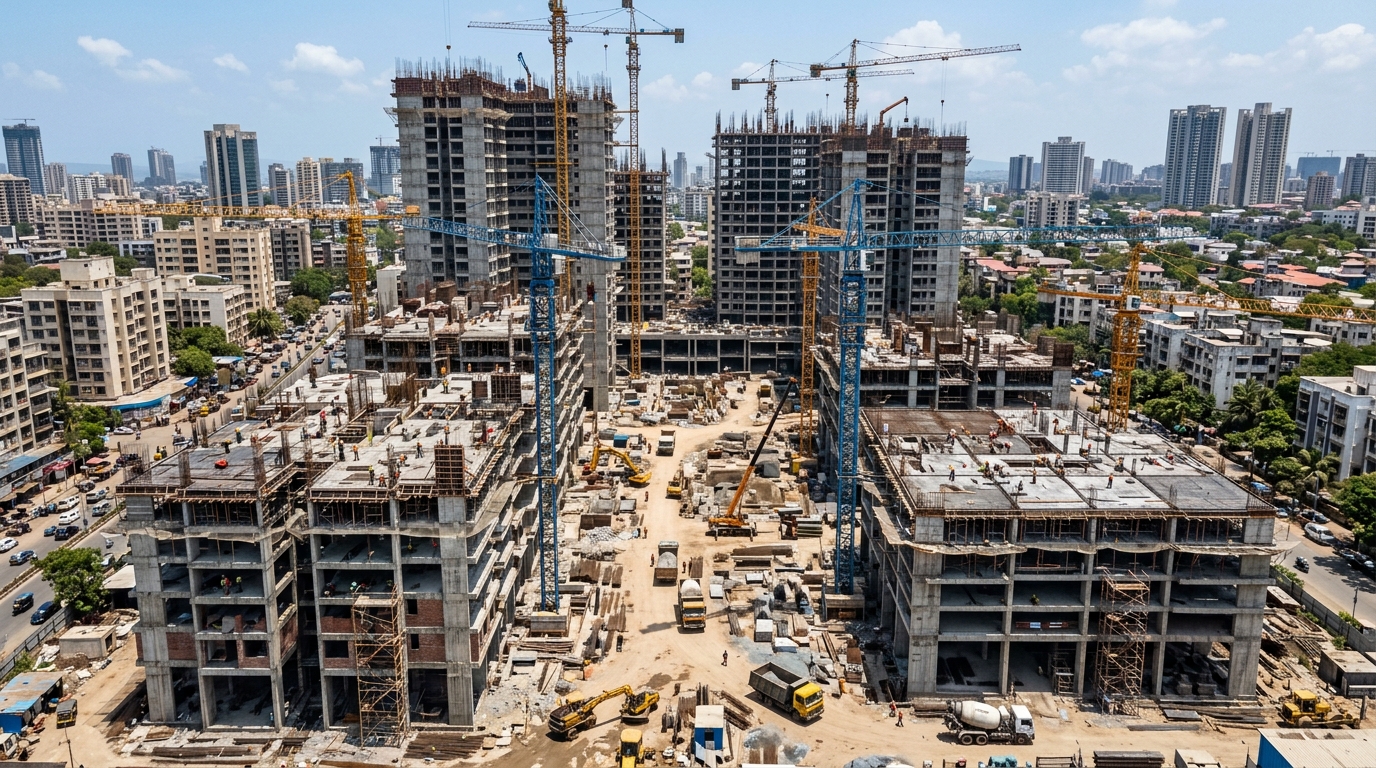
The decline in registration revenue in Telangana is a clear indicator of reduced transaction volumes and a softening market. For builders, this translates to slower sales cycles, potentially increased inventory holding periods, and pressure on profit margins. Projects that were on the drawing board might face delays or need a complete re-evaluation of their business case. Landowners, too, will likely experience a plateau or even a decline in land values as demand from developers wanes. The immediate focus for developers needs to shift from rapid expansion to consolidating existing projects and optimizing sales strategies.
However, this slowdown isn't necessarily a death knell. It presents an opportunity for well-capitalized developers with strong balance sheets to acquire land at more attractive valuations or to gain a competitive edge by continuing to deliver quality projects. The key lies in understanding the underlying causes of the slump and adapting.
- Builders: Expect longer sales cycles, increased inventory risk, and margin pressure.
- Landowners: Potential stagnation or decrease in land values, reduced developer interest.
- Strategic Advantage: Opportunity for well-positioned developers to acquire land at better prices.
Construction Trends, Approvals, and the Supply Pipeline
The registration revenue drop suggests a potential tightening of the construction pipeline. Developers might be re-evaluating new project launches, leading to a slowdown in the approval process for new constructions. This could indirectly benefit ongoing projects by reducing future competition. However, the existing supply pipeline remains a crucial factor. If there's a significant overhang of unsold inventory, especially in specific segments or locations, the slump could persist longer.
Developers must carefully assess the current supply-demand dynamics in their target micro-markets. A prudent approach would involve focusing on completing existing projects efficiently and exploring demand for niche segments like affordable housing or premium villas with unique value propositions. The trend may also see a shift towards more phased developments and a reduced reliance on immediate pre-sales for funding new ventures.
- Reduced new project approvals expected.
- Focus on efficient completion of existing inventory.
- Assess existing supply overhang and its impact.
- Explore niche market segments and phased development.
Micro-Market Dynamics: Hyderabad's Golden Corridors Under Scrutiny
While the entire state is affected, prime micro-markets like Hyderabad, Gachibowli, Kokapet, and the Financial District are often more resilient due to inherent demand drivers. However, even these areas are not immune. A slowdown in registrations here could indicate a broader economic sentiment or saturation in certain luxury segments. Developers operating in these premium locations need to understand if the current slump is a temporary blip or a signal of a more fundamental shift in buyer sentiment.
Gachibowli and the Financial District, driven by IT and BFSI growth, typically exhibit robust demand. If registrations are falling here, it warrants a deeper dive into factors beyond just market sentiment. Kokapet, known for its large-scale integrated developments, might see a temporary pause in off-take. However, these areas are likely to recover faster due to continued infrastructure development and job creation. Developers should focus on differentiation and value-added amenities to capture demand when the market rebounds.
- Hyderabad's prime markets (Gachibowli, Kokapet, Financial District) are not exempt.
- Investigate specific demand drivers and potential saturation in luxury segments.
- Gachibowli/Financial District: Resilience expected due to IT/BFSI growth.
- Kokapet: Focus on integrated development and unique value propositions.
Navigating Risks and Execution Challenges
The current market scenario presents several risks for developers. Financial strain due to slower sales, increased borrowing costs, and potential cost escalations in construction materials are primary concerns. Execution challenges will arise from potential labor availability issues if projects are scaled back significantly, and a more demanding buyer base that scrutinizes value and quality more closely. Ensuring transparency and timely delivery will be paramount.
To mitigate these risks, developers must adopt a lean operational approach, optimize cost structures, and explore innovative financing mechanisms. Strong relationships with contractors and suppliers, coupled with a robust sales and marketing strategy that emphasizes value and trust, will be crucial. Diversifying project portfolios to cater to different buyer segments and price points can also buffer against market volatility. Proactive engagement with regulatory bodies to streamline approvals and address any potential policy shifts is also advisable.
- Financial Risks: Slower sales, borrowing costs, material price fluctuations.
- Execution Challenges: Labor availability, increased buyer scrutiny, need for transparency.
- Mitigation Strategies: Lean operations, cost optimization, innovative financing.
- Key Focus: Robust sales/marketing, value proposition, trusted delivery, diversified portfolio.
Source: Telangana Today