Telangana Land Disputes: A Developer's Dilemma and Emerging Opportunities
Published: August 2026
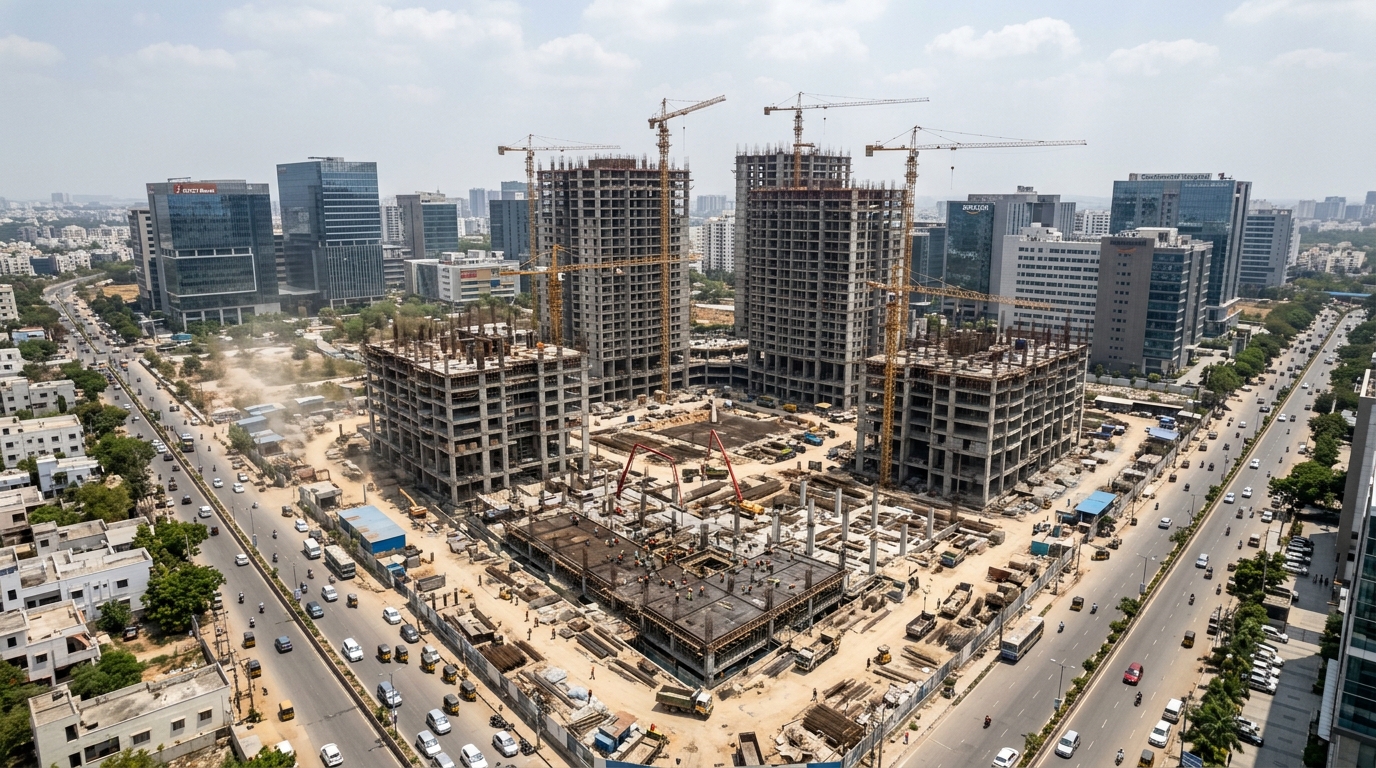
The Landowner-Builder Nexus Under Pressure
The distressing news from Telangana, where property owners are reportedly being denied access to their land, sends a stark warning to the real estate sector. For developers and builders, this signifies increased uncertainty in land acquisition and project execution. Secure land titles are the bedrock of any development project; any disruption can lead to significant delays, cost overruns, and reputational damage. This situation underscores the critical need for thorough due diligence and robust legal frameworks to protect all stakeholders.
For landowners, such events can be devastating, impacting their ability to leverage their assets for economic benefit. It also creates a climate of distrust, potentially deterring future investment in land development. Developers must be acutely aware of these sensitivities and prioritize transparent and ethical land dealings.
Impact on Construction Trends, Approvals, and Supply Pipeline
The instability highlighted by these land disputes can significantly disrupt the construction supply pipeline. Projects reliant on timely land acquisition may face prolonged delays, affecting the availability of new inventory in a market that often thrives on a consistent flow of projects. This could exacerbate a supply-demand mismatch, particularly in high-growth areas, leading to price escalations.
Furthermore, unresolved land ownership issues can complicate the approval process for building permits and other regulatory clearances. Government agencies may hesitate to grant approvals for projects where land titles are in question. This emphasizes the importance of developers engaging with local authorities proactively and ensuring all land documentation is impeccable before initiating any development plans.
- Increased scrutiny on land title verification during project approvals.
- Potential for delays in project commencement, impacting delivery timelines.
- Risk of escalating material and labor costs due to project delays and supply chain disruptions.
- Need for developers to factor in extended timelines for land acquisition and legal clearances.
Hyderabad's Growth Corridors: Opportunity Amidst Challenges
While the news is concerning, it also presents a nuanced view of opportunities within Telangana's burgeoning real estate market. Hyderabad, and specifically its prominent IT and financial hubs like Gachibowli, Kokapet, and the Financial District, continue to experience robust demand for residential and commercial spaces. The influx of talent and corporate investments fuels this demand.
Developers with a strong understanding of local land laws and a meticulous approach to due diligence can navigate these challenges. Identifying land parcels with clear titles and engaging with local communities to ensure buy-in will be crucial. The ongoing development in these areas suggests a latent demand that, if met with secure and well-executed projects, can yield significant returns.
Navigating Risks and Execution Hurdles
The primary risk for developers is the potential for prolonged legal battles and community opposition stemming from disputed land ownership. This can halt construction indefinitely, leading to substantial financial losses and damage to the developer's reputation. Executing projects in such an environment requires a sophisticated risk management strategy.
Key execution challenges include: ensuring the integrity of land acquisition processes, managing stakeholder expectations, and maintaining transparent communication with local authorities and potential buyers. Building strong relationships with legal counsel specializing in property law in Telangana is paramount. Developers should consider phased development and contingency planning to mitigate the impact of unforeseen land-related issues.
- Thorough legal vetting of land titles, including historical records.
- Engaging experienced local legal advisors to navigate land acquisition complexities.
- Implementing robust community engagement strategies to foster trust and prevent disputes.
- Developing contingency plans for project delays and cost escalations.
- Exploring partnerships with landowners who have demonstrably clear and undisputed titles.
Source: The Hindu