Tech Mahindra's Hyderabad Expansion: A Catalyst for Real Estate Development
Published: June 2026
Implications for Builders and Landowners
Tech Mahindra's substantial lease in Hyderabad is a clear indicator of strong corporate expansion plans and a continued preference for Grade A office spaces. For builders, this translates into a heightened demand for new constructions, particularly those meeting the stringent requirements of IT and ITES companies. This includes ample parking, modern amenities, flexible floor plates, and sustainability certifications. Landowners in strategic locations, especially those with proximity to established IT hubs or emerging business districts, are poised to benefit from increased leasing and outright sale opportunities. The sustained demand suggests that pre-leasing agreements for new projects can be secured more readily, de-risking development.
The news also highlights the importance of anticipating future needs. Companies like Tech Mahindra are likely to continue expanding, creating a pipeline of demand for years to come. Developers who can offer ready-to-occupy spaces or have a clear vision for phased development will be well-positioned. Furthermore, this expansion can spur ancillary development, including residential, retail, and hospitality projects, creating a multiplier effect for the real estate ecosystem.
Increased demand for Grade A office spaces.
Opportunities for land acquisition in strategic growth corridors.
Potential for pre-leasing and de-risking of new projects.
Spur in demand for ancillary residential, retail, and hospitality developments.
Construction Trends, Approvals, and Supply Pipeline
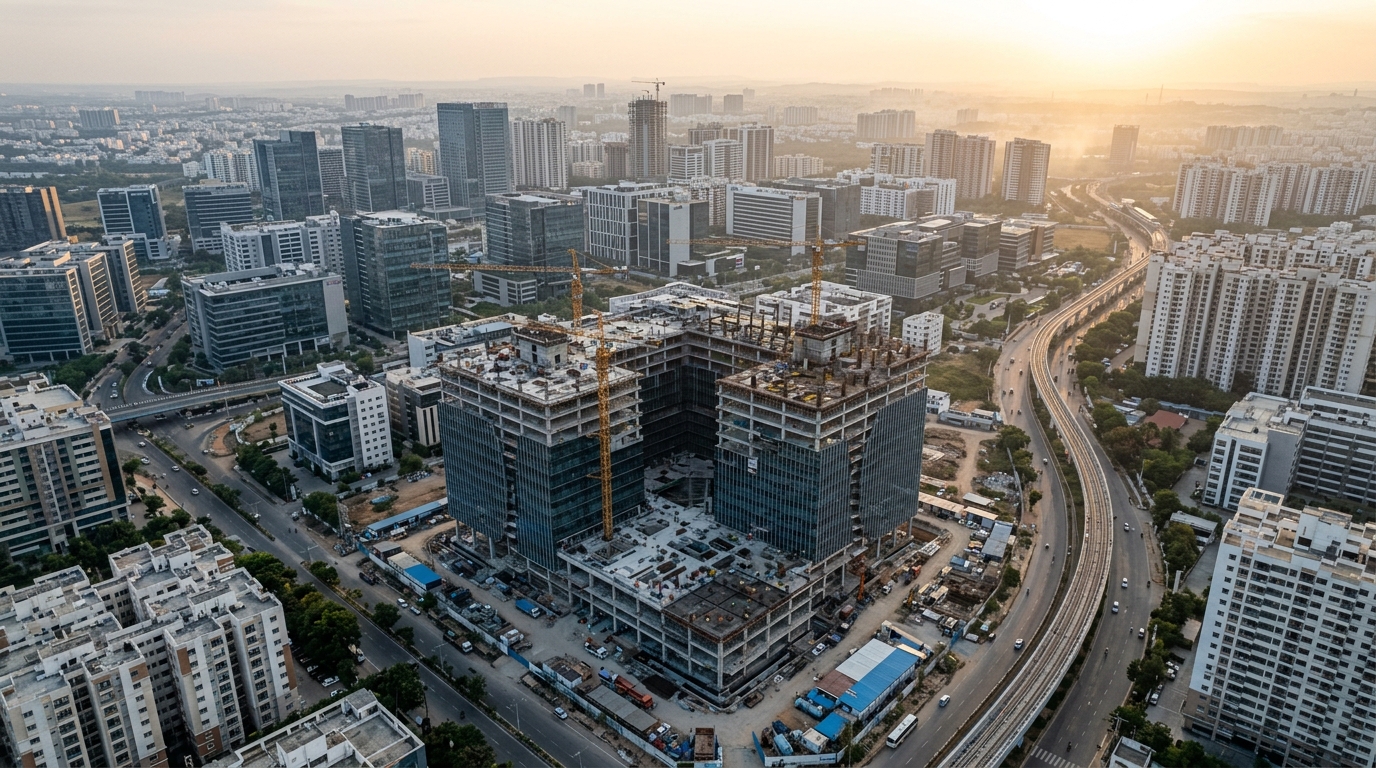
This surge in demand necessitates an accelerated construction timeline and efficient approval processes. Developers need to focus on modular construction techniques and smart building technologies to expedite project delivery without compromising quality. The supply pipeline needs to be carefully managed. While existing Grade A supply might be tight, the ease of securing large leases can incentivize new project launches. However, it's crucial to monitor the absorption rate against new supply to avoid oversupply in specific micro-markets.
The approval process remains a critical factor. Streamlined and transparent regulatory frameworks are essential to support the pace of development required by such large-scale corporate expansions. Developers who have established relationships with local authorities and a deep understanding of zoning and building regulations will have a competitive advantage. A proactive approach to sustainability and green building certifications will also be paramount, as these are increasingly becoming non-negotiable for large corporate tenants.
Focus on modular construction and smart building technologies.
Careful monitoring of absorption rates versus new supply.
Importance of streamlined and transparent regulatory approvals.
Prioritizing sustainability and green building certifications.
Hyderabad's Micro-Market Opportunities
Hyderabad, and specifically its western IT corridor, is the clear beneficiary of this trend. Areas like Gachibowli, the Financial District, and emerging zones like Kokapet are prime locations for such expansions. Gachibowli and the Financial District already boast a well-established IT ecosystem and infrastructure, making them attractive for companies seeking established connectivity and talent pools. Kokapet, with its newer infrastructure and land availability, represents a growth frontier, offering opportunities for developers to create cutting-edge campuses.
Developers should analyze the specific requirements of large IT firms like Tech Mahindra. Their needs often extend beyond just office space to include employee well-being, connectivity, and accessibility. Therefore, projects located within or near these established and emerging hubs, offering a comprehensive ecosystem of amenities, will command premium rentals and higher occupancy rates. The demand is not just for square footage but for an integrated work-life environment.
Gachibowli and Financial District: Established IT hubs with existing infrastructure.
Kokapet: Emerging growth frontier with potential for new developments.
Focus on integrated ecosystems of amenities for employees.
Proximity to talent pools and transportation networks is key.
Risks and Execution Challenges
While the outlook is positive, developers must navigate potential risks. The most significant is the execution challenge: delivering large-scale projects within tight deadlines and budgets. Rising construction material costs and labor shortages can impact profitability and project timelines. Furthermore, economic uncertainties or shifts in corporate expansion strategies could impact long-term demand.
Another critical challenge is the competition. As demand grows, more developers will enter the market, potentially leading to price wars or an oversupply if not managed strategically. Securing prime land parcels at competitive prices is also becoming increasingly difficult. Developers must conduct thorough due diligence, robust financial modeling, and maintain strong relationships with stakeholders to mitigate these risks and ensure successful project execution.
Rising construction material costs and labor shortages.
Economic uncertainties and potential shifts in corporate strategies.
Increased competition and potential for oversupply.
Securing prime land parcels at competitive prices.
Tight deadlines and budget management.
Source: The Economic Times