Rs 6 Lakh Homes in Telangana: The Indiramma Housing Scheme Rewrites the Dream of Homeownership
Published: July 2026
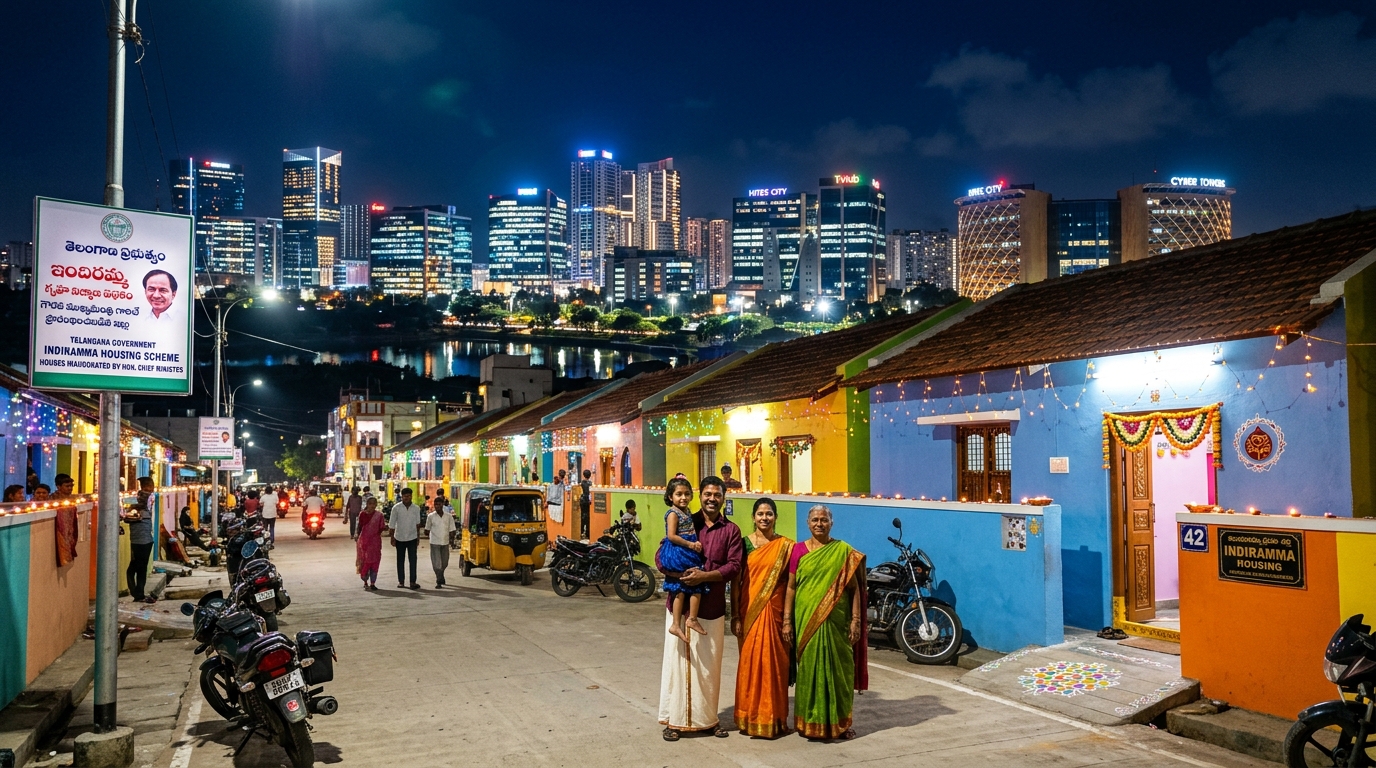
A Whisper of Opportunity: The Indiramma Promise
For countless families in Telangana, the dream of owning a home often felt like a distant star, obscured by rising property prices and dwindling affordability. But a new dawn is breaking. The Telangana government's Indiramma Housing Scheme has unfurled a beacon of hope, announcing the availability of houses for a staggering Rs 6 lakh. This isn't just a policy announcement; it's a narrative of aspiration, a testament to the state's commitment to inclusive development, and a potential seismic shift in the real estate market.
Imagine a young couple, working tirelessly in Hyderabad, their savings slowly accumulating, but the down payment for even a modest apartment remaining an insurmountable hurdle. For them, and thousands like them, the Indiramma scheme isn't just about bricks and mortar; it's about building a future, a secure foundation for their families, and a tangible asset that speaks of stability and progress.
Ground-Level Impact: Buyers, Investors, and the Developer's Dilemma
The immediate beneficiaries are, undoubtedly, the low and middle-income households across Telangana. This scheme directly addresses the critical need for affordable housing, potentially unlocking a vast segment of the population from the shackles of rental agreements. For these buyers, the Rs 6 lakh price point democratizes homeownership, making it a realistic goal rather than a perpetual aspiration.
For investors, the Indiramma scheme presents a dual-edged sword. On one hand, it signifies a robust government focus on housing, which can stimulate ancillary industries and create demand for construction materials and labor. On the other hand, the subsidized nature of these homes might not translate into immediate high returns for traditional investors solely focused on capital appreciation in the premium segments. However, it could foster long-term growth by creating a more stable and diverse housing market.
Developers, particularly those operating in the affordable housing segment, stand to gain significantly. This scheme provides a clear market signal and potential government support, encouraging them to scale up projects. However, developers will need to navigate the challenges of maintaining quality and profitability at this price point, ensuring that 'affordable' doesn't equate to 'substandard'. The key will be efficient project execution and smart design.
- Buyers: Increased accessibility to homeownership, financial stability, asset creation.
- Investors: Potential for long-term market stability, indirect economic stimulation.
- Developers: Opportunity to tap into a large, underserved market, potential for government incentives.
The Future Outlook: Emerging Hotspots and a Growing Landscape
While the Indiramma scheme aims for broad reach, its ripple effects will undoubtedly be felt most acutely in and around major urban centers like Hyderabad. Areas with existing infrastructure and connectivity will become prime targets for these affordable housing projects. The success of such initiatives often spurs development in peripheral areas, gradually expanding the urban footprint and creating new micro-markets.
While the Rs 6 lakh homes might not be concentrated in the gleaming high-rises of Gachibowli or the exclusive enclaves of Kokapet, their presence will indirectly influence these premium markets. By alleviating some of the demand pressure in the city's core, affordable housing can create a more balanced ecosystem. Developers in areas like the Financial District or emerging corridors might see a shift in their target audience or a greater emphasis on integrated townships that cater to a wider income spectrum.
The long-term outlook for Telangana's real estate sector, bolstered by initiatives like Indiramma, appears promising. It signals a maturing market that recognizes the importance of inclusivity. The scheme has the potential to create a virtuous cycle: more homeowners mean more disposable income, which in turn can drive demand for goods and services, further fueling economic growth and creating sustained demand across all real estate segments. The challenge, as always, lies in meticulous planning, transparent execution, and a keen eye on quality to ensure that this Rs 6 lakh dream transforms into a sustainable reality for many.
Source: News18