Navigating the Shifting Tides of Indian Real Estate: A Developer's Blueprint for Growth
Published: May 2026
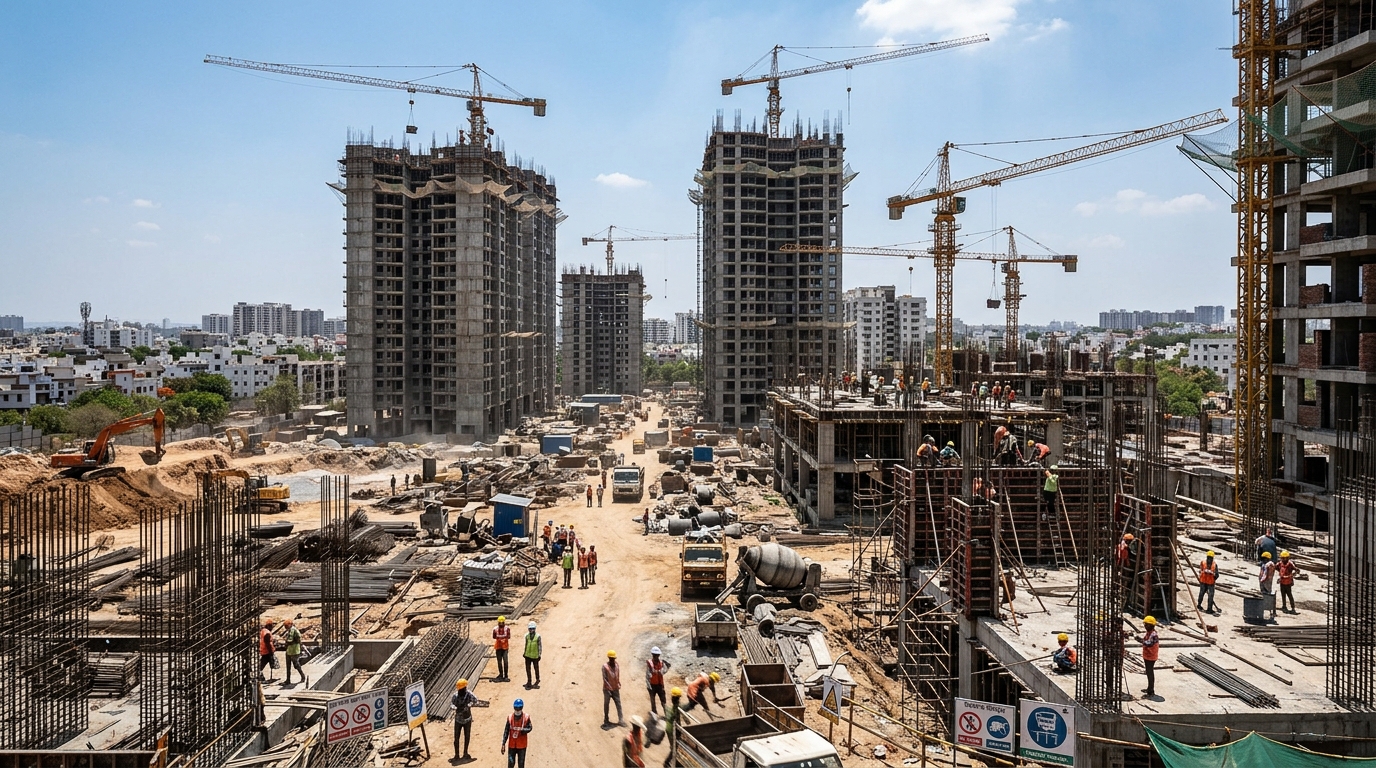
The Hyderabad Surge: Unpacking the Opportunity
Hyderabad's meteoric rise in real estate is not just a statistic; it's a clear signal for developers and landowners. The city is witnessing unprecedented demand, particularly in premium segments, driven by robust economic growth, IT sector expansion, and a burgeoning population. For builders, this translates to a fertile ground for new projects, especially those catering to the discerning buyer seeking quality and modern amenities. Landowners in and around key growth corridors stand to gain significantly from increased land values and development partnerships.
The article specifically points to areas like Gachibowli, Kokapet, and the Financial District as hotspots. These micro-markets are benefiting from concentrated IT development, leading to a direct increase in the affluent workforce seeking housing. Developers with a keen understanding of these specific local dynamics can tailor their offerings to capture this demand effectively. Early movers in these zones, or those with existing land banks, are strategically positioned for substantial returns.
- Focus on high-quality, amenity-rich developments in Hyderabad's growth corridors.
- Explore joint ventures with landowners in prime Hyderabad locations like Gachibowli, Kokapet, and the Financial District.
- Consider the increasing demand for larger homes and premium features driven by the affluent IT demographic.
NCR's Stumble and Mumbai's Steadfastness: Lessons for Builders
The contrasting performance of the National Capital Region (NCR) and Mumbai offers crucial insights. NCR's slip, while concerning, could be a temporary phase or indicative of specific market saturation or policy-related issues. Developers in NCR need to reassess their strategies, perhaps focusing on niche segments or more affordable housing options where demand might be more stable. Understanding the root cause of the slowdown is paramount before launching new large-scale projects.
Mumbai's resilience, on the other hand, underscores the enduring appeal of established, high-demand markets. The city's consistent performance, even in the premium segment, suggests a strong underlying demand that can absorb new supply, albeit at higher price points. For builders in Mumbai, the challenge lies in navigating the complexities of land acquisition and stringent approvals, but the potential for returns remains high for well-executed, premium projects.
- In NCR, conduct thorough due diligence on market dynamics and potentially diversify project types.
- For Mumbai, focus on efficient project execution and leverage the persistent demand for premium properties.
- Analyze the specific factors contributing to NCR's slowdown to avoid similar pitfalls.
Construction Trends, Approvals, and the Supply Pipeline
The article implicitly points to the importance of a healthy supply pipeline. In high-demand markets like Hyderabad, the speed of approvals and the efficiency of the construction sector will be critical in meeting the surging demand. Developers who can streamline their processes, from obtaining permits to on-ground execution, will have a competitive edge. The focus on premium housing suggests a trend towards higher-quality construction materials and advanced building technologies.
However, a rapid surge in demand can also lead to supply-demand mismatches. If the construction pipeline doesn't keep pace, it can fuel price escalation and create affordability issues, potentially leading to future market corrections. Developers need to maintain a strategic balance, ensuring they don't oversupply while also not falling too far behind demand. Understanding the regulatory environment and actively engaging with authorities to expedite approvals will be a key differentiator.
- Prioritize efficient construction methodologies to expedite project delivery.
- Proactively engage with regulatory bodies to ensure timely approvals.
- Monitor supply-demand dynamics to avoid market imbalances and price volatility.
- Invest in modern construction technologies for enhanced quality and speed.
Risks and Execution Challenges
While the opportunities are significant, developers must remain cognizant of the inherent risks. In Hyderabad, the rapid pace of development could attract increased scrutiny from authorities, potentially leading to delays in approvals or changes in zoning regulations. For landowners, the risk lies in choosing the wrong development partner, which could lead to stalled projects and devalued land.
Execution challenges include managing rising input costs, ensuring skilled labor availability, and navigating the competitive landscape. A strong pre-sales strategy is crucial, especially for premium projects, to secure funding and gauge market reception. Successful developers will be those who can meticulously plan, efficiently execute, and adapt to evolving market conditions and regulatory landscapes.
- Conduct thorough risk assessments for each new development.
- Develop robust financial planning to manage potential cost overruns.
- Build strong relationships with reliable contractors and suppliers.
- Focus on transparent communication with all stakeholders, including buyers and landowners.
Source: The Economic Times