Navigating the Shifting Sands: Q3 2026 Housing Sales Dip and Emerging Opportunities for Developers
Published: September 2026
Implications for Builders and Landowners
The 6% nationwide decline in housing sales, while a cause for concern, is not a monolithic indicator. It signifies a market that is becoming more discerning and potentially bifurcated. For builders, this means a heightened need for targeted strategies. Projects that align with specific buyer needs, offer unique value propositions, or are located in resilient markets will likely outperform. This downturn also presents a potential window of opportunity for landowners. With developers perhaps more cautious, negotiations on land acquisition might become more favorable, especially for parcels in areas with proven demand or significant future growth potential.
The key takeaway is that a blanket approach is no longer viable. Understanding the nuances of regional demand, affordability levels, and evolving buyer preferences is paramount. Builders who can adapt their product mix, pricing, and marketing to these micro-market dynamics will be best positioned to weather the slowdown and capitalize on pockets of growth.
- Focus on differentiated product offerings.
- Leverage potential land acquisition opportunities in resilient markets.
- Conduct granular market research to understand local demand drivers.
- Adapt pricing and marketing strategies to specific city/neighborhood dynamics.
Construction Trends, Approvals, and Supply Pipeline
A dip in sales can lead to a natural recalibration of the construction pipeline. Developers may slow down new project launches or pause ongoing construction phases if inventory levels rise significantly in certain micro-markets. This could indirectly impact the demand for construction materials and labor, potentially leading to price stabilization or even minor corrections in specific segments. However, it's crucial to differentiate between a temporary slowdown and a fundamental shift. If the underlying demand drivers remain strong, particularly in historically robust markets, the impact on the construction supply pipeline might be less pronounced. The approvals process, while often a bottleneck, is less likely to be directly affected by sales figures in the short term, though prolonged market sluggishness could eventually influence regulatory bodies' outlook on new project clearances.
The supply pipeline itself needs careful monitoring. While overall sales are down, there might still be a supply-demand mismatch in specific housing segments (e.g., affordable housing, luxury with unique amenities). Developers should analyze their existing inventory and planned projects against evolving demand to avoid oversupply in any particular category or location.
- Monitor inventory levels and adjust construction timelines accordingly.
- Assess potential shifts in material and labor costs.
- Analyze the current and projected supply pipeline against demand forecasts.
- Stay abreast of any changes in regulatory sentiment towards new project approvals.
Location-Specific Opportunities: Hyderabad's Ascent
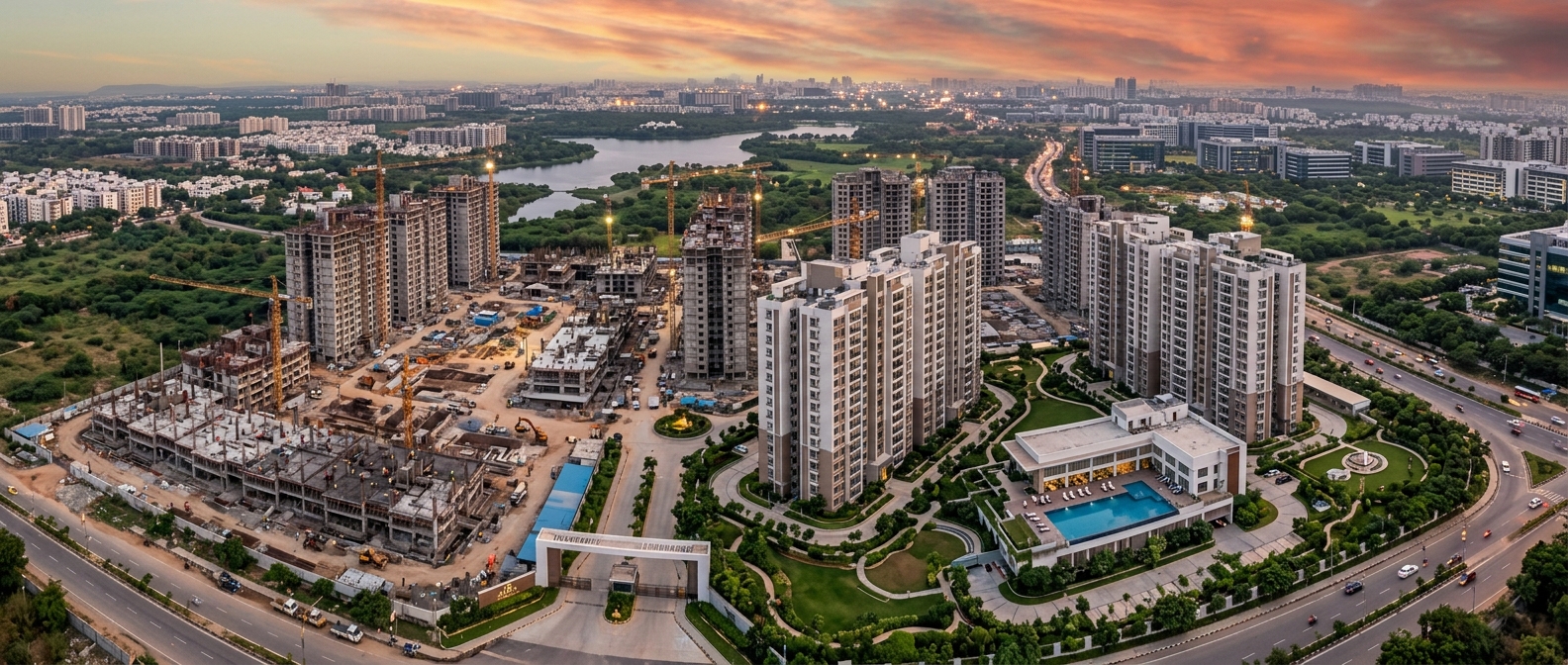
The report highlights Hyderabad, Navi Mumbai, and Chennai as bucking the trend of decline, with Hyderabad showing particular resilience. Within Hyderabad, areas like Gachibowli, Kokapet, and the Financial District are consistently attracting talent and investment, translating into sustained housing demand. These regions are characterized by robust IT/ITES sector growth, robust infrastructure development, and a young, aspirational demographic. This sustained demand, coupled with a potentially more measured pace of new launches compared to some other metros, creates a fertile ground for developers.
For builders and landowners in these specific Hyderabad locales, the current market scenario presents a clear opportunity. Instead of a broad market downturn, these areas offer localized strength. Developers can focus on launching projects that cater to the specific needs of the IT workforce – premium amenities, co-working spaces, proximity to workplaces, and sustainable living options. Landowners in these prime Hyderabad corridors can anticipate continued interest from developers looking to tap into this resilient demand base.
- Prioritize projects in high-growth corridors of Hyderabad like Gachibowli, Kokapet, and Financial District.
- Develop housing solutions tailored to the IT/ITES workforce.
- Explore partnerships for projects focusing on modern amenities and sustainable living.
- Landowners in these areas should anticipate continued developer interest.
Risks and Execution Challenges
Despite the bright spots, risks persist. A broader economic slowdown, rising interest rates, or geopolitical uncertainties could still impact even resilient markets. For developers, execution remains a critical challenge. Ensuring timely project completion, maintaining construction quality, and managing cost escalations are paramount, especially when dealing with tighter margins or longer sales cycles. The ability to secure timely approvals, manage contractor relationships effectively, and navigate potential labor shortages will be crucial for successful project delivery.
For landowners, the risk lies in misjudging market sentiment or agreeing to unfavorable terms. A thorough understanding of ongoing development, absorption rates, and developer financial health is essential before entering into any land agreements. The challenge is to remain agile and responsive to a dynamic market, balancing ambition with a pragmatic assessment of risks and operational capabilities.
- Monitor macroeconomic indicators for potential broader market impacts.
- Focus on efficient project execution and cost management.
- Ensure robust relationships with contractors and a secure labor pipeline.
- Conduct thorough due diligence on potential development partners and market conditions.
- Maintain agility in adapting to changing market demands and economic shifts.
Source: Hindustan Times