Navigating the Hyderabad Real Estate Narrative: Beyond the Headlines
Published: June 2026
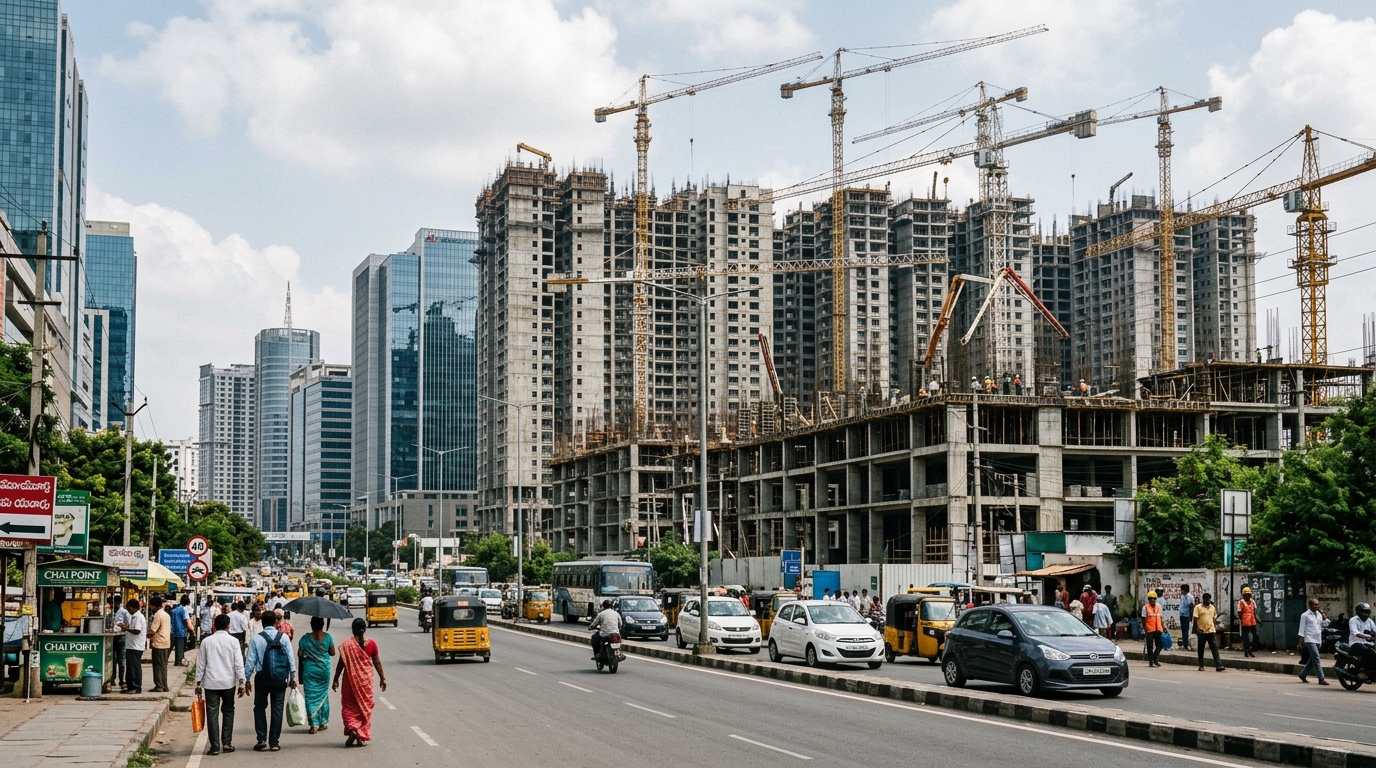
Decoding the Hyderabad Market: What the Headlines Miss
The recent news citing 'all companies are closed' in Hyderabad's real estate sector, while alarming, likely refers to specific segments or a localized downturn rather than a systemic collapse. For builders and landowners, this signals a need for granular market analysis, not outright panic. Landowners in prime areas like Gachibowli, Kokapet, and the Financial District, who have held land with a long-term vision, may find themselves in a stronger negotiating position if demand persists for quality, well-located projects. Conversely, those with land in less-developed or oversupplied peripheral areas may need to recalibrate their expectations or consider alternative land use strategies.
For builders, this period presents a dual challenge and opportunity. It's a chance to distinguish themselves through superior project execution, transparent dealings, and by catering to genuine end-user demand rather than speculative interests. A slowdown can also lead to more competitive pricing for construction materials and labor, potentially improving margins for well-managed projects.
- Identify specific segments experiencing downturn versus those with sustained demand.
- Re-evaluate landholding strategies for landowners based on micro-market potential.
- Focus on quality and end-user driven projects for builders to build resilience.
Construction Trends, Approvals, and the Supply Pipeline
The news might be hinting at a tightening of the construction supply pipeline due to economic uncertainties or a slowdown in new project launches. This can be a double-edged sword. On one hand, a reduction in new, unproven projects can benefit established developers with ongoing projects. On the other, if the slowdown impacts material supply chains or labor availability, it could escalate construction costs and timelines for existing and upcoming developments. Developers must maintain robust relationships with their suppliers and labor force to mitigate these risks. Furthermore, the pace of regulatory approvals can significantly influence the supply pipeline. Developers need to stay abreast of any changes or delays in the approval processes, as these can impact project viability and cash flow.
The current narrative, if reflecting a reduction in speculative launches, could lead to a healthier supply-demand balance in the long run, particularly in high-demand micro-markets. However, developers must actively assess the existing inventory and absorption rates to avoid contributing to a future oversupply once market sentiment improves.
- Strengthen relationships with material suppliers and labor providers.
- Closely monitor regulatory approval timelines and their impact on project schedules.
- Analyze existing inventory and absorption rates to inform new project launches.
Location Spotlight: Gachibowli, Kokapet, and the Financial District
These specific Hyderabad micro-markets have been growth engines, driven by IT expansion and corporate investments. The 'crash' narrative, if it pertains to a broader market correction, should be viewed through the lens of continued long-term demand in these premium locations. Gachibowli and the Financial District, with their established IT infrastructure and corporate presence, are likely to see sustained demand for residential and commercial spaces from professionals and businesses. Kokapet, often considered a luxury residential hub, might see a flight to quality, with buyers preferring well-appointed projects from reputable developers.
Developers focusing on these areas should prioritize projects that cater to the discerning buyer: premium amenities, sustainable designs, and excellent connectivity. The risk lies in overestimating demand based on past hyper-growth or launching generic projects. The opportunity lies in capitalizing on the inherent economic drivers of these locations by delivering projects that meet evolving lifestyle and work-from-home needs.
- Leverage established IT and corporate presence for sustained residential and commercial demand.
- Focus on premium amenities, sustainability, and connectivity in project offerings.
- Differentiate projects to cater to discerning buyers in luxury segments.
Risks and Execution Challenges in the Current Climate
The primary risks for builders and landowners in the current Hyderabad real estate scenario stem from potential overvaluation, extended sales cycles, and financing challenges. If the market is indeed undergoing a correction, existing valuations might need to be revisited. Extended sales cycles can strain cash flows, making efficient project management and marketing crucial. Access to finance might also become more challenging, with lenders adopting a more cautious approach.
Execution challenges will include managing construction costs amidst potential supply chain volatility, ensuring project quality under pressure, and navigating buyer sentiment. Developers must have robust financial planning, contingency plans for unforeseen costs, and a clear understanding of their target audience's purchasing power. Transparency in pricing and project delivery timelines will be paramount to rebuilding trust and facilitating sales. The ability to adapt to changing market dynamics quickly will be a key differentiator for successful developers.
- Revisit existing valuations and prepare for potentially extended sales cycles.
- Secure financing with a clear understanding of lender’s cautious approach.
- Implement stringent cost control measures and maintain high-quality construction standards.
- Prioritize transparency in pricing and project delivery to build buyer confidence.
Source: Fathom Journal