Navigating the Fine Line: Hyderabad Plot Marketing Amidst Regulatory Scrutiny
Published: November 2026
Implications for Builders and Landowners
The Siasat Daily's report highlights a growing regulatory vigilance in Hyderabad's real estate sector. For builders, this means a stark reminder that marketing must align precisely with the approved land use and development plans. Misleading prospective buyers by marketing individual plots as a complete villa township, when only land is being offered or planned for individual construction, can lead to severe financial penalties and reputational damage. This incident necessitates a rigorous internal review of all marketing collateral and sales pitches to ensure factual accuracy.
Landowners who partner with developers also face significant implications. If a developer misrepresents the project, landowners could inadvertently be caught in legal disputes and regulatory action, especially if they are involved in the initial approvals or marketing phase. It's crucial for landowners to conduct thorough due diligence on their development partners and understand the exact nature of the project being marketed on their land. Transparency from the outset is paramount to avoid future complications.
- Builders must ensure marketing aligns strictly with approved land use and development plans.
- Landowners should conduct due diligence on developer partners and understand project scope.
- Clear communication regarding individual plots versus integrated townships is essential.
- Proactive engagement with local authorities to understand evolving regulations is advised.
Construction Trends, Approvals, and Supply Pipeline Challenges
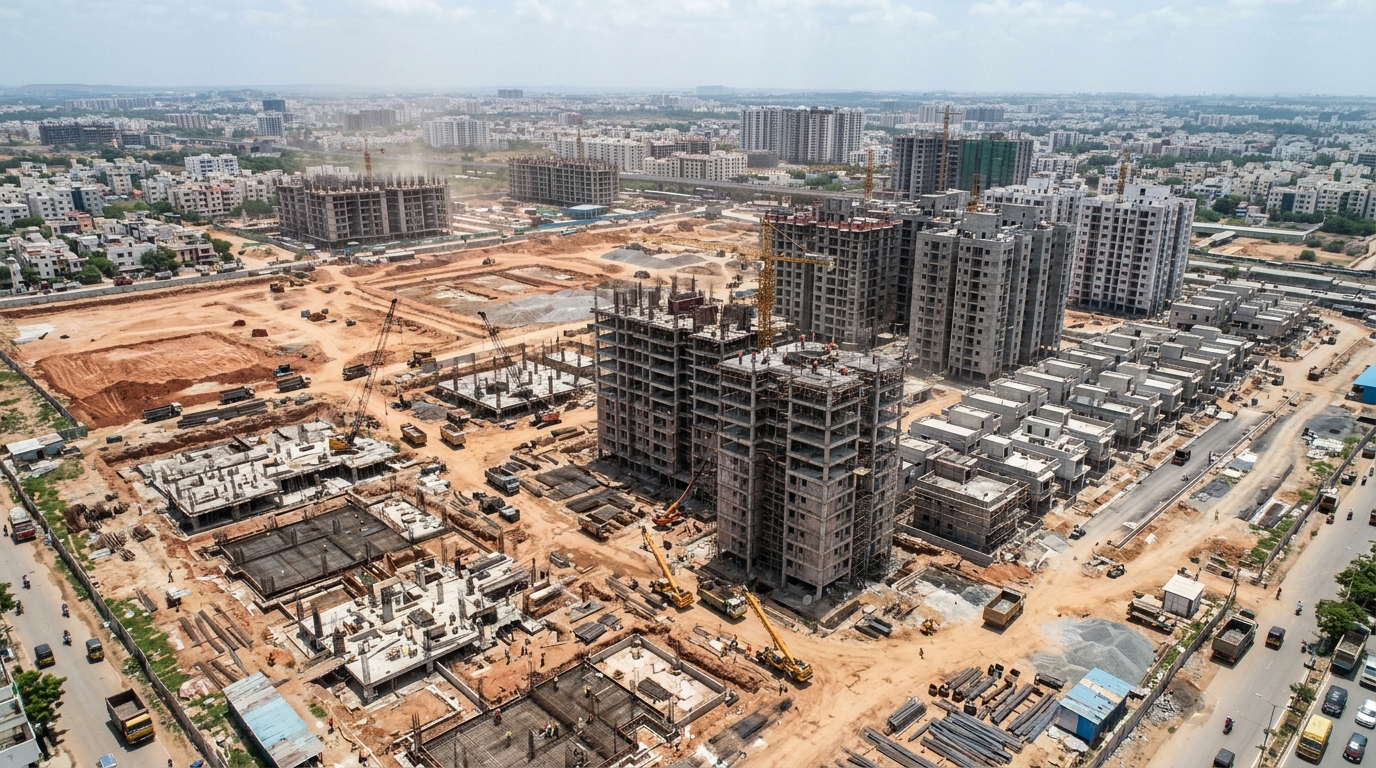
The incident points to a potential disconnect between buyer aspirations and the reality of land development in high-demand areas. While buyers may seek the exclusivity and perceived value of a villa township, the current approval processes and land parcel sizes might favor individual plot sales or smaller, phased developments. This can create a supply pipeline that struggles to meet a specific market demand for large-scale, integrated villa projects, forcing some developers to market existing offerings in a way that stretches the truth.
Understanding the intricate approval processes for different types of developments – be it gated communities, plotted developments, or integrated townships – is more critical than ever. Developers need to ensure their proposed project aligns with zoning regulations and obtain all necessary sanctions before commencing any marketing activities. Overestimating the speed of approvals or misrepresenting the stage of development can lead to significant risks, especially in hyper-growth corridors like Hyderabad.
- Verify all land use approvals and master plan alignments.
- Factor in realistic timelines for obtaining development permits.
- Assess the feasibility of large-scale villa townships versus plotted developments.
- Communicate the current stage of development transparently to potential buyers.
Location-Specific Opportunities and Risks in Hyderabad's Growth Corridors
Areas like Gachibowli, Kokapet, and the Financial District in Hyderabad are experiencing unprecedented growth, attracting both developers and end-users. This rapid expansion often leads to a surge in land value and a competitive development environment. While the demand for premium housing, including villas, remains high, the regulatory framework needs to keep pace with the speed of development.
For developers looking to capitalize on these prime locations, understanding the specific land-use regulations in each micro-market is crucial. A 'villa township' concept might be permissible in certain zones with specific FSI (Floor Space Index) and plot coverage rules, while in others, it might be strictly individual plotted development. The risk lies in assuming that a popular project type in one area can be replicated in another without considering local planning and zoning laws. The recent fine suggests that authorities are scrutinizing such claims closely, especially in areas witnessing intense speculative activity and rapid land transactions.
- Research specific zoning and development regulations for Gachibowli, Kokapet, and Financial District.
- Identify pockets where integrated villa township development is legally feasible and approved.
- Consider the supply-demand dynamics for different housing typologies in these areas.
- Be aware of increased regulatory oversight in high-growth corridors.
Mitigating Execution Challenges and Legal Pitfalls
The core execution challenge for builders in such scenarios is bridging the gap between their marketing aspirations and the legal realities of land development. This involves not only securing the land and approvals but also ensuring that the product delivered, or planned to be delivered, matches the initial representation. A failure to do so can trigger a cascade of problems, from buyer dissatisfaction and legal challenges to significant financial penalties and damage to brand equity.
To mitigate these risks, a robust due diligence process is non-negotiable. This includes verifying the legal status of the land, understanding the existing master plan, consulting with legal experts on land use regulations, and obtaining clarity on all necessary development permissions before launching any marketing campaigns. For landowners, it means ensuring that any development agreement clearly defines the project scope and marketing responsibilities. Transparency, adherence to regulations, and ethical marketing practices are not just compliance requirements; they are fundamental to sustainable growth in Hyderabad's dynamic real estate market.
- Implement rigorous legal and regulatory due diligence before project launch.
- Develop a clear, fact-based marketing strategy that aligns with approved plans.
- Seek legal counsel to interpret land use regulations and obtain necessary approvals.
- Maintain transparent communication with buyers and stakeholders throughout the development lifecycle.
Source: The Siasat Daily