Navigating the Commission Conundrum: Impact on Hyderabad's Real Estate Development
Published: September 2026
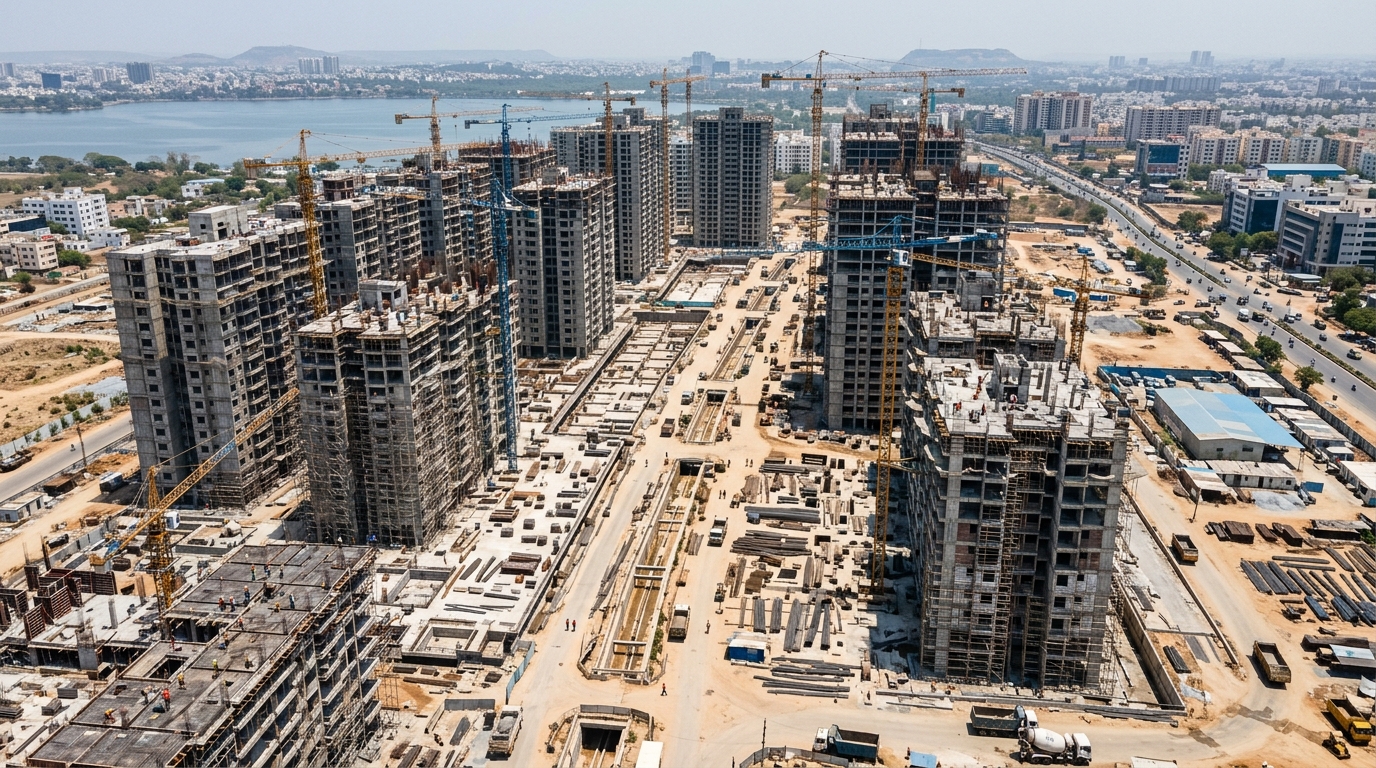
The Commission Conundrum: What it Means for Builders and Landowners
The news of alleged commission demands from political leaders presents a significant hurdle for real estate developers and landowners in Hyderabad. For builders, this translates to increased project costs, eroding profit margins, and a potential slowdown in the pace of development. These "unofficial" payments, if widespread, can create an uneven playing field, disadvantaging ethical developers who operate transparently.
Landowners, particularly those looking to monetize their plots, may find themselves in a precarious position. The added financial burden on developers could lead to a reluctance to engage in new ventures or a downward pressure on land acquisition prices. This could stifle the growth of new housing and commercial spaces, impacting both supply and affordability in the long run.
- Increased project development costs for builders.
- Potential reduction in profit margins for developers.
- Downward pressure on land acquisition prices.
- Impact on the overall cost of housing and commercial spaces.
Impact on Construction Trends, Approvals, and Supply Pipeline
The current situation poses a direct threat to the efficient functioning of Hyderabad's construction ecosystem. Projects requiring swift approvals from various government bodies could face delays or become subject to prolonged negotiations if unofficial demands are perceived as a norm. This can disrupt the carefully planned construction timelines and the seamless flow of materials and labor.
The supply pipeline, crucial for meeting the growing demand, could be significantly affected. If developers become hesitant to initiate new projects due to the added financial and bureaucratic complexities, the pace of new housing and commercial unit launches will inevitably slow down. This could exacerbate the existing supply-demand mismatch in prime locations, leading to further price escalations for ready-to-move-in properties and rental accommodation.
- Delays in obtaining necessary project approvals.
- Disruption of construction timelines and project execution.
- Slowdown in the launch of new residential and commercial projects.
- Potential worsening of the supply-demand imbalance in key markets.
Location-Specific Opportunities and Challenges: Hyderabad's Growth Corridors
Hyderabad, and specifically its burgeoning IT and financial hubs like Gachibowli, Kokapet, and the Financial District, have been witnessing unprecedented growth. These areas are magnets for both residential and commercial development, driven by a strong influx of talent and businesses. However, the impact of commission demands could be more pronounced here, where the stakes are higher and the volume of transactions is significant.
While the demand for premium residential and Grade A commercial spaces in these prime locations remains robust, developers operating in these areas will need to factor in the potential for increased "costs of doing business." This could lead to a more cautious approach to large-scale developments and a greater emphasis on meticulously planned projects with strong pre-sales to mitigate risks.
- High demand for residential and commercial spaces in Gachibowli, Kokapet, and Financial District.
- Potential for higher "costs of doing business" in these prime locations.
- Increased caution in undertaking large-scale projects.
- Emphasis on meticulous planning and robust pre-sales strategies.
Risks and Execution Challenges for Developers
The primary risk for developers is the erosion of financial viability. Unforeseen "additional" costs can quickly turn a profitable project into a loss-making one, jeopardizing investment and future endeavors. This uncertainty makes long-term strategic planning incredibly difficult.
Execution challenges extend beyond financial aspects. The stress of navigating potential bureaucratic hurdles and unofficial demands can impact project management efficiency, team morale, and the overall quality of construction. Moreover, the reputational risk of being associated with potentially corrupt practices, even indirectly, is a significant concern for ethical developers seeking to build lasting value and trust within the market.
- Erosion of project financial viability and profitability.
- Difficulty in long-term strategic and financial planning.
- Impact on project management efficiency and team morale.
- Reputational risks associated with navigating opaque processes.
Source: The Hindu