IREC 2026 Hyderabad: A Game Changer for Indian Real Estate Developers
Published: September 2026
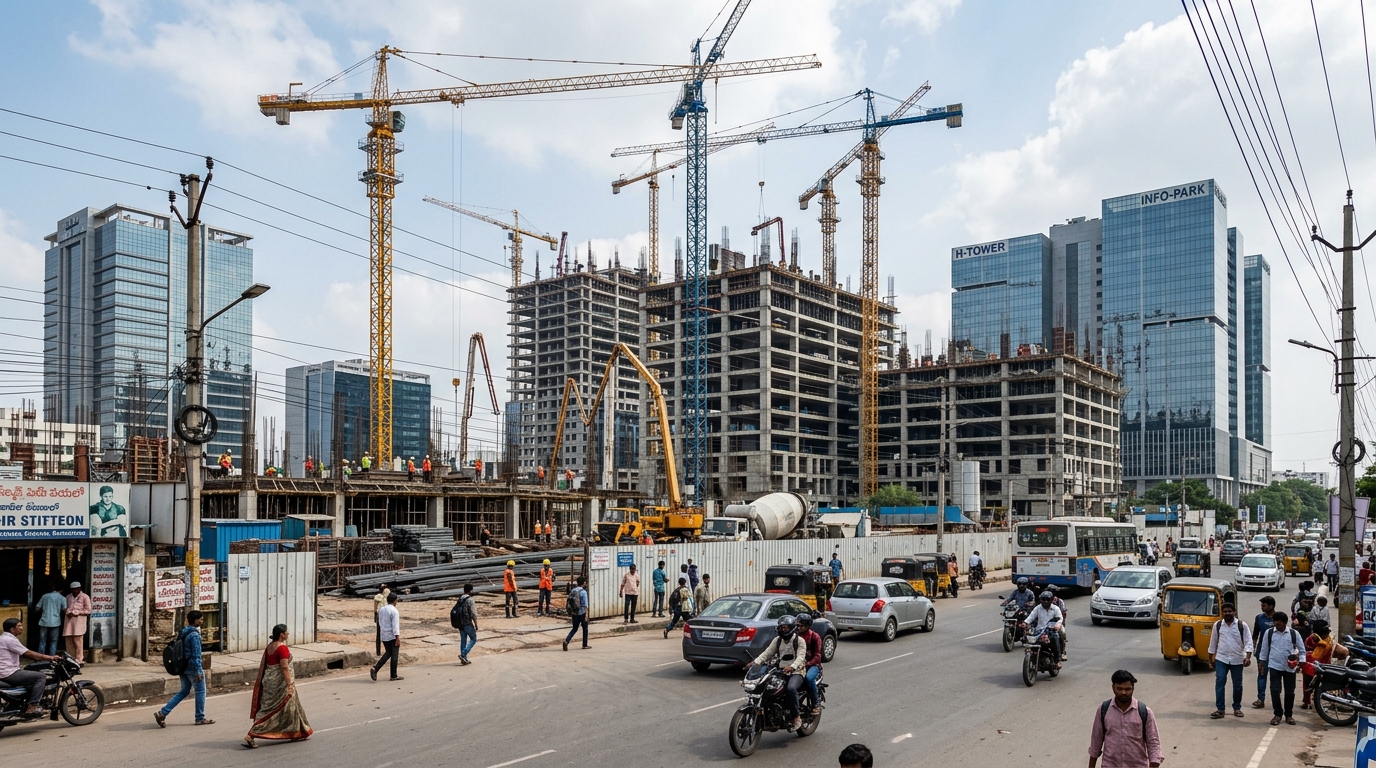
The IREC 2026 Impact: Opportunities for Builders and Landowners
The upcoming IREC 2026 in Hyderabad, scheduled for September 25-27, marks a significant milestone as India's first international real estate conference. For builders and developers, this event is a critical juncture to gain insights into global best practices, emerging investment avenues, and policy reforms that will shape the future of Indian real estate. It provides a platform to network with international investors, understand global market dynamics, and forge strategic partnerships. For landowners, particularly those holding prime plots in burgeoning urban centers, IREC 2026 signifies an elevated opportunity to attract sophisticated development partners and secure better valuations for their assets.
The conference is expected to foster a more transparent and efficient development ecosystem. Key discussions will likely revolve around attracting Foreign Direct Investment (FDI) into the sector, streamlining regulatory processes, and promoting sustainable development. This can translate into faster project approvals, access to a wider pool of capital, and ultimately, a more robust and predictable development environment for all stakeholders.
- Access to international investment and funding
- Benchmarking with global real estate trends
- Opportunities for joint ventures and strategic alliances
- Enhanced visibility for land parcels and development projects
- Understanding future market demands and consumer preferences
Construction Trends, Approvals, and Supply Pipeline in Focus
IREC 2026 will undoubtedly put a spotlight on the crucial aspects of construction trends, approval mechanisms, and the overall supply pipeline. Developers can anticipate discussions on adopting cutting-edge construction technologies, sustainable building practices, and modular construction to enhance efficiency and reduce project timelines. The ongoing focus on 'Housing for All' and smart city initiatives will likely drive conversations around affordable housing solutions and integrated urban development projects.
A significant challenge and opportunity for developers lies in navigating the approval processes. The conference is a prime venue for advocating for and understanding reforms that can expedite approvals, such as single-window clearance systems and digitalized land records. Furthermore, understanding the projected demand versus the current and future supply pipeline will be critical. Hyderabad, with its rapid economic growth, faces a constant need for new supply across residential, commercial, and retail segments. IREC 2026 can provide data-driven insights to help developers align their supply pipeline with market needs, thereby mitigating the risk of oversupply or undersupply in specific micro-markets.
- Adoption of smart construction technologies
- Emphasis on green building and sustainable development
- Streamlining of regulatory and approval processes
- Forecasting demand-supply dynamics for various asset classes
- Impact of policy changes on construction material and labor
Hyderabad's Golden Corridor: Location-Specific Opportunities
Hyderabad, the host city for IREC 2026, is a thriving hub for real estate development, making this conference particularly relevant for the region. Areas like Gachibowli, Kokapet, and the Financial District are already experiencing robust growth driven by the IT and BFSI sectors, leading to a consistent demand for commercial and residential spaces. The influx of global corporations and a skilled workforce continues to fuel this demand, creating a fertile ground for high-value projects.
The focus of IREC 2026 on international investment and standards will elevate these already prime locations. Developers in these corridors can expect increased interest from international players looking to invest in Grade A commercial spaces, premium residential projects, and integrated townships. The conference can also catalyze discussions on infrastructure development required to support this growth, such as enhanced connectivity and public amenities, which are crucial for realizing the full potential of these micro-markets. Landowners in and around these zones should prepare to leverage this global attention for enhanced project viability and returns.
- High demand for commercial and residential spaces in IT/BFSI corridors
- Potential for premium and luxury residential developments
- Opportunities in integrated township and mixed-use developments
- Increased investor interest in Grade A commercial properties
- Need for enhanced supporting infrastructure (transport, amenities)
Navigating the Risks and Execution Challenges
While IREC 2026 promises immense opportunities, developers must also be cognizant of the inherent risks and execution challenges. Regulatory hurdles, though expected to be addressed at the conference, can still pose significant delays. Land acquisition complexities, environmental clearances, and evolving RERA norms require meticulous planning and execution. The potential for a supply-demand mismatch, especially in niche segments or rapidly developing micro-markets, needs careful market research and strategic foresight.
Furthermore, macroeconomic factors such as interest rate fluctuations, inflation, and global economic uncertainties can impact project financing and buyer sentiment. Developers must focus on robust financial planning, risk mitigation strategies, and agile project management to navigate these challenges. The insights gained from IREC 2026 will be invaluable in developing resilient business models and execution strategies that can withstand market volatility and ensure successful project delivery.
- Navigating complex regulatory and approval processes
- Managing land acquisition and title clarity
- Mitigating financial risks and interest rate volatility
- Addressing potential supply-demand imbalances
- Ensuring timely project execution and quality delivery
Source: Realty Today