Indian Housing Sales Surge: Navigating the Boom for Builders and Developers
Published: September 2026
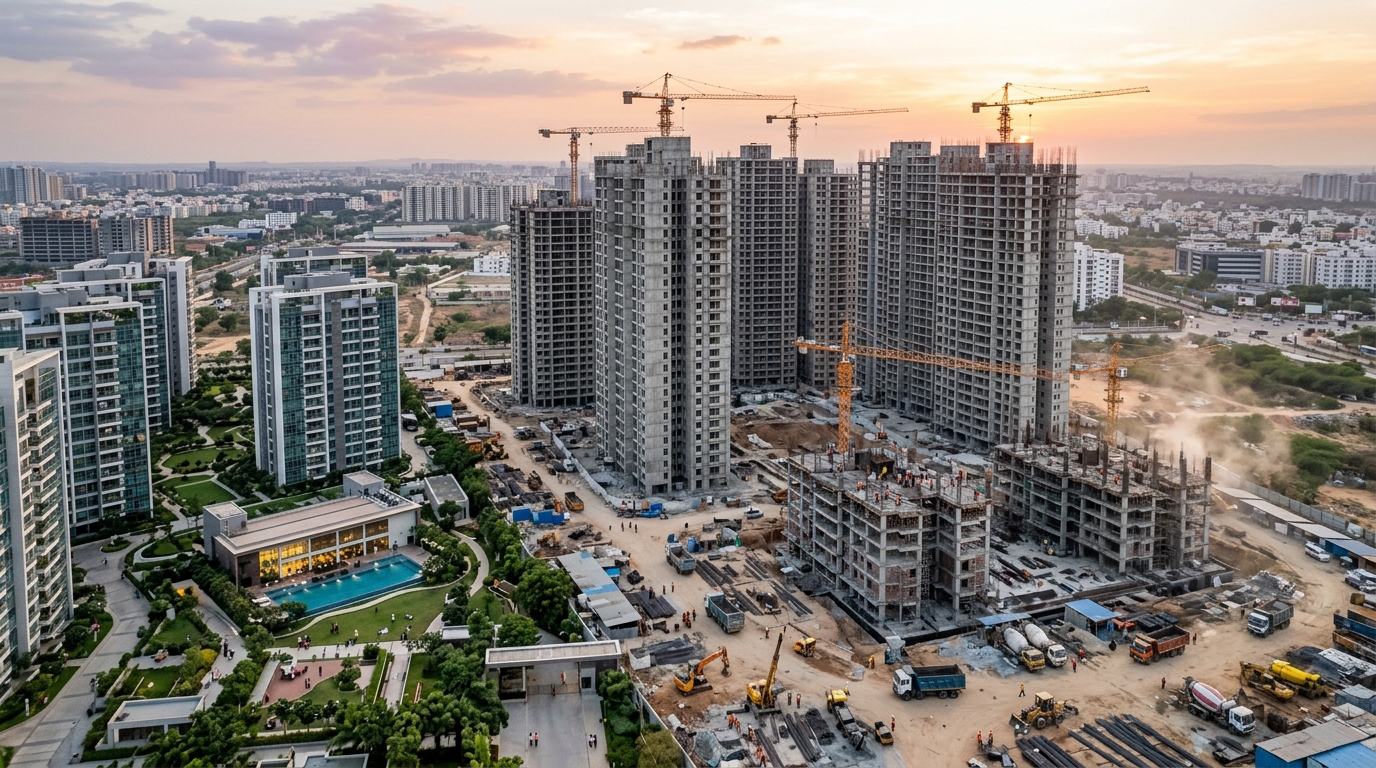
The Emerging Landscape: What the Sales Surge Means for You
The recent surge in housing sales, as reported by The Times of India, is a clear indicator of a resurgent real estate market. For builders and developers, this translates to heightened demand and a more favorable sales environment. This isn't just about more units selling; it's about potential for improved pricing power and faster project sell-outs. Landowners, in particular, will find themselves in a stronger negotiating position, with the potential for higher land acquisition values as developers race to secure plots for future projects. The current climate suggests a return to confidence among homebuyers, fueled by economic recovery and potentially favorable interest rate scenarios.
This upturn signals a critical juncture. Developers who have pre-approved projects or a strong pipeline of shovel-ready inventory are best positioned to capitalize immediately. Conversely, those who have been in a holding pattern may need to accelerate their planning and approval processes to tap into this momentum. Understanding the specific drivers behind the sales growth in different micro-markets will be crucial for targeted development.
Construction Trends, Approvals, and the Supply Pipeline
The increased sales volume puts immediate pressure on the construction supply chain. Developers need to anticipate a potential rise in material costs and a tighter labor market. Forward-thinking builders should be securing their material contracts now and exploring innovative construction technologies that can expedite delivery without compromising quality. The approval process, often a bottleneck, becomes even more critical. Streamlining these procedures and maintaining good relationships with local authorities are paramount to launching projects quickly and efficiently.
The news highlights a potential supply-demand mismatch in the making. While sales are booming, the pace of new project launches and construction completions may not immediately keep up. This gap presents an opportunity for developers to build and deliver projects that meet the immediate needs of the market. Proactive engagement with contractors and a robust project management framework will be essential to navigate this.
Secure material contracts early to mitigate price volatility.
Explore modular construction and pre-fabrication for faster project execution.
Liaise closely with municipal bodies to expedite approvals.
Invest in technology for efficient project management and site monitoring.
Spotlight on Opportunity: Hyderabad's Growth Corridors
The Times of India article specifically points to the robust performance in cities like Hyderabad. This reinforces the strategic importance of this region for real estate development. Micro-markets within Hyderabad, such as Gachibowli, the Financial District, and areas like Kokapet, are already established hubs for IT and business, attracting a young and aspirational demographic. The surge in housing sales here suggests continued demand for residential properties that cater to this segment – be it premium apartments, gated communities, or even plotted developments.
The continued growth in these areas, driven by economic activity and infrastructure development, makes them prime locations for new residential projects. Developers focusing on these corridors can leverage the existing ecosystem and connectivity to attract buyers. The demand is likely for well-appointed homes that offer both lifestyle amenities and proximity to workplaces. Understanding the specific buyer profiles within these micro-markets, be it for end-users or investors, will refine project offerings.
Navigating Risks and Execution Challenges
While the sales surge is positive, developers must remain vigilant about potential risks. The most significant challenge will be execution. A rapid increase in project pipelines can strain resources, leading to potential delays and quality compromises if not managed meticulously. Furthermore, the economic factors driving sales can also be volatile. A sudden shift in interest rates or a downturn in the broader economy could impact buyer sentiment and affordability.
For landowners, the risk lies in overvaluing their land based on current market enthusiasm, which could lead to stalled negotiations or projects if developer affordability is not considered. For builders, maintaining strong financial discipline and managing cash flow effectively will be critical, especially if sales cycles extend beyond initial projections. Thorough market research, robust financial planning, and a commitment to quality will be the bedrock of successful project execution in this booming environment.
Conduct thorough due diligence on market trends and economic indicators.
Develop a contingency plan for potential supply chain disruptions or cost escalations.
Maintain strong relationships with financing institutions.
Prioritize customer satisfaction and after-sales service to build brand loyalty.
Source: The Times of India