Incuspaze-iKeva Merger: A Tailwind for Hyderabad & Bengaluru Real Estate Developers
Published: June 2026
Opportunities for Builders and Landowners
The aggressive expansion by flexible workspace providers like Incuspaze, fueled by the iKeva acquisition, translates directly into increased demand for commercial real estate. Developers with strategically located land parcels or existing commercial properties in prime business districts will find themselves in a strong negotiating position. This acquisition indicates a growing confidence in the flexible workspace model, suggesting a sustained need for well-designed, adaptable office spaces.
Landowners in areas experiencing robust IT and business growth, especially within Hyderabad's established and emerging tech hubs, should anticipate heightened interest from workspace operators. The trend towards hybrid work models and the continuous influx of businesses seeking agile solutions means that demand for flexible office inventory is likely to remain strong, driving up rental yields and property values.
- Identify and secure land in growth corridors that align with flexible workspace demand.
- Consider pre-leasing agreements with flexible workspace operators to de-risk development projects.
- Explore partnerships with operators for revenue-sharing models.
- Evaluate the potential for converting underutilized commercial spaces into flexible office solutions.
Construction Trends, Approvals, and Supply Pipeline
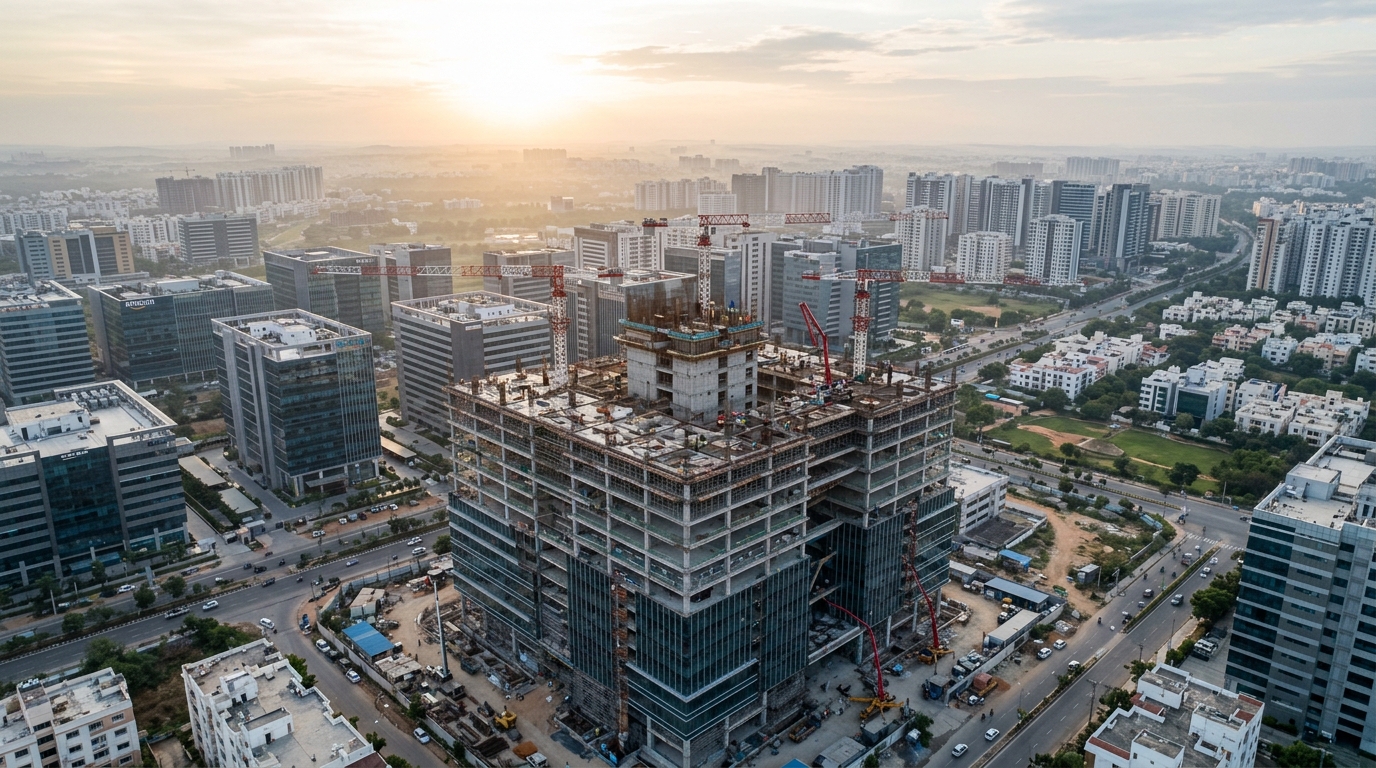
The accelerated growth in the flexible workspace sector will put pressure on the construction industry. Developers will need to focus on speed and efficiency in project delivery. This means streamlining approval processes, optimizing supply chains for construction materials, and adopting modular or prefabricated construction techniques where feasible. The demand for spaces that can be rapidly deployed and adapted will influence design and build philosophies.
With increased competition for resources, managing the supply pipeline for skilled labor and materials will be crucial. The demand for specialized interior fit-outs, including high-speed internet infrastructure, ergonomic furniture, and collaboration zones, will also rise. Developers should anticipate a potential increase in construction costs due to this heightened activity and ensure robust cost management strategies are in place.
- Prioritize obtaining necessary permits and approvals efficiently.
- Diversify construction material suppliers to mitigate supply chain disruptions.
- Invest in skilled labor training and retention programs.
- Explore sustainable and rapid construction methodologies.
Location Spotlight: Hyderabad's Tech Corridors
Hyderabad, particularly areas like Gachibowli, Kokapet, and the Financial District, remains a prime target for flexible workspace expansion. These locations are characterized by a high concentration of IT companies, startups, and multinational corporations, all of whom are key clients for flexible workspace providers. The Incuspaze-iKeva merger is likely to intensify competition and investment within these established hubs.
Developers with projects in or adjacent to these tech corridors are well-positioned to capitalize on this trend. The demand is not just for large-scale office spaces but also for smaller, boutique flexible workspaces catering to niche industries or specific company needs. Understanding the micro-market dynamics within these areas will be key to successful development.
- Focus on projects in proximity to major IT parks and business centers.
- Analyze the demand for different types of flexible workspace offerings (e.g., private offices, coworking desks, dedicated team spaces).
- Consider the integrated development of residential, retail, and commercial spaces to serve the needs of occupants in these high-demand areas.
Risks and Execution Challenges
While the outlook is positive, developers must be aware of potential risks. A rapid build-out could lead to an oversupply in certain micro-markets, potentially impacting rental rates and occupancy. The cyclical nature of the real estate market and economic downturns could also affect demand for commercial spaces, including flexible workspaces.
Execution challenges include navigating complex zoning regulations, managing construction timelines amidst potential labor shortages or material price hikes, and ensuring the quality and adaptability of the final product to meet evolving tenant needs. Furthermore, the long-term viability of flexible workspace models hinges on their ability to offer value and flexibility that traditional office leases cannot match.
- Conduct thorough market research to avoid oversupply and identify genuine demand gaps.
- Maintain flexible design and construction to allow for future adaptations.
- Secure robust financing and contingency plans for unexpected cost escalations.
- Stay abreast of evolving tenant preferences and technological advancements in office design.
Source: Goodreturns