Hyderabad's Senior Living Boom: A Strategic Opportunity for Developers
Published: September 2026
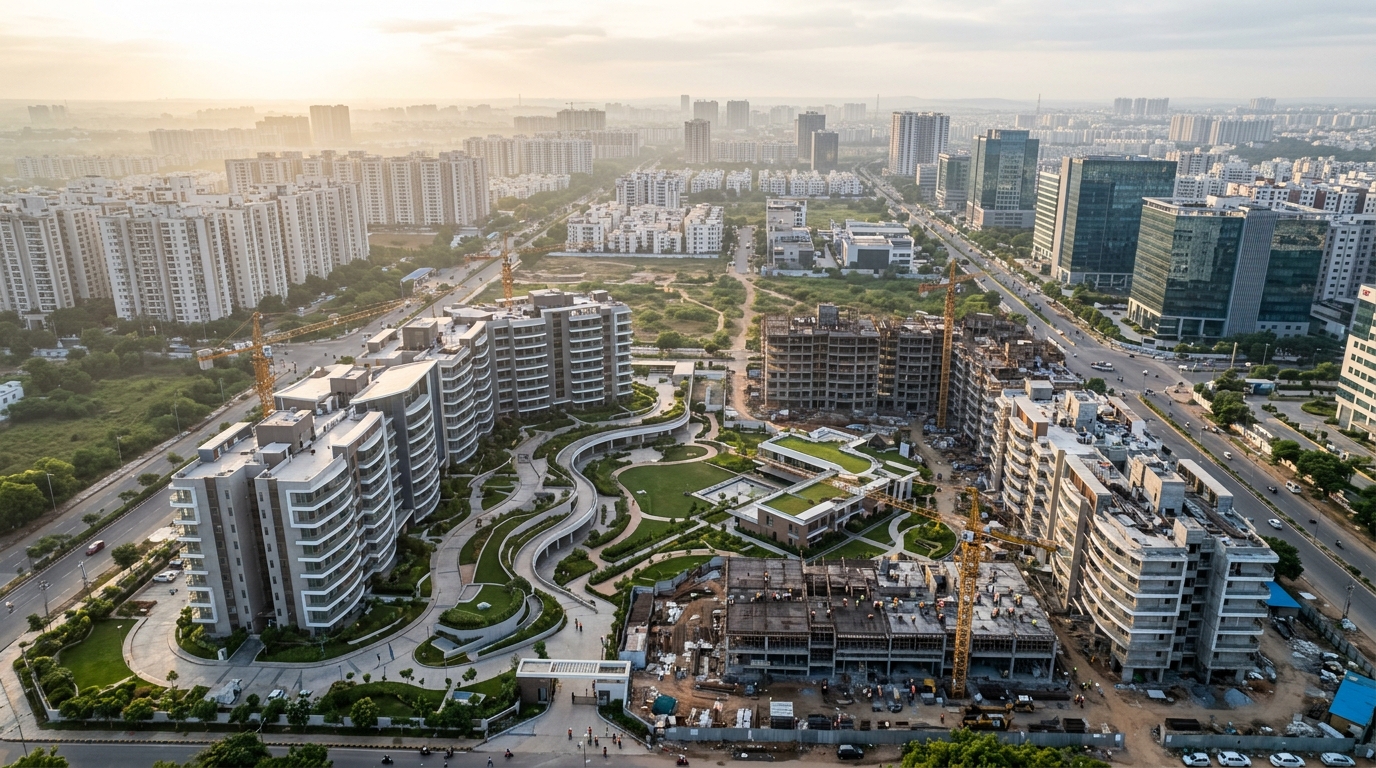
The Rise of Senior Living in Hyderabad
The Times of India's report highlights a major shift in Hyderabad's real estate landscape: senior-living communities are emerging as the next significant housing trend. This isn't just a niche market anymore; it's a burgeoning sector driven by changing demographics, increased life expectancy, and a growing desire for secure, community-focused living among the elderly. For developers and landowners, this presents a compelling opportunity to diversify portfolios and cater to a segment with specific needs and a willingness to invest in quality of life.
Traditionally, housing in India has been multi-generational. However, nuclear families and the increasing mobility of younger generations for work mean that seniors are often living independently or with spouses. The demand is shifting towards communities that offer not just housing, but a comprehensive ecosystem of care, social engagement, and specialized amenities designed for older adults. This includes features like accessible design, on-site medical support, recreational activities, and a strong sense of community, all of which command premium pricing.
Implications for Builders and Landowners
For builders, the senior living trend offers a chance to innovate and create specialized product offerings that can yield higher margins due to the value-added services. It requires a shift in design philosophy, focusing on universal design principles, safety features, and a continuum of care. The key is to move beyond mere construction and towards creating a lifestyle experience. This may involve partnerships with healthcare providers, wellness experts, and hospitality firms to offer a holistic solution.
Landowners, particularly those with strategically located parcels in or near established residential hubs, stand to benefit significantly. The development of senior living communities can revitalize areas and attract a demographic with stable purchasing power. Identifying land with good connectivity, proximity to healthcare facilities, and essential services will be paramount. Land leasing models or joint ventures with experienced senior living developers could be lucrative avenues. The potential for long-term recurring revenue from ancillary services also adds to the attractiveness of this sector for landowners.
- Opportunity for product differentiation and premium pricing.
- Potential for long-term recurring revenue from services.
- Land value appreciation in suitable locations.
- Diversification of development portfolios.
Construction Trends, Approvals, and Supply Pipeline
Construction for senior living communities demands a focus on accessibility, safety, and comfort. This translates to wider doorways, non-slip flooring, grab bars, emergency call systems, and thoughtfully designed common areas. Energy efficiency and low-maintenance materials are also crucial for long-term operational viability. The supply pipeline needs to consider the phased development of amenities and services, aligning with the evolving needs of residents.
Navigating the approval process for such specialized projects might require understanding specific local regulations or engaging with authorities to define the scope of such developments. Developers will need to build a robust supply chain for specialized construction materials and skilled labor capable of executing accessible design features. The demand-supply mismatch is likely to be significant as this sector is still nascent in Hyderabad, offering a first-mover advantage to well-prepared developers.
- Emphasis on universal design and accessibility features.
- Integration of smart home technology for safety and convenience.
- Sustainable and low-maintenance construction materials.
- Phased development to accommodate evolving resident needs.
Location-Specific Opportunities in Hyderabad
The demand for senior living is likely to be concentrated in well-developed and accessible areas of Hyderabad. Locations like Gachibowli, Kokapet, and the Financial District, known for their modern infrastructure, proximity to employment hubs, and established residential communities, are prime candidates. These areas attract a demographic with disposable income, many of whom may have retired from or are working in these high-growth sectors.
Furthermore, areas with a good concentration of healthcare facilities, reputable hospitals, and access to green spaces will be highly desirable. The psychological comfort of being close to familiar environments and essential services is a key consideration for seniors and their families. Developers should scout for land parcels that offer a balance of tranquility and connectivity, avoiding overly congested or remote areas.
- Gachibowli: Existing infrastructure, tech presence, and established residential appeal.
- Kokapet: Emerging as a premium residential destination with modern amenities.
- Financial District: Proximity to corporate hubs, attracting a financially stable demographic.
- Consideration for proximity to quality healthcare and lifestyle amenities.
Risks and Execution Challenges
Despite the immense potential, developers must be aware of the inherent risks and execution challenges. One of the primary challenges is the perception and acceptance of senior living communities, which may still be viewed as separate or isolating by some. Marketing and community engagement will be crucial to overcome this.
Operational complexity is another significant factor. Managing a senior living community involves more than just property maintenance; it requires expertise in healthcare coordination, activity programming, and resident care. The initial capital investment can also be substantial. Furthermore, attracting and retaining qualified staff, especially caregivers and medical professionals, will be an ongoing challenge. Market research and a deep understanding of the target demographic's needs and preferences are vital for successful execution and long-term viability.
- Overcoming market perception and promoting community integration.
- High initial capital investment and operational costs.
- Attracting and retaining skilled staff (caregivers, medical personnel).
- Ensuring regulatory compliance and evolving healthcare standards.
- Managing resident expectations and providing a high quality of life.
Source: The Times of India