Hyderabad's Residential Boom: Navigating the Surge in Demand and Supply Challenges
Published: July 2026
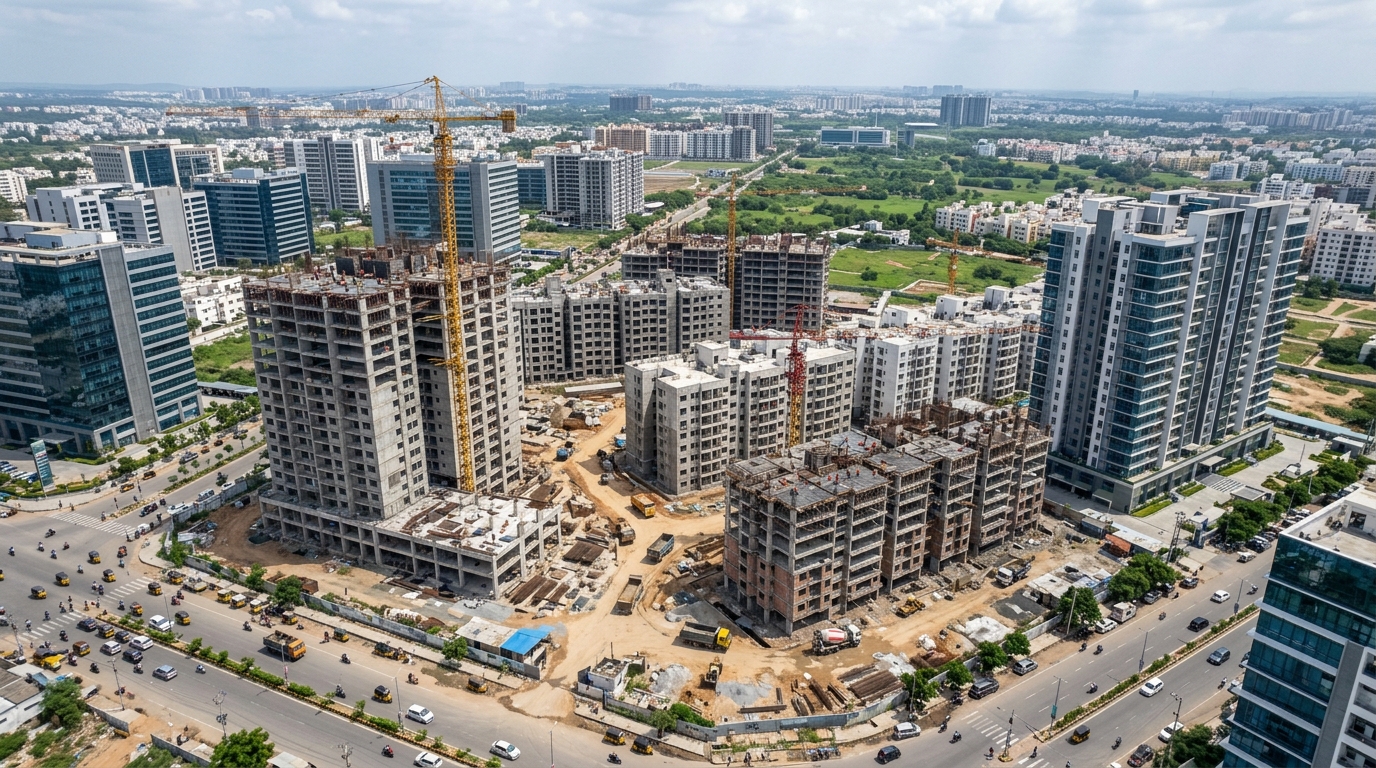
Unpacking the Hyderabad Property Surge: What Builders and Landowners Need to Know
The surge in residential property registrations in Hyderabad, as indicated by recent news, is a clear signal of a thriving real estate market. This isn't just a cyclical upswing; it reflects sustained economic growth and an increasing demand for housing in key urban centers. For builders, this translates to a strong buyer pipeline and the potential for higher sales velocity. Landowners, particularly in well-connected and developing areas, can leverage this demand to secure more favorable terms for joint ventures or outright sales. Understanding the underlying drivers of this demand, be it job creation, improved infrastructure, or a growing population, is crucial for capitalizing on this trend.
The continued influx of IT and other industries into Hyderabad is creating a consistent demand for residential units, especially for professionals seeking proximity to their workplaces. This sustained demand, coupled with potentially limited supply in prime locations, creates a favorable environment for developers who can deliver quality projects efficiently. Moreover, the robust registration numbers suggest a level of market liquidity that can support new project launches and ongoing sales.
Builders: Anticipate increased sales volumes and potentially higher profit margins.
Landowners: Explore opportunities for lucrative joint development agreements or property sales.
Strategic Location: Focus on areas with high employment density and good connectivity.
Construction Trends, Approvals, and the Supply Pipeline in Hyderabad
While the demand is evident, the ability to translate this into completed projects hinges on efficient construction and timely approvals. Developers must focus on streamlined construction methodologies to meet the burgeoning demand. This includes adopting pre-fabricated components where feasible, optimizing construction schedules, and ensuring robust supply chain management for essential materials. The current market dynamics may also favor projects that offer a blend of modern amenities and value for money, catering to a diverse buyer base.
The regulatory landscape for approvals can be a significant factor. Developers need to stay abreast of local municipal regulations and ensure their projects align with zoning laws and environmental clearances. Delays in approvals can lead to missed market windows and increased holding costs. Proactive engagement with authorities and a thorough understanding of the approval process are paramount. Furthermore, assessing the existing supply pipeline is critical. A market with a significant number of projects under construction can lead to increased competition and potential price pressures. Conversely, a supply-demand mismatch, where demand outstrips available inventory, offers greater pricing power.
Construction: Embrace pre-fabrication and agile project management.
Approvals: Maintain proactive communication with regulatory bodies.
Supply Chain: Diversify suppliers to mitigate risks and ensure material availability.
Market Analysis: Monitor competitor launches and inventory levels.
Prime Opportunities in Hyderabad: Gachibowli, Kokapet, and the Financial District
Specific micro-markets within Hyderabad are experiencing particularly strong growth, driven by the concentration of IT hubs and corporate offices. Gachibowli, Kokapet, and the broader Financial District are prime examples. These areas are not only attractive to end-users due to their proximity to employment centers and world-class infrastructure but also to investors due to their high rental yields and capital appreciation potential. Developers with a presence or those looking to enter these micro-markets can expect sustained interest from a discerning buyer segment seeking quality living spaces close to their work.
The development of integrated townships and mixed-use projects in and around these areas is becoming increasingly popular, offering a holistic living experience. The demand for premium residential offerings, including high-rise apartments and gated communities with modern amenities, is particularly pronounced in these sought-after locales. Land acquisition and development strategies in these prime areas will require careful consideration of the competitive landscape and the specific preferences of the target demographic.
Gachibowli: High demand due to IT companies and educational institutions.
Kokapet: Emerging as a premium residential and commercial hub.
Financial District: Focus on upscale residential offerings for corporate professionals.
Mixed-Use Development: Explore integrated projects for enhanced appeal.
Navigating Risks and Execution Challenges
Despite the positive market sentiment, developers must remain vigilant about potential risks. Execution challenges can arise from fluctuating material costs, labor availability, and unexpected regulatory changes. A robust financial planning framework, including contingency budgets, is essential. Furthermore, maintaining consistent quality throughout the construction process is paramount to building brand reputation and ensuring customer satisfaction. The competitive nature of the Hyderabad market also means that differentiation through unique project features, amenities, and customer service is key.
Financing can be another hurdle. Securing timely and adequate funding for projects is crucial, especially in a rapidly developing market where project timelines can be demanding. Understanding the funding landscape and building strong relationships with financial institutions is a strategic imperative. Finally, the ethical considerations and commitment to sustainable development practices are becoming increasingly important for long-term success and stakeholder trust.
Cost Volatility: Implement hedging strategies for material procurement.
Labor Shortages: Invest in skilled labor training and retention programs.
Regulatory Changes: Maintain flexibility in project planning.
Financing: Develop strong relationships with lenders and explore diversified funding options.
Sustainability: Integrate green building practices into project design and execution.
Source: regnews.in