Hyderabad's Residential Boom: Navigating Opportunities and Challenges in a Thriving Market
Published: October 2026
Decoding the Regulatory Environment and its Impact on Developers
The news from RegNews, indicating a dynamic regulatory environment, suggests a period of heightened scrutiny and potential streamlining of processes within Hyderabad's real estate sector. For builders and landowners, this translates to a dual opportunity: proactive engagement with evolving regulations can de-risk projects, while clarity on approval pathways can accelerate the supply pipeline. Landowners stand to benefit from increased developer interest, potentially leading to more favorable joint development agreements or outright sales, especially in areas anticipating significant growth.
The implication is clear: developers must stay abreast of regulatory changes, ensuring project compliance from the outset. This might involve investing in robust legal and planning teams to navigate any new mandates or fast-track approval mechanisms. For landowners, understanding these shifts can empower them to negotiate better terms, leveraging the anticipated demand from developers eager to tap into Hyderabad's growth story.
Proactive compliance with evolving building codes and environmental regulations.
Strategic partnerships with landowners in growth corridors.
Leveraging regulatory clarity for accelerated project approvals.
Construction Trends, Approvals, and the Supply Pipeline
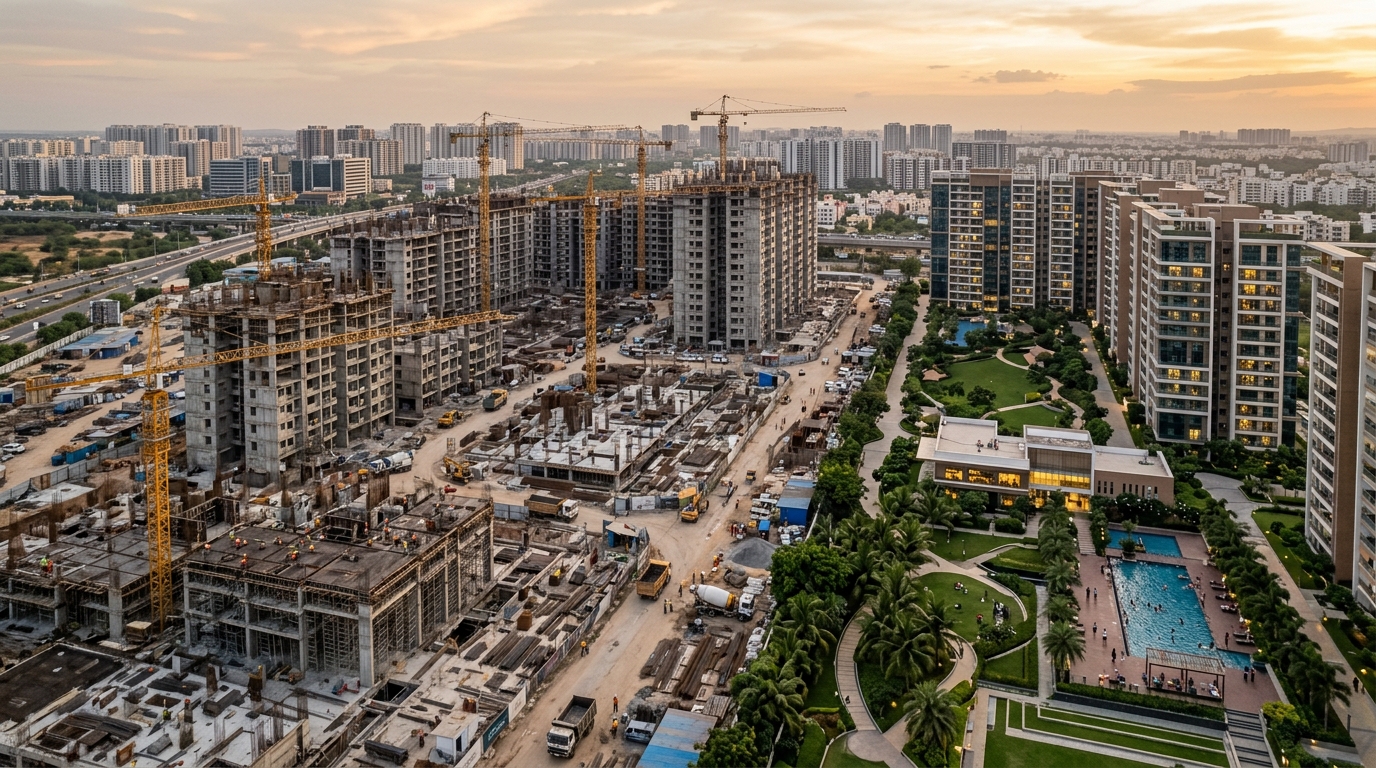
Hyderabad's construction landscape is marked by a persistent demand for quality residential spaces, often outstripping the immediate supply. This creates a favorable environment for developers who can efficiently bring projects to market. The ability to secure timely approvals is paramount, and any indication of streamlined processes from regulators can significantly impact the speed at which new inventory enters the market. This directly affects the construction pipeline, where efficient material sourcing, labor management, and adherence to timelines are critical for profitability.
Developers focusing on mid-segment to premium housing are likely to see sustained interest. The construction trends lean towards sustainable building practices, smart home technologies, and enhanced amenities that cater to a discerning buyer base. A potential supply-demand mismatch, particularly in sought-after micro-markets, means that projects with clear execution strategies and a strong understanding of local buyer preferences will be well-positioned for success.
Focus on sustainable and technology-enabled construction.
Expediting material procurement and labor management for faster project completion.
Addressing the existing supply-demand gap in prime residential locations.
Spotlight on Hyderabad's Growth Corridors: Gachibowli, Kokapet, and Financial District
The aforementioned news underscores the significance of Hyderabad's western growth corridor. Areas like Gachibowli, the Financial District, and the burgeoning residential hub of Kokapet are prime targets for development. These locations benefit from robust IT and business infrastructure, attracting a high-earning demographic seeking premium housing options. The demand for residential units here is consistently high, fueled by employment opportunities and a high quality of life.
Developers with a strategic focus on these specific locales can capitalize on established demand. Understanding the micro-market nuances, such as local amenities, connectivity, and the specific preferences of the IT/corporate workforce, will be crucial for project success. The availability of land, though becoming scarcer and more expensive, still presents opportunities, especially for integrated township developments or niche luxury projects.
Targeting the IT and corporate workforce in Gachibowli and Financial District.
Developing premium and integrated housing solutions in Kokapet.
Understanding local buyer preferences for amenities and connectivity.
Risks and Execution Challenges in a Dynamic Market
While the outlook for Hyderabad's real estate is positive, developers must remain cognizant of inherent risks. The primary challenge lies in execution: ensuring projects are delivered on time, within budget, and to the expected quality standards. Fluctuations in raw material costs, labor availability, and unforeseen regulatory shifts can impact profitability.
Furthermore, the competitive landscape in these prime areas requires differentiation. Developers must not only build but also effectively market their projects, creating a strong brand presence and customer trust. Navigating land acquisition complexities and ensuring robust legal due diligence are also critical to mitigate risks. A thorough understanding of the local construction ecosystem and strong relationships with suppliers and contractors are vital for smooth project execution.
Managing volatile raw material and labor costs.
Maintaining project timelines and quality amidst potential disruptions.
Differentiating projects in a competitive market through strong branding and marketing.
Ensuring robust legal due diligence and efficient land acquisition.
Source: regnews.in