Hyderabad's Real Estate Boom: A Deep Dive into Soaring Supply and the Rise of Premium Housing
Published: October 2026
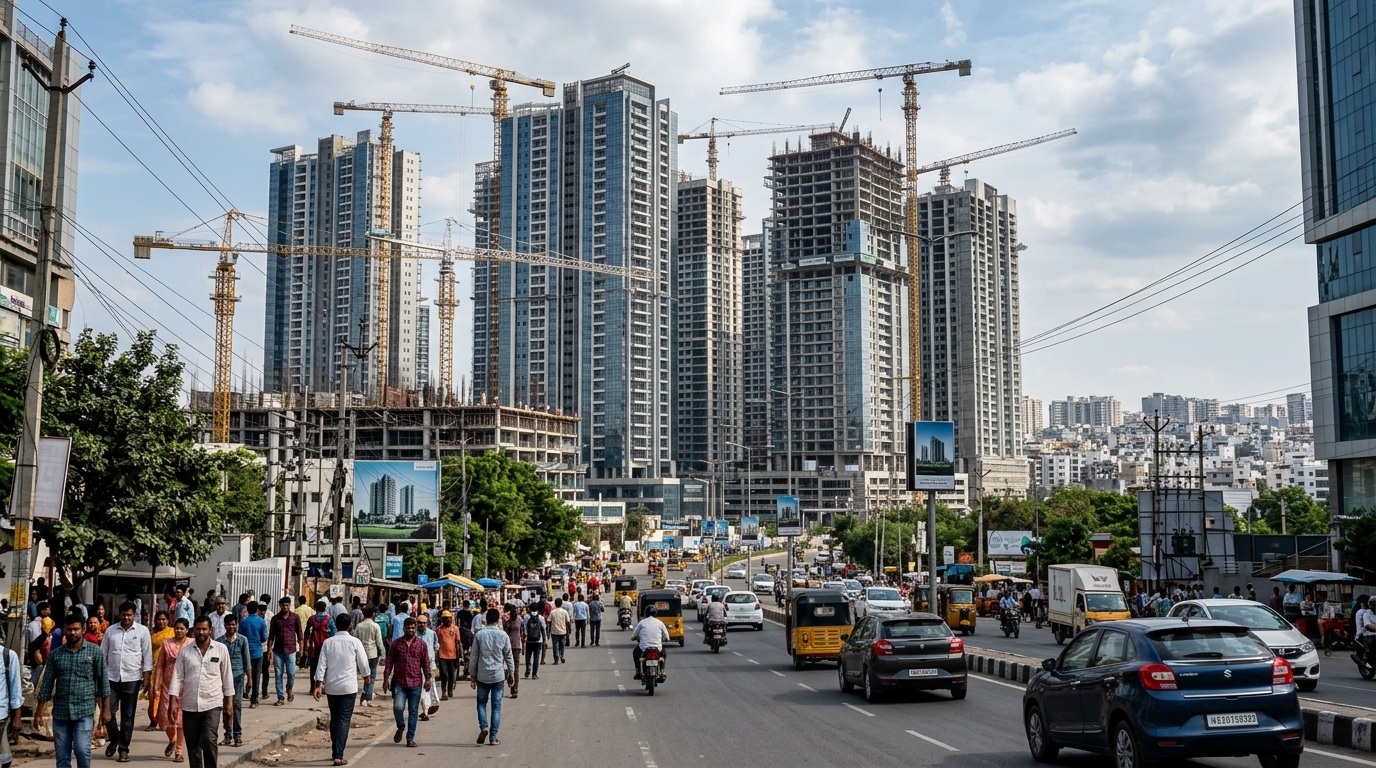
Unprecedented Supply Surge: Decoding the 120% Jump
Recent reports highlight a dramatic 120% increase in new housing supply in Hyderabad, signaling a robust period of development. This surge indicates a strong underlying confidence in the city's economic growth and its appeal as a real estate investment destination. From an investor's standpoint, this expansion presents both opportunities and challenges. While increased supply can lead to greater choice and potentially more competitive pricing, it also necessitates a keen understanding of demand drivers and absorption rates to mitigate risks.
The sheer scale of this supply augmentation suggests that developers are betting on sustained demand, likely fueled by Hyderabad's burgeoning IT sector, its attractiveness to a skilled workforce, and a generally pro-business environment. For institutional investors, this heightened activity warrants a close examination of project pipelines, developer track records, and the specific sub-markets where this new supply is concentrated.
The Luxury Segment Takes Center Stage: Rs 2.5 Crore+ Homes Capture 23% Share
A particularly noteworthy trend is the significant market share (23%) now held by homes priced above Rs 2.5 Crore. This indicates a growing affluent demographic in Hyderabad and a shifting preference towards premium living experiences. This segment is often less sensitive to broader economic downturns and appeals to a more discerning buyer, including high-net-worth individuals and expatriates. For institutional investors, this concentration in the premium bracket signifies a potential for higher rental yields and capital appreciation, provided the developments offer superior amenities, design, and location.
The rise of the luxury segment can be attributed to several factors, including increased disposable incomes, a desire for larger living spaces, and the availability of world-class amenities. Developers are responding by launching projects that emphasize exclusivity, technology integration, and lifestyle offerings. This trend aligns with global real estate patterns where established economic hubs see a growing demand for high-end properties.
Market Implications: Demand, Supply, and Pricing Dynamics
The surge in supply, coupled with the growing demand for premium homes, creates a dynamic market landscape. While increased supply can temper price growth in the mass-market segment, the strong performance of the luxury sector suggests that prices in this niche are likely to remain firm or even see upward pressure. Investors should monitor absorption rates closely; a rapid absorption of new units would validate the current supply surge and signal continued market strength.
Conversely, a slower absorption rate for the new supply, especially in the mid-to-high segments, could lead to increased inventory and potential price corrections. The demand for homes above Rs 2.5 Crore suggests a robust job market and a growing base of professionals earning substantial incomes, particularly in knowledge-based industries. This sustained demand for premium housing is a key indicator of the city's economic vitality.
Increased supply could lead to a diversification of housing options.
The premium segment's strength suggests robust demand from affluent buyers.
Absorption rates will be critical in assessing market equilibrium.
Institutional Investor Perspective: Navigating Capital Flows
For institutional investors, Hyderabad presents a compelling case for capital deployment. The city's consistent economic growth, particularly in the IT and allied sectors, provides a fertile ground for real estate investments. The significant influx of new supply, especially in the premium segment, offers opportunities for diversification within portfolios. However, due diligence is paramount. Investors should focus on understanding the specific micro-markets that are witnessing this growth, the credibility of developers launching these projects, and the long-term rental and resale potential of these properties.
The trend towards luxury housing could also attract foreign direct investment (FDI) looking for stable, high-return assets. Institutional players might consider forming joint ventures with established developers or investing in Real Estate Investment Trusts (REITs) with significant exposure to Hyderabad's premium residential projects. The key will be to identify projects with a clear value proposition that resonates with the target demographic and to anticipate future demand trends.
Opportunities for portfolio diversification in the premium segment.
Focus on credible developers and micro-market analysis.
Potential for attracting FDI into high-value residential assets.
Micro-Market Focus: Gachibowli, Kokapet, and the Financial District
The surge in supply and the concentration of premium housing are likely to be most pronounced in Hyderabad's prime growth corridors. Areas like Gachibowli, Kokapet, and the Financial District, known for their IT hubs and the presence of a high-earning workforce, are expected to be the epicenters of this development. These micro-markets benefit from established infrastructure, proximity to employment centers, and a concentration of amenities catering to a discerning clientele.
Investors should pay close attention to the specific absorption patterns and pricing trends within these micro-markets. The availability of land, regulatory approvals, and the pace of infrastructure development will also play a crucial role in determining the long-term viability of new projects in these areas. A granular understanding of each micro-market's unique supply-demand dynamics is essential for making informed investment decisions.
Gachibowli: Proximity to IT parks and established infrastructure.
Kokapet: Emerging as a premium residential destination.
Financial District: Synergies with commercial and residential development.
Policy and Regulatory Environment
While the news article does not explicitly detail policy impacts, a thriving real estate market often benefits from supportive government policies. Initiatives aimed at ease of doing business, infrastructure development, and affordable housing can indirectly boost the overall market, including the premium segment, by fostering economic growth and attracting talent. For institutional investors, a stable regulatory framework, transparent land acquisition processes, and timely project approvals are critical factors that influence capital allocation decisions. Any policy shifts or new regulations impacting construction, sales, or property ownership in Hyderabad could have a direct bearing on the investment climate.
Developers' ability to launch such a significant volume of new supply is often facilitated by a conducive regulatory environment. Streamlined approval processes and clear guidelines for development are crucial. Furthermore, government focus on urban infrastructure development in key growth corridors, such as those mentioned above, directly supports the viability and appeal of new residential projects. Investors should monitor any government initiatives related to real estate, urban planning, and economic development in Hyderabad.
Supportive policies can fuel economic growth, benefiting real estate.
Stable regulatory frameworks are crucial for institutional investment.
Infrastructure development in growth corridors enhances project viability.
Source: NDTV Profit