Hyderabad's Luxury Real Estate: Unveiling the 'Hidden' Factor in Wastewater Management
Published: October 2026
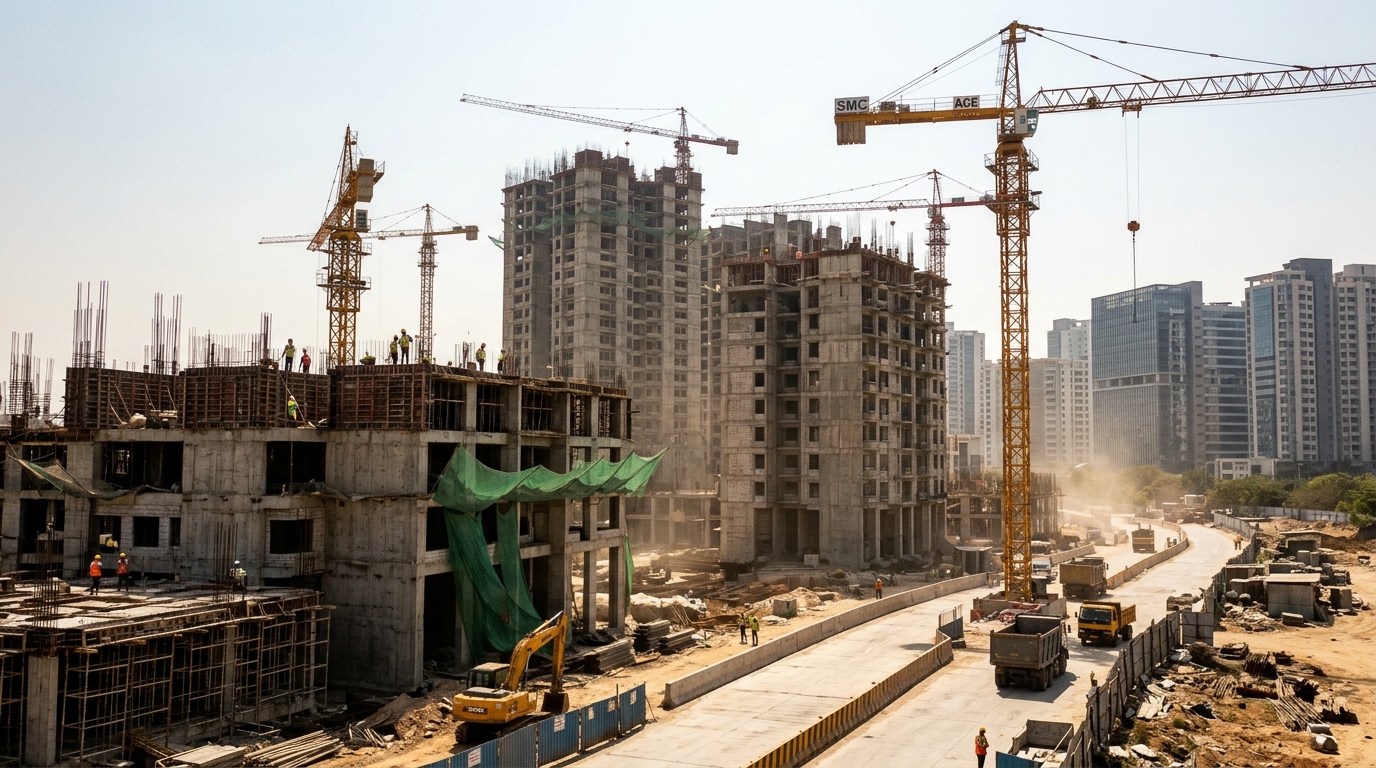
The Unseen Engine of Luxury: Why Wastewater Matters
The allure of Hyderabad's luxury residential market, driven by a thriving IT sector and a growing affluent population, has consistently attracted significant capital. However, the sustainability and long-term livability of these high-value developments are intrinsically linked to their underlying infrastructure. INDToday's advisory to luxury homebuyers to scrutinize wastewater management systems underscores a critical point: overlooked infrastructure can lead to significant future costs and reputational damage for both residents and developers.
From an investment perspective, this translates directly into risk assessment. Developments with inadequate or outdated wastewater treatment facilities are likely to face higher maintenance costs, potential environmental fines, and a diminished resale value. This is particularly relevant in rapidly developing zones like Gachibowli, Kokapet, and the Financial District, where the pace of construction often outstrips the proactive development of essential utilities.
- Impact on property value and resale potential.
- Increased operational and maintenance costs for developers and residents.
- Potential for environmental non-compliance and associated penalties.
Institutional Investor Lens: Prioritizing ESG and Long-Term Value
Institutional investors, increasingly focused on Environmental, Social, and Governance (ESG) criteria, will view this news with keen interest. For them, investing in luxury real estate is not just about premium amenities and locations, but also about the resilience and sustainability of the asset. A robust wastewater management system is a fundamental indicator of responsible development and a commitment to long-term asset performance.
Developers who proactively address and highlight their advanced wastewater treatment solutions will gain a competitive edge. This can influence capital allocation, with funds likely to favor projects that demonstrate a holistic approach to development, integrating sustainable infrastructure as a core component of their value proposition. The ability to secure approvals and operate without future regulatory hurdles related to sanitation is a significant de-risking factor for institutional capital.
- ESG compliance driving investment decisions.
- Preference for developers with demonstrable commitment to sustainable infrastructure.
- Risk mitigation through proactive utility planning.
- Potential for premium pricing on well-managed, sustainable luxury properties.
Market Implications: Demand, Supply, and Pricing Dynamics
The INDToday report subtly shifts the focus of demand in Hyderabad's luxury segment. While high-end finishes and expansive spaces remain paramount, a growing segment of informed buyers will begin to factor in the 'invisible' infrastructure. This could lead to a bifurcated market, where properties with superior wastewater management command a premium, while those lacking it face pricing stagnation or even depreciation.
In terms of supply, developers who integrate advanced wastewater treatment technologies into their designs from the outset will be better positioned to meet evolving market expectations and regulatory landscapes. This may necessitate higher upfront investment but will yield long-term benefits in terms of marketability and operational efficiency. The regulatory environment, while not explicitly detailed in the news, will likely see increased scrutiny on sanitation infrastructure, potentially leading to stricter building codes and approval processes.
- Emergence of a 'sustainability premium' for luxury homes.
- Increased demand for transparent disclosure on infrastructure.
- Developer advantage for those integrating advanced wastewater solutions.
- Potential for future regulatory enhancements in sanitation standards.
Micro-Market Spotlight: Gachibowli, Kokapet, and the Financial District
These prime Hyderabad micro-markets, characterized by their rapid development and concentration of high-net-worth individuals, are at the forefront of this trend. The influx of premium residential projects in Gachibowli, the sprawling luxury enclaves in Kokapet, and the corporate-driven demand in the Financial District necessitate a concurrent upgrade in essential services. Developers and buyers in these areas must be particularly diligent.
Any developer failing to adequately address wastewater management in these high-stakes markets risks alienating both potential residents and institutional investors. The reputation of these zones as hubs of innovation and affluence can be undermined by basic infrastructure shortcomings. Conversely, those who lead in sustainable development practices will solidify their position as leaders in Hyderabad's luxury real estate landscape.
- High concentration of luxury developments requires robust infrastructure.
- Reputational risk for projects with inadequate sanitation.
- Opportunity for developers to differentiate through sustainable practices.
- Increased due diligence expected from buyers and investors in these areas.
Source: INDToday