Hyderabad's Land Rush: Rs 237 Crore Per Acre Redefines Development Strategy
Published: June 2026
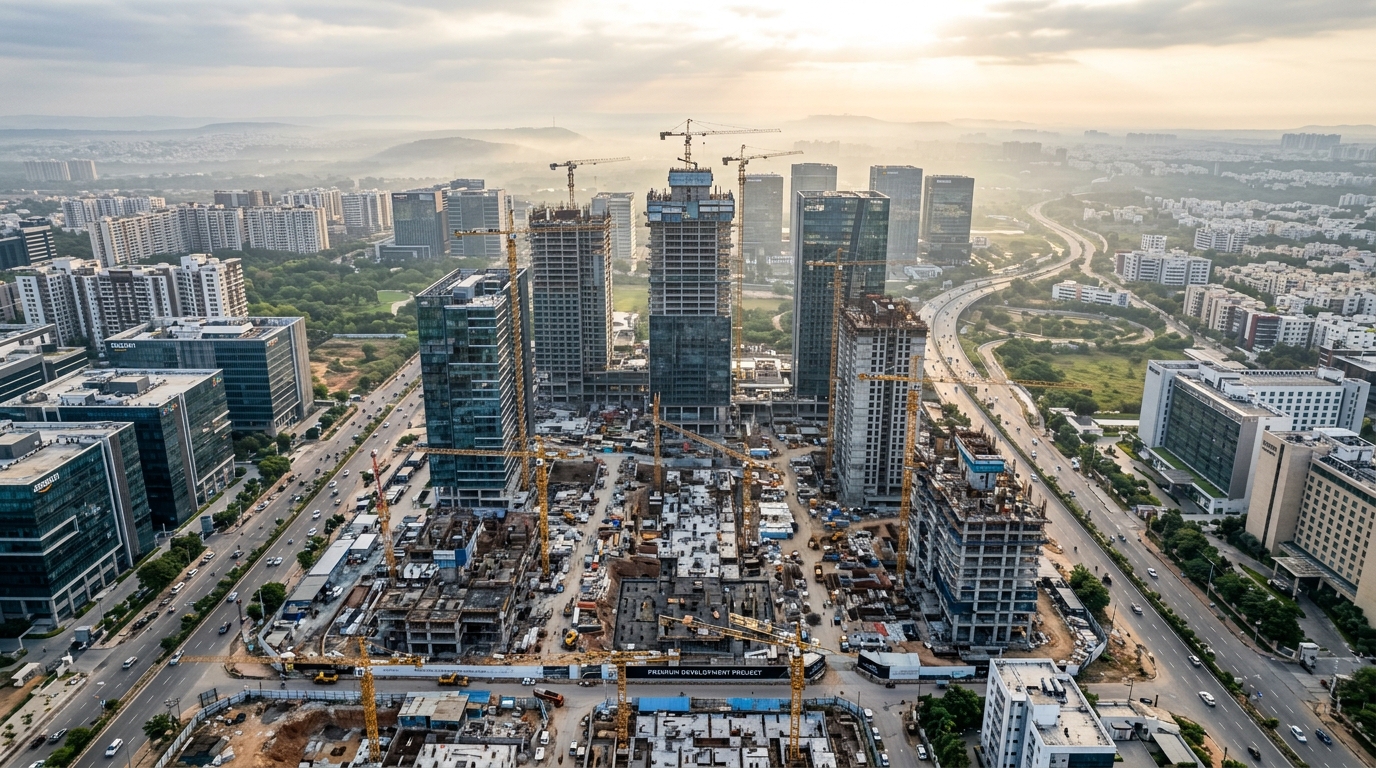
Implications for Developers and Landowners
The Rs 237 crore per acre valuation is a stark indicator of the premium placed on prime Hyderabad real estate, particularly in the growth corridors. For developers, this means a significant upward pressure on project costs, necessitating a laser focus on ultra-luxury or high-density, high-value projects to ensure profitability. The margin for error has shrunk considerably. This record deal also fuels the demand for more land, pushing up acquisition costs across the board. Developers need to be agile, exploring joint ventures, strategic acquisitions, or even pre-leasing models to de-risk their investments.
Landowners in coveted areas now hold considerable leverage. However, simply holding out for the highest bid might not be the most strategic long-term play. Understanding the developer's vision, the project's feasibility, and potential revenue-sharing models can unlock greater value than a one-time sale. Entering into partnerships with reputable developers who have a proven track record of execution in this demanding market is crucial. This record price also highlights the importance of identifying and securing land parcels well in advance of immediate development plans.
Developers: Focus on high-margin luxury, optimize construction costs, explore JV/acquisition strategies.
Landowners: Leverage for partnerships, understand developer capabilities, explore revenue-sharing models.
Both: Proactive land acquisition, market intelligence on micro-market trends.
Construction Trends, Approvals, and Supply Pipeline
The unprecedented land values will inevitably drive construction towards premium and ultra-luxury segments. Expect a surge in demand for bespoke residences, high-end amenities, and smart home technologies. Developers will need to expedite their approval processes to capitalize on market momentum, potentially facing increased scrutiny from authorities given the high-value nature of projects. The current supply pipeline, while robust in some areas, might not be sufficient to meet the projected demand at these price points, especially in hyper-growth corridors like Gachibowli and Kokapet.
The supply-demand mismatch is a critical factor here. As land becomes scarcer and more expensive, the pace of new project launches might slow down unless developers can secure contiguous parcels or undertake phased developments. This scarcity will further inflate prices of completed units and pre-launches. Builders must factor in longer gestation periods for land acquisition and approvals while planning their supply chain and construction timelines.
Construction: Emphasis on luxury finishes, smart technology, and unique amenities.
Approvals: Streamlined processes and proactive engagement with regulatory bodies are essential.
Supply Pipeline: Potential bottleneck in prime locations, requiring strategic land banking and phased launches.
Market Dynamics: Expect continued price appreciation driven by scarcity and sustained demand.
Location-Specific Opportunities in Hyderabad
The Rs 237 crore per acre deal is likely situated in or near Hyderabad's most sought-after commercial and residential hubs. Areas like Gachibowli, Kokapet, and the Financial District are prime contenders. These locations benefit from a robust IT and financial services ecosystem, attracting a high-earning demographic with disposable income for luxury housing. The concentration of multinational corporations and the development of world-class infrastructure in these zones create an inherent demand for premium living spaces.
Developers targeting these micro-markets should focus on understanding the specific needs of the expatriate and high-net-worth individual (HNI) populations. Projects offering integrated lifestyle amenities, proximity to international schools, and seamless connectivity will command a premium. The limited availability of land in these established prime areas makes any new development a high-stakes, high-reward proposition. Exploring vertical expansion or niche developments like serviced apartments or premium co-living spaces could also be viable strategies.
Gachibowli & Financial District: Prime for IT professionals and MNC employees, focus on modern amenities and connectivity.
Kokapet: Emerging luxury residential hub, opportunity for large-scale integrated developments.
Investment Focus: High-net-worth individuals and expatriates are key target demographics.
Competitive Edge: Unique architectural designs, sustainable features, and branded residences.
Risks and Execution Challenges
The elevated land costs introduce significant financial risks. Developers must ensure robust financial planning and secure adequate funding to manage higher upfront capital expenditure. Market downturns, if they occur, could be particularly punishing at these price points. Executing ultra-luxury projects requires a different skillset, demanding impeccable quality control, sophisticated project management, and a deep understanding of the discerning buyer's expectations. Any lapse in quality or delivery timelines could severely damage brand reputation and future sales.
Navigating complex regulatory landscapes and obtaining timely approvals can also pose a significant challenge, especially in prime, densely developed areas. Community engagement and managing local stakeholder expectations are critical. Furthermore, the increasing cost of construction materials and skilled labor can add to cost overruns. Developers need to build strong relationships with reliable contractors and suppliers, and implement stringent cost control measures to mitigate these risks and ensure successful project delivery in this hyper-competitive and high-stakes market.
Financial Risk: High upfront investment, vulnerability to market fluctuations.
Execution Risk: Maintaining luxury standards, timely delivery, quality control.
Regulatory Hurdles: Complex approval processes, stakeholder management.
Operational Challenges: Material costs, labor availability, supply chain management.
Source: Gulte