Hyderabad's Infrastructure Boom: Unlocking Prime Opportunities for Developers
Published: October 2026
The Impact on Builders and Landowners
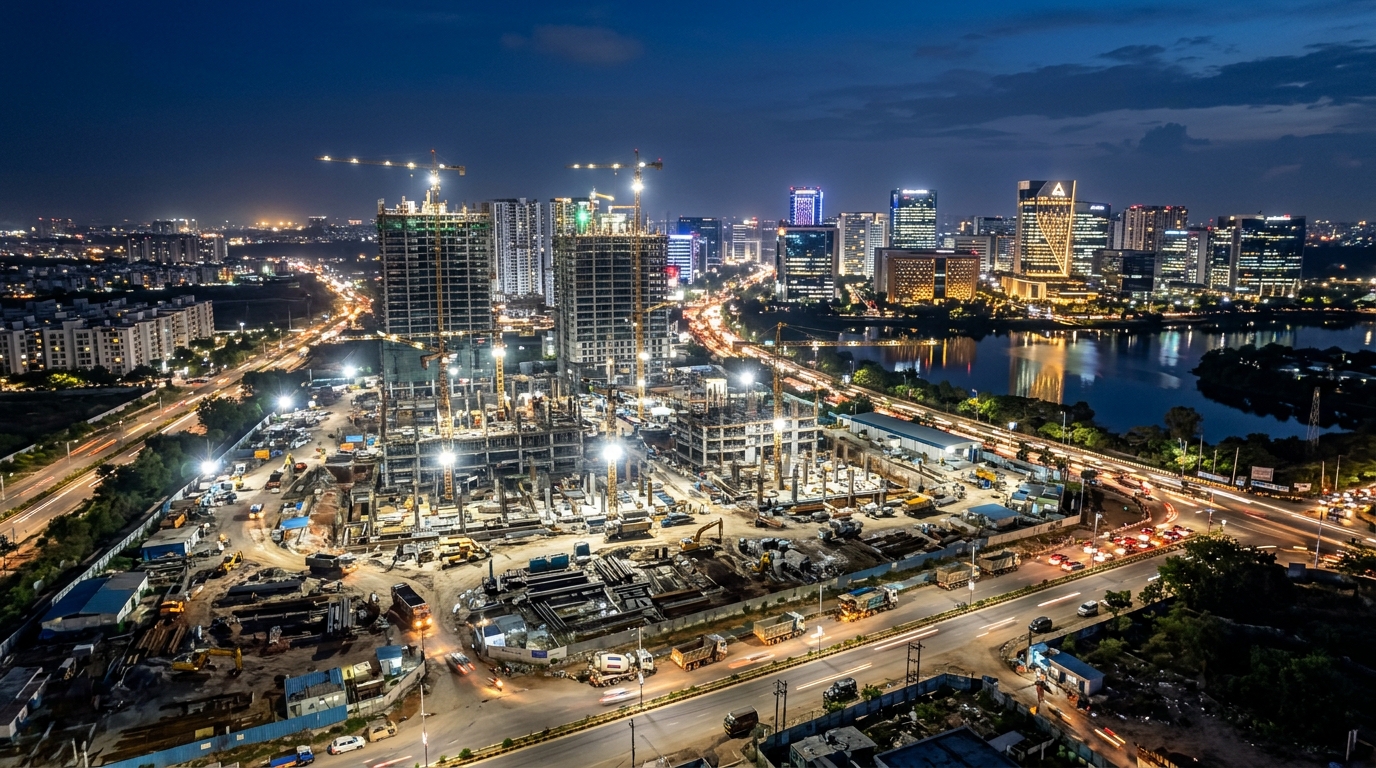
The accelerated pace of infrastructure projects, as highlighted by recent news, signifies a profound shift for the real estate ecosystem. For builders, this translates to increased demand for residential, commercial, and retail spaces. Enhanced connectivity and improved public amenities directly correlate with higher property values and faster absorption rates. Developers can anticipate a more robust sales pipeline, especially in areas slated for significant infrastructure upgrades. Landowners stand to benefit immensely as their plots gain value due to proximity to these new amenities and improved accessibility. Strategic land acquisition and partnerships with developers will be key to capitalizing on this growth.
The focus on infrastructure development is a clear signal of anticipated population growth and economic expansion. This demand-supply dynamic creates a fertile ground for speculative investment and long-term asset appreciation. Developers who can align their project timelines with the completion of these infrastructure projects will be best positioned to capture market share and achieve premium pricing.
- Increased demand for residential and commercial spaces.
- Higher property values due to improved connectivity and amenities.
- Faster absorption rates for completed projects.
- Significant value appreciation for well-located land parcels.
- Opportunities for joint ventures and land banking.
Construction Trends, Approvals, and Supply Pipeline
The current infrastructure push implies a greater reliance on efficient construction methodologies and material supply chains. Developers should anticipate increased demand for skilled labor and a need for robust logistics to support ongoing projects. While the news doesn't explicitly detail approval timelines, a government-driven infrastructure surge often comes with streamlined processes for allied real estate development. Builders should proactively engage with local authorities to understand any new guidelines or expedited approval pathways. The supply pipeline for construction materials, particularly for large-scale projects, will be under pressure. Forward-thinking developers will secure their supply chains and potentially explore innovative, sustainable building materials to mitigate risks and enhance project efficiency.
The construction industry will likely see a greater adoption of pre-fabricated components and modular construction techniques to accelerate project delivery. This, coupled with advancements in digital construction management, will be crucial for meeting the heightened demand. Staying abreast of these trends will be essential for maintaining a competitive edge.
- Increased demand for skilled labor and construction materials.
- Potential for streamlined real estate approval processes.
- Need for robust logistics and supply chain management.
- Adoption of pre-fabricated and modular construction techniques.
- Emphasis on sustainable building materials and practices.
Location-Specific Opportunities in Hyderabad
Hyderabad's western corridor, encompassing Gachibowli, Kokapet, and the Financial District, is already a hub of economic activity. The ongoing infrastructure development, particularly the expansion of arterial roads, elevated corridors, and public transport networks in these areas, will further cement their status as prime real estate destinations. Gachibowli and the Financial District are poised for continued growth in commercial and IT spaces, driving demand for adjacent residential and retail developments. Kokapet, with its potential for large-scale integrated townships, offers a unique opportunity for developers to create self-sustaining communities. The enhanced connectivity will make these areas even more attractive for both businesses and residents, creating a strong supply-demand mismatch that developers can exploit.
Developers should consider integrated projects that cater to the evolving needs of the workforce in these burgeoning IT and financial hubs. This includes a blend of premium residential apartments, co-working spaces, retail outlets, and lifestyle amenities.
- Gachibowli: Continued demand for IT/commercial spaces and related residential developments.
- Kokapet: Opportunity for large-scale integrated townships and master-planned communities.
- Financial District: Sustained growth in premium office spaces, driving demand for luxury residences.
- Enhanced connectivity will increase desirability across all these micro-markets.
- Focus on creating mixed-use developments to cater to evolving lifestyle needs.
Risks and Execution Challenges
While the opportunities are significant, developers must navigate potential risks. Delays in infrastructure project completion can impact project timelines and sales momentum. Fluctuations in construction material costs and labor availability remain perennial challenges. Furthermore, navigating the regulatory landscape and securing all necessary approvals, even with potential streamlining, requires meticulous planning and execution. Developers must also contend with increased competition as more players enter these lucrative markets. Thorough market research, robust financial planning, and a proactive approach to risk mitigation will be crucial for successful project execution.
The risk of oversupply in niche segments or in areas not directly benefiting from the infrastructure improvements also needs to be carefully assessed. A phased development approach and a focus on creating unique value propositions will be key differentiators.
- Potential delays in infrastructure project completion.
- Volatility in material costs and labor availability.
- Navigating complex regulatory environments and approval processes.
- Intensifying competition in high-growth corridors.
- Risk of oversupply in less-connected or saturated sub-markets.
- Ensuring quality and timely delivery amidst accelerated development.
Source: regnews.in