Hyderabad's Housing Boom: Navigating Growth and Opportunity for Developers
Published: July 2026
Implications for Builders and Landowners: A Strategic Outlook
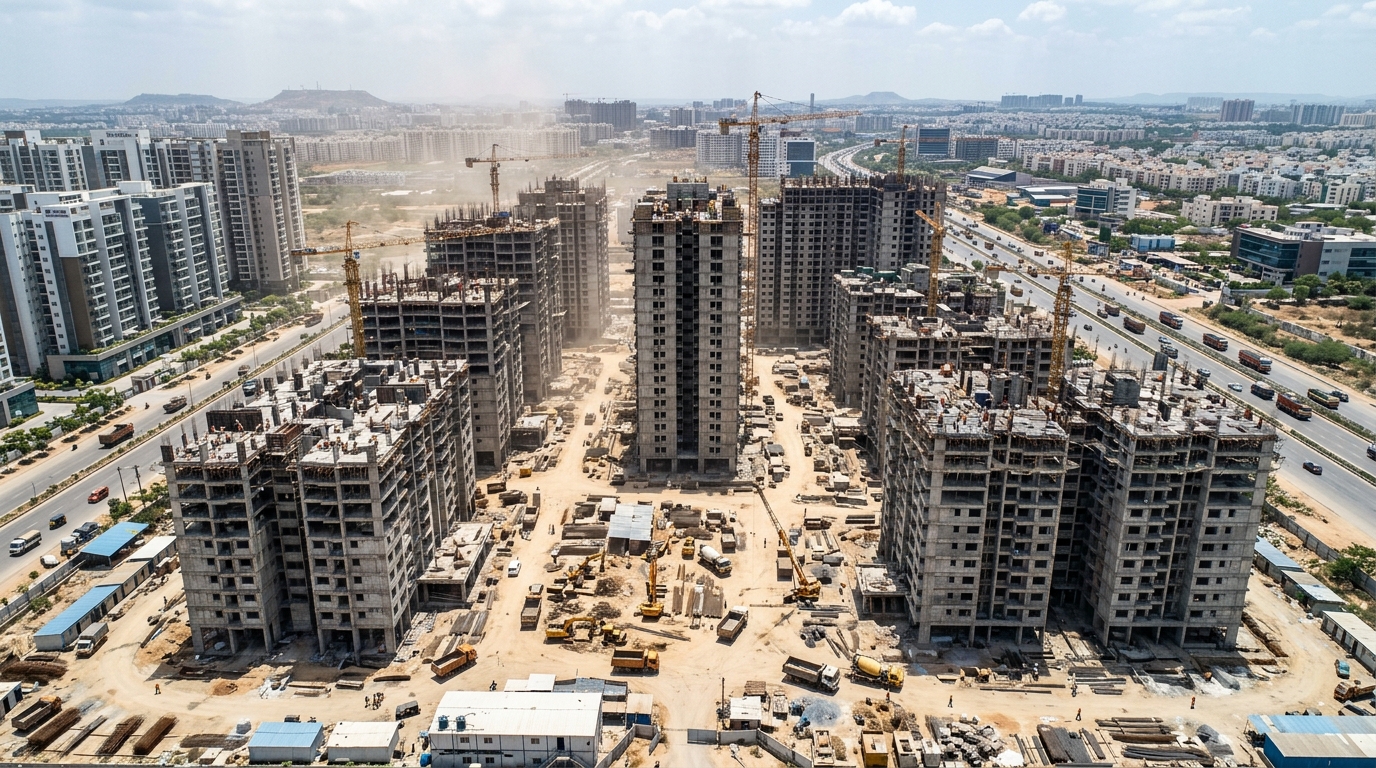
Hyderabad's leading position in new housing supply growth is a clear indicator of developer confidence and a strategic bet on the city's economic trajectory. For builders, this presents a prime opportunity to capitalize on an expanding market. The surge in launches suggests a proactive approach to meeting anticipated future demand, especially in burgeoning micro-markets. Landowners in and around Hyderabad should view this trend as a favorable environment for development, with increased potential for land acquisition and joint development agreements. However, it's crucial to assess the absorption capacity of specific micro-markets to avoid oversupply.
While the news mentions moderation in home sales, this could be a seasonal or cyclical factor, not necessarily an indication of waning long-term demand. Developers who can offer differentiated products, innovative designs, and value-added amenities are likely to outperform. Understanding buyer demographics and their evolving preferences, particularly in the mid-to-premium segments, will be key to successful project execution and sales.
- Identify high-growth corridors with strong employment generation.
- Focus on product innovation and unique selling propositions.
- Engage in proactive land banking and strategic partnerships.
- Monitor evolving buyer preferences and affordability.
Construction Trends, Approvals, and the Supply Pipeline
The significant growth in new housing supply implies a robust pipeline of construction projects in various stages of development. This necessitates an efficient and agile construction ecosystem, from labor availability to material procurement. Developers need to ensure their supply chains are resilient and cost-effective. Streamlined approval processes at the municipal level are critical to sustaining this growth momentum; any bottlenecks could impede the pace of new launches and deliveries.
The focus on new supply growth suggests a proactive approach to addressing potential future demand gaps. It's essential for builders to maintain a keen eye on market absorption rates to ensure a healthy supply-demand balance. Projects that are well-timed and aligned with infrastructure development will likely see better traction. The trend also points towards increased activity in the pre-launch and launch phases, offering early-mover advantages for both developers and discerning buyers.
- Optimize construction timelines and resource management.
- Lobby for streamlined and transparent approval processes.
- Diversify construction materials and techniques for efficiency.
- Maintain a healthy balance between new launches and sales velocity.
Location-Specific Opportunities: Hyderabad's Hotspots
Hyderabad's real estate market is characterized by distinct growth engines. While the article doesn't specify, areas like Gachibowli, Kokapet, and the Financial District are prime examples of where this supply growth is likely concentrated. These zones are hubs for IT and business services, attracting a steady influx of professionals and creating sustained demand for residential properties. Developers focusing on these micro-markets can leverage the existing infrastructure and employment opportunities.
The demand in these areas is often for high-quality, contemporary housing catering to a discerning professional clientele. This includes mid-rise apartments, gated communities, and potentially premium villas. Developers should consider integrated living solutions that offer convenience, lifestyle amenities, and proximity to workplaces. The continued expansion of these business districts fuels the need for adjacent residential supply, making them lucrative, albeit competitive, markets for focused development.
- Target residential projects in proximity to IT corridors (Gachibowli, Financial District).
- Develop housing options catering to IT professionals and their families.
- Explore mixed-use developments integrating residential and commercial spaces.
- Consider the demand for plotted developments in emerging peripheral areas.
Risks and Execution Challenges: Navigating the Path Forward
Despite the optimistic outlook, developers face several risks. The primary challenge is the potential for oversupply in specific pockets if market absorption doesn't keep pace with new launches, leading to price stagnation or correction. Economic downturns, changes in government policy, and interest rate hikes can also impact buyer sentiment and affordability, slowing down sales velocity. Execution risk, including delays in construction, cost escalations due to material price volatility, and labor shortages, remains a constant concern.
Navigating the regulatory landscape and obtaining timely approvals can also be a significant hurdle. Furthermore, increased competition means developers must differentiate their offerings effectively. A robust sales and marketing strategy, coupled with efficient project management and a strong financial footing, is essential for mitigating these risks and ensuring successful project delivery in Hyderabad's dynamic real estate market.
- Mitigate oversupply risks through meticulous market research and phased launches.
- Implement robust cost control measures and contingency planning.
- Secure adequate funding to manage project timelines and potential delays.
- Stay abreast of regulatory changes and ensure compliance.
- Focus on building strong customer relationships and brand reputation.
Source: AP7AM