Hyderabad's Commercial Real Estate Surge: Decoding the Impact of a Landmark Deal
Published: June 2026
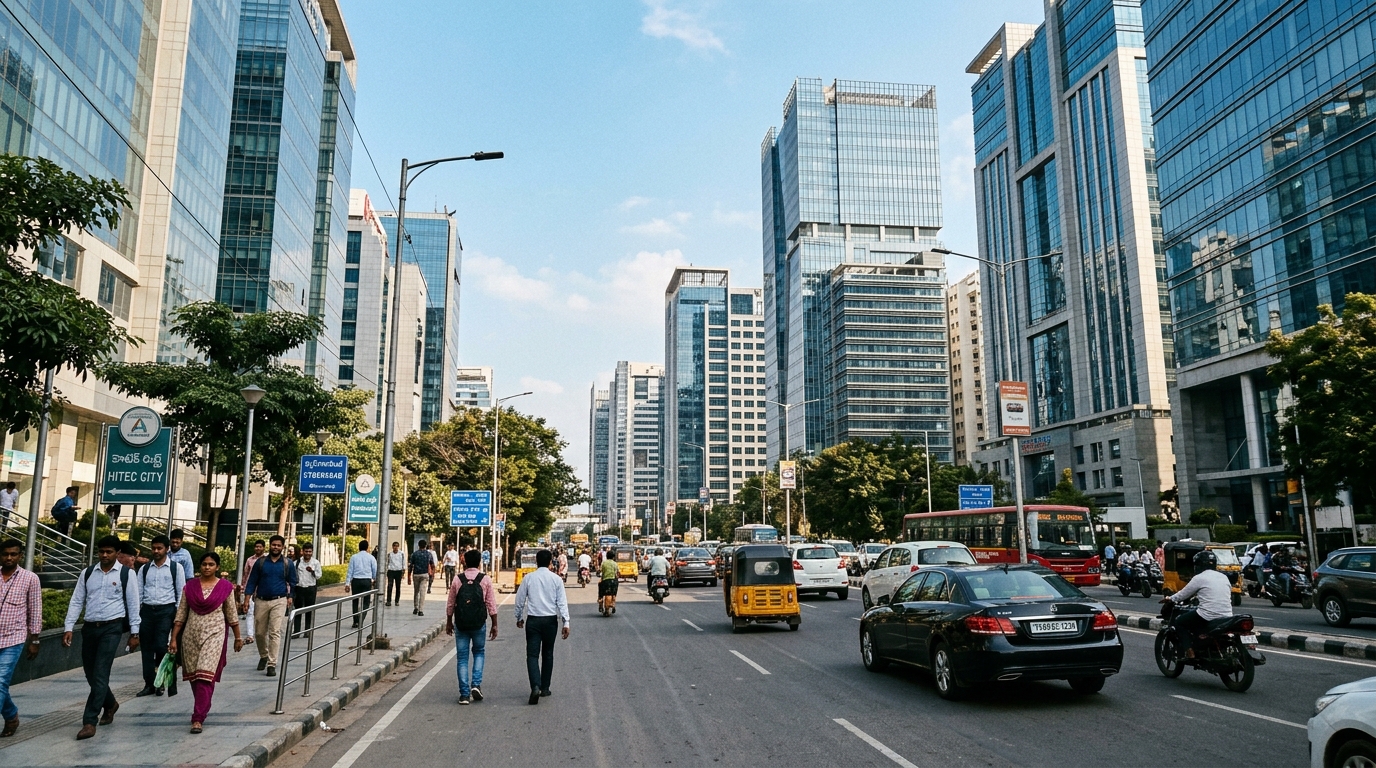
Market Implications: Demand, Supply, and Pricing Dynamics
The recent multi-acre land acquisition by an institutional investor in Hyderabad's burgeoning commercial hubs is a strong indicator of sustained demand for Grade A office spaces. Such large-scale transactions typically precede significant development, directly impacting future supply. Historically, areas experiencing substantial investment like this have seen upward pressure on rental values due to limited existing supply and escalating demand from occupiers, particularly in sectors like IT/ITeS and BFSI.
This acquisition, often a precursor to a large-scale commercial development (e.g., office towers, mixed-use projects), will contribute to the Grade A office supply pipeline. However, the immediate effect is often a tightening of available prime land, potentially leading to higher land acquisition costs for subsequent developers. The long-term impact on pricing will depend on the absorption rate of the new supply and the continued growth trajectory of Hyderabad's corporate ecosystem.
- Increased demand for Grade A office space.
- Potential for rental appreciation in prime micro-markets.
- Impact on future supply pipelines.
Institutional Investor Perspective and Capital Flows
This transaction underscores Hyderabad's attractiveness to institutional investors, highlighting their long-term conviction in the city's commercial real estate fundamentals. Such investments are driven by predictable rental income, capital appreciation potential, and the opportunity to partner with reputable developers for large-scale projects. The sheer scale of this deal suggests a significant capital deployment, signaling a positive outlook for capital flows into the Indian commercial real estate sector, with Hyderabad emerging as a preferred destination.
Institutional investors are increasingly seeking opportunities that offer scale and strategic location. The acquisition in Hyderabad's prime corridors aligns with this strategy, promising high occupancy rates and attractive yields, especially as companies prioritize quality workspaces to attract and retain talent. This type of investment also often involves sophisticated financial structuring and due diligence, reflecting a maturing real estate market.
- Strong investor confidence in Hyderabad's commercial growth.
- Indicative of significant capital deployment into the Indian CRE market.
- Focus on high-yield and capital appreciation assets.
Micro-Market Relevance: Hyderabad's Golden Corridors
The specific location of such a substantial land acquisition is critical. Prime commercial hubs like Gachibowli, Kokapet, and the Financial District in Hyderabad are known for their robust IT/ITeS infrastructure, connectivity, and availability of skilled manpower. These areas have consistently attracted leading global corporations, driving demand for office space. An acquisition here suggests a belief in the continued dominance and expansion of these micro-markets as key business districts.
The acquisition is likely to catalyze further development and infrastructure improvements within these specific micro-markets. It can lead to an increased focus on ancillary services, retail, and residential components, potentially transforming the micro-market into a more integrated business and lifestyle destination. This also implies a potential for increased property values and rental premiums within these highly sought-after zones.
- Reinforces Gachibowli, Kokapet, and Financial District as prime commercial zones.
- Potential for further infrastructure and ancillary development.
- Expected positive impact on property values and rental rates in these micro-markets.
Policy and Regulatory Landscape
While the news primarily focuses on a market transaction, large-scale real estate developments are inherently influenced by policy. Favorable government policies promoting ease of doing business, infrastructure development (like improved road networks and public transport), and the presence of a supportive regulatory framework for commercial real estate investment are crucial enablers. Hyderabad's success in attracting such investments is partly attributed to its proactive approach in fostering a conducive business environment.
The regulatory environment for land acquisition, development approvals, and environmental clearances plays a vital role. Streamlined processes and clear guidelines reduce execution risks for institutional investors and developers. The sustained interest from institutional players suggests that the existing policy framework in Hyderabad is perceived as robust and investor-friendly, encouraging further capital infusion into the sector.
- Importance of supportive government policies and ease of doing business.
- Role of infrastructure development in driving investment.
- Regulatory clarity as a key factor for institutional confidence.
Source: regnews.in