Hyderabad Real Estate Under Scrutiny: ACB Raids HMDA Chief Engineer Ravinder's Properties
Published: July 2026
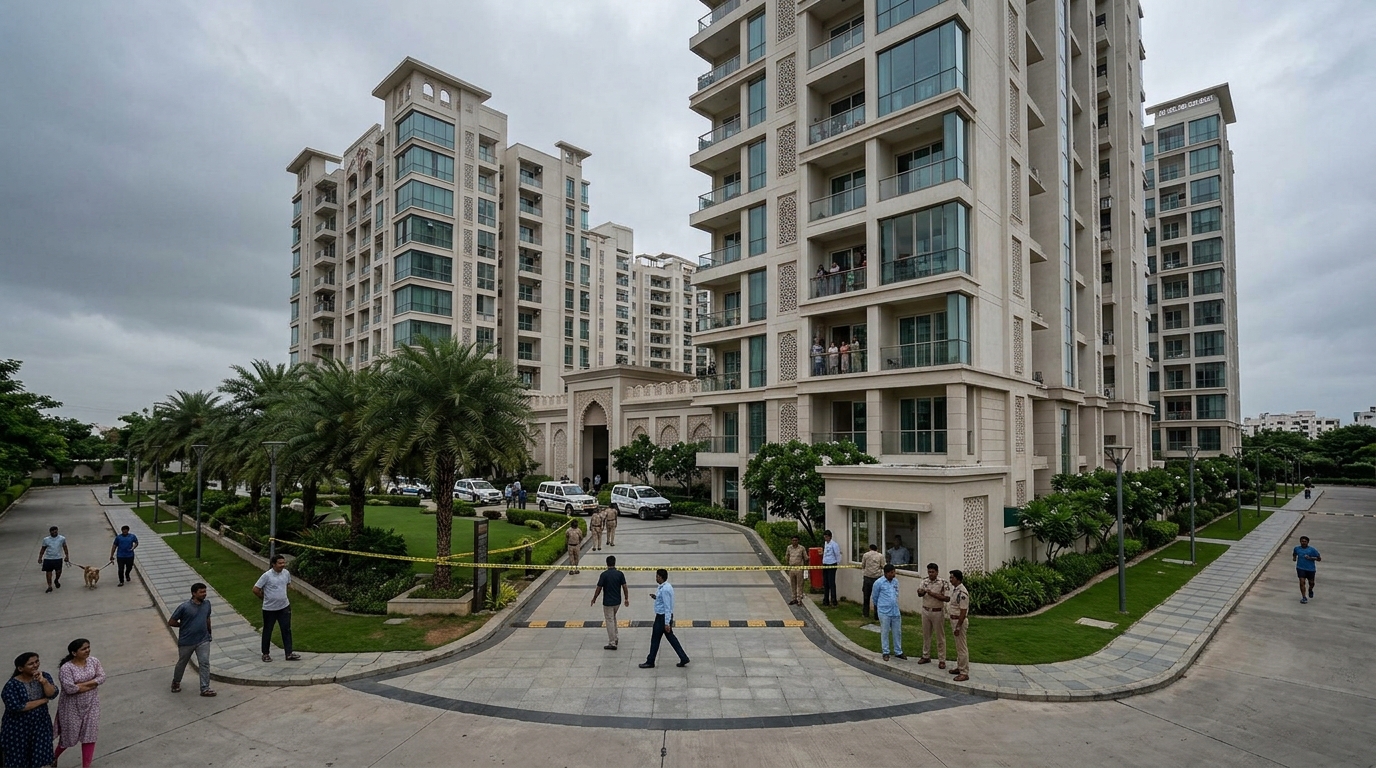
Market Implications: A Chill or a Cleansing? Understanding the Impact on Hyderabad's Property Landscape
The news of ACB searches on HMDA Chief Engineer B. Ravinder's properties casts a spotlight on the potential for irregularities in land acquisition, zoning, and development approvals within Hyderabad. While the immediate impact may be a brief pause in transactional velocity as stakeholders assess the situation, it could also be viewed as a necessary step towards greater transparency and accountability. For the real estate market, particularly in rapidly developing zones like Gachibowli, Kokapet, and the Financial District, this implies a period of increased due diligence for developers and investors alike. Projects already in the pipeline might face more rigorous scrutiny, potentially leading to slight delays in approvals.
However, in the long run, a cleaner regulatory environment can foster greater investor confidence. Reduced chances of opaque dealings can lead to a more stable and predictable market, attracting genuine investment rather than speculative capital. The fundamental demand drivers for Hyderabad's real estate – its robust IT sector, burgeoning population, and business-friendly policies – remain strong. This event, while concerning, is unlikely to derail the city's growth trajectory but may necessitate a more cautious and compliance-focused approach in the short to medium term. Pricing in established and emerging micro-markets might see a brief recalibration due to this uncertainty, but sustainable growth is expected to continue once clarity is established.
- Increased due diligence required for new projects.
- Potential for minor delays in development approvals.
- Long-term positive impact on market transparency and investor confidence.
- Short-term pricing recalibration in affected micro-markets.
Institutional Investor Perspective: Navigating Risk and Capital Flow in a Transparent Market
Institutional investors, known for their rigorous risk assessment frameworks, will be closely monitoring the developments. While corruption allegations can introduce short-term volatility and reputational risk, they also present an opportunity for institutions to advocate for and invest in markets with stronger governance. The focus will shift towards developers and projects with impeccable compliance records and transparent land titles. Capital flow may become more selective, prioritizing established developers with a proven track record and a commitment to ethical practices.
For entities with significant capital deployed in Hyderabad, this event underscores the importance of robust legal and compliance teams. They will likely engage in deeper due diligence on project approvals and land ownership structures. The long-term attractiveness of Hyderabad for institutional investment hinges on its ability to demonstrate a commitment to fair and transparent real estate development processes. A swift and decisive resolution to the ACB investigation, coupled with clear policy reforms if needed, will be crucial in reassuring institutional players about the stability and integrity of the market.
- Heightened focus on compliance and transparency in deal structuring.
- Preference for developers with strong governance and ethical practices.
- Increased scrutiny of land titles and approval processes.
- Potential for capital reallocation towards more transparent markets if issues persist.
Policy and Regulatory Impact: Towards Enhanced Governance in Hyderabad's Real Estate
The ACB's investigation into a high-ranking official within the HMDA (Hyderabad Metropolitan Development Authority) directly points to the critical need for strengthened regulatory oversight and enforcement in the real estate sector. This event could catalyze policy changes aimed at improving transparency in land records, streamlining approval processes, and enhancing accountability for officials involved in urban development. For instance, the implementation of digital land management systems, stricter audit protocols for development projects, and more robust public grievance redressal mechanisms could be on the horizon.
The impact on the micro-markets of Gachibowli, Kokapet, and the Financial District, which have experienced rapid growth and significant investment, is particularly noteworthy. These areas are often at the forefront of new development, and any perceived or actual opacity in their development can deter future investment. Authorities may look to implement clearer guidelines for land use conversion, building plan approvals, and environmental clearances to preempt similar issues. Investors should anticipate a potential tightening of regulations, which, while posing short-term challenges, is ultimately beneficial for sustainable market growth and long-term asset appreciation.
- Potential for stricter regulations on land use and development approvals.
- Emphasis on digital land records and transparent transaction systems.
- Increased accountability for officials involved in urban planning.
- Need for robust public grievance redressal mechanisms.
Micro-Market Dynamics: Gachibowli, Kokapet, and the Financial District Under the Lens
The prime micro-markets of Gachibowli, Kokapet, and the Financial District in Hyderabad have been the epicenters of the city's real estate boom, attracting both domestic and international investment due to their proximity to IT hubs and planned infrastructure. The current investigation, involving a senior HMDA official, directly impacts the perceived governance of development within these high-growth corridors. Developers and investors operating in these areas will need to exercise extreme caution and ensure all dealings are above board.
The demand for residential and commercial spaces in these micro-markets remains fundamentally strong, driven by job creation and a growing population. However, the perception of regulatory integrity is crucial for sustained investor confidence. Any significant delays in approvals or evident malpractice could lead to a temporary slowdown in new project launches and a cautious approach from buyers and investors. Conversely, a transparent resolution and commitment to improved governance could further solidify these areas as premier investment destinations, attracting long-term capital committed to sustainable development.
- Heightened scrutiny on land acquisition and development in these prime areas.
- Sustained fundamental demand but cautious investor sentiment.
- Importance of transparent project approvals for continued investment.
- Potential for re-evaluation of project timelines and due diligence.
Source: Hyderabad Mail