Hyderabad ORR: The Arterial Road Fueling Telangana's Real Estate Gold Rush
Published: August 2026
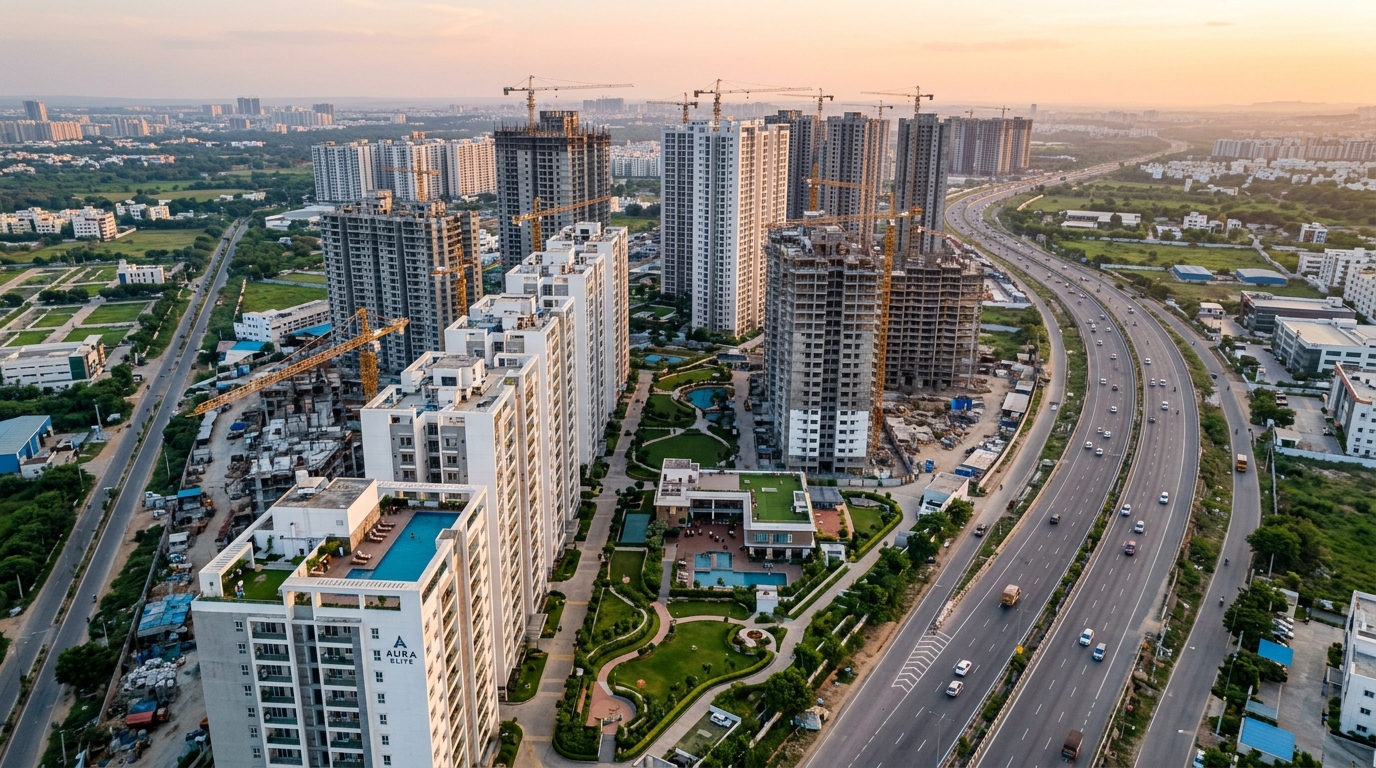
The ORR Effect: A Boon for Builders and Landowners
The Hyderabad Mail article highlights a crucial trend: the ORR's direct correlation with a real estate boom across Telangana. This signifies a golden era for both developers and landowners. Developers gain access to previously underdeveloped, yet strategically located, parcels of land, allowing for large-scale project planning and execution. Landowners stand to benefit from significantly enhanced land valuations due to the improved connectivity and accessibility brought by the ORR. This is a prime time to capitalize on demand before prices plateau.
The increased demand for residential, commercial, and even industrial spaces along the ORR corridor is creating a strong supply-demand imbalance in many pockets. Developers can leverage this by launching projects that cater to the growing population and economic activity. For landowners, strategic partnerships with reputable developers offering fair market value for their plots are crucial to maximizing returns.
Developers: Acquire land parcels for integrated townships, mid-to-high-rise residential complexes, and commercial hubs.
Landowners: Explore joint ventures, outright sales, or development agreements with builders.
Strategic Planning: Focus on projects with amenities and infrastructure that complement the ORR's connectivity.
Construction Trends, Approvals, and Supply Pipeline
The sustained real estate growth fueled by the ORR necessitates a streamlined approach to construction and approvals. Developers must anticipate a steady demand for a diverse range of property types, from affordable housing to premium luxury residences and Grade-A commercial spaces. The robust infrastructure development around the ORR is likely to see an uptick in approvals for integrated projects, mixed-use developments, and strategically located logistics parks.
The supply pipeline needs to be agile and responsive. Builders should focus on efficient construction methodologies to meet deadlines and manage costs. Anticipating regulatory changes and engaging proactively with authorities for timely approvals will be paramount. The construction sector itself will see increased activity, creating opportunities for material suppliers, contractors, and labor providers.
Focus on mixed-use developments for enhanced value.
Streamline construction processes for faster project completion.
Build strong relationships with local municipal bodies for expedited approvals.
Diversify project portfolios to cater to different market segments.
Location-Specific Opportunities: Gachibowli, Kokapet, and the Financial District
The ORR's impact is most pronounced in key growth corridors like Gachibowli, Kokapet, and the Financial District. These areas, already established as IT and business hubs, are witnessing an explosion in residential demand as professionals seek proximity to their workplaces. This presents a direct opportunity for developers to target the premium and ultra-luxury segments, as well as to develop rental housing solutions.
Kokapet, in particular, is emerging as a prime luxury residential destination due to its scenic beauty and strategic positioning. The Financial District, with its expanding corporate presence, will continue to drive demand for high-end commercial and retail spaces. Developers should consider integrated projects that offer seamless living and working experiences within these thriving micro-markets.
Gachibowli: Target IT professionals with modern residential and co-living spaces.
Kokapet: Focus on luxury villas and premium apartment complexes.
Financial District: Develop Grade-A office spaces, retail outlets, and high-end residential options.
Navigating the Risks and Execution Challenges
While the ORR-driven boom presents immense opportunities, developers must be cognizant of the inherent risks. Escalating land acquisition costs in prime ORR-connected areas can be a significant challenge. Furthermore, intense competition from other developers can lead to price wars and impact profit margins. The regulatory environment, though generally supportive, can still present hurdles if not managed proactively.
Execution challenges include managing skilled labor, ensuring timely delivery of infrastructure, and adapting to evolving consumer preferences. Sustainability in construction and adherence to environmental regulations are also becoming critical factors. Developers who can effectively mitigate these risks through robust planning, strategic partnerships, and a focus on quality and timely execution will be best positioned for success in this dynamic market.
Mitigate rising land costs through bulk land acquisition or joint ventures.
Differentiate projects through unique designs, amenities, and sustainability features.
Maintain transparency and proactive communication with stakeholders.
Invest in robust project management systems to ensure timely and cost-effective delivery.
Source: Hyderabad Mail