Global Real Estate Spotlight on India: What IREC 2026 in Hyderabad Means for Developers
Published: September 2026
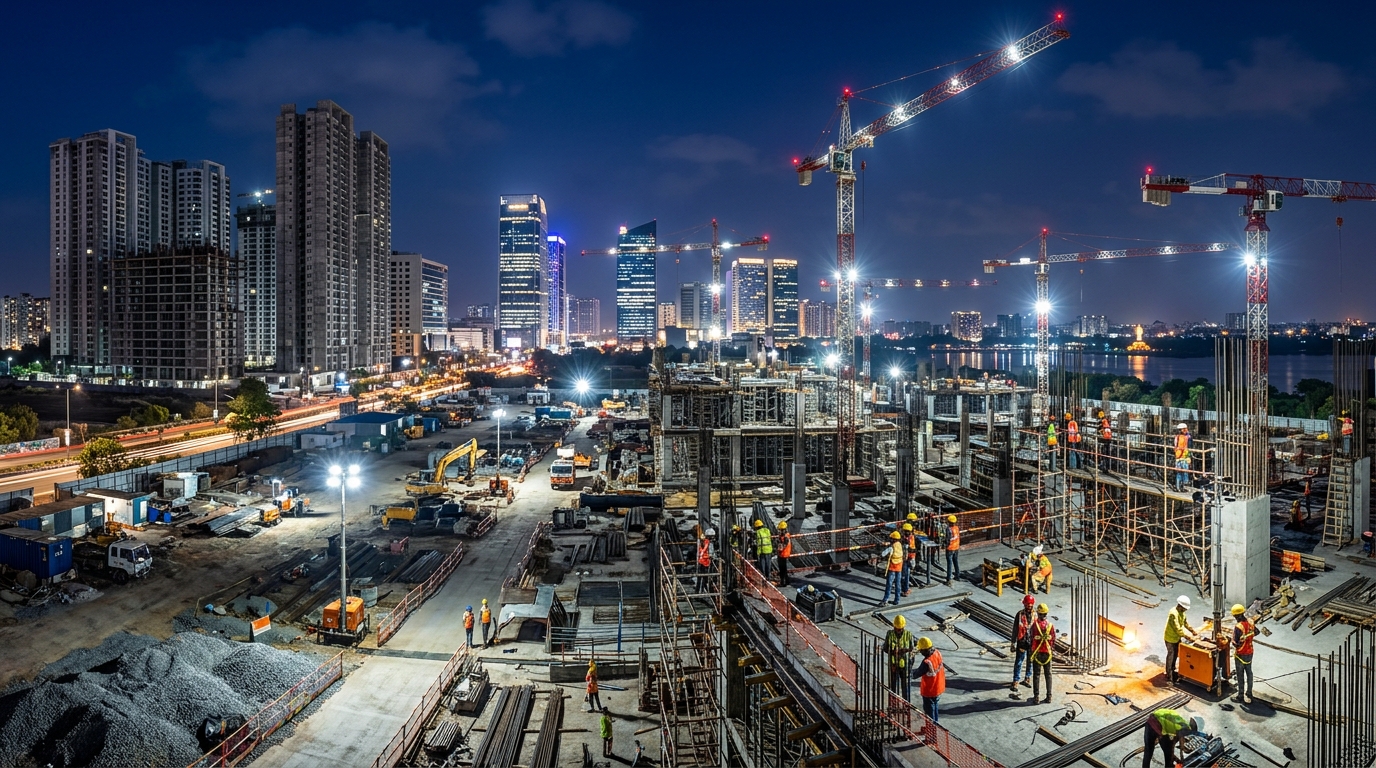
The IREC 2024 Impact: A New Era for Indian Developers
The inauguration of IREC 2026 in Hyderabad marks a pivotal moment, placing India at the forefront of global real estate discussions. For builders and landowners, this translates to heightened international investor interest, increased foreign direct investment (FDI) potential, and a greater emphasis on transparent and sustainable development practices. Landowners in prime locations stand to benefit from increased demand and potentially higher valuations as global players seek to enter or expand their presence in the Indian market. Developers must now benchmark their offerings against international standards, focusing on quality, innovation, and ESG (Environmental, Social, and Governance) compliance to attract global capital.
This global platform will undoubtedly accelerate the adoption of cutting-edge construction technologies and sustainable building materials. Expect a surge in demand for pre-fabricated components, smart building solutions, and green certifications. The supply pipeline will need to adapt to these evolving demands. Developers should proactively explore partnerships with international technology providers and material suppliers to stay ahead of the curve. Streamlining approvals and navigating regulatory frameworks will become even more critical, with a push towards faster clearances and policy reforms to facilitate ease of doing business.
- Increased FDI inflow opportunities.
- Enhanced investor scrutiny on project quality and sustainability.
- Potential for higher land valuations in key growth corridors.
- Need to align with international best practices in development and operations.
Hyderabad's Golden Quadrilateral: Unlocking Location-Specific Opportunities
Hyderabad, particularly areas like Gachibowli, Kokapet, and the Financial District, is perfectly positioned to capitalize on the IREC spotlight. These hubs are already recognized for their IT and financial services infrastructure, attracting a skilled workforce and driving demand for residential, commercial, and retail spaces. The conference will amplify global awareness of these micro-markets, leading to accelerated development and investment. Developers with a presence in these areas should focus on creating integrated townships and mixed-use developments that cater to the lifestyle and professional needs of the modern urban dweller. The current supply pipeline in these high-growth zones may face pressure, creating a supply-demand mismatch that astute developers can leverage by bringing well-planned projects to market.
The influx of global attention will also bring a demand for high-quality, Grade-A commercial spaces and premium residential offerings. Developers should consider niche segments such as co-living, co-working spaces, and senior living, which are gaining traction internationally. Landowners in these expanding corridors should engage with developers who can deliver projects aligned with global standards to maximize their returns.
- Focus on integrated and mixed-use developments in Gachibowli, Kokapet, and Financial District.
- Capitalize on demand for premium residential and Grade-A commercial spaces.
- Explore niche segments like co-living and co-working.
- Anticipate and plan for potential supply-demand imbalances in high-growth areas.
Navigating the Challenges: Risks and Execution Strategies
While the opportunities are immense, developers must be prepared for execution challenges. Increased global interest means greater competition, not just from local players but also from international firms entering the Indian market. Navigating complex land acquisition processes, ensuring timely project execution amidst fluctuating material costs, and managing skilled labor shortages remain critical risks. The emphasis on sustainability and ESG compliance will require significant upfront investment and a shift in traditional development mindsets. Developers must also be agile in adapting to evolving regulatory landscapes and geopolitical factors that can influence investment flows.
To mitigate these risks, developers should prioritize robust project management, forge strategic partnerships, and invest in technology and talent development. Building strong relationships with local authorities to ensure smooth approvals and engaging with communities to foster social acceptance are crucial. Transparency in dealings and adherence to ethical business practices will be paramount in attracting and retaining international partnerships and capital. A proactive approach to risk assessment and mitigation will be the hallmark of successful developers in this new era.
- Increased competition from domestic and international developers.
- Challenges in land acquisition and regulatory approvals.
- Managing construction costs and skilled labor availability.
- Adherence to stringent ESG and sustainability standards.
- Navigating policy changes and geopolitical uncertainties.
Source: Mid-Day