Chalet Hotels Expands Hyderabad Footprint: A Signal for Institutional Investors in India's Hospitality Sector
Published: August 2026
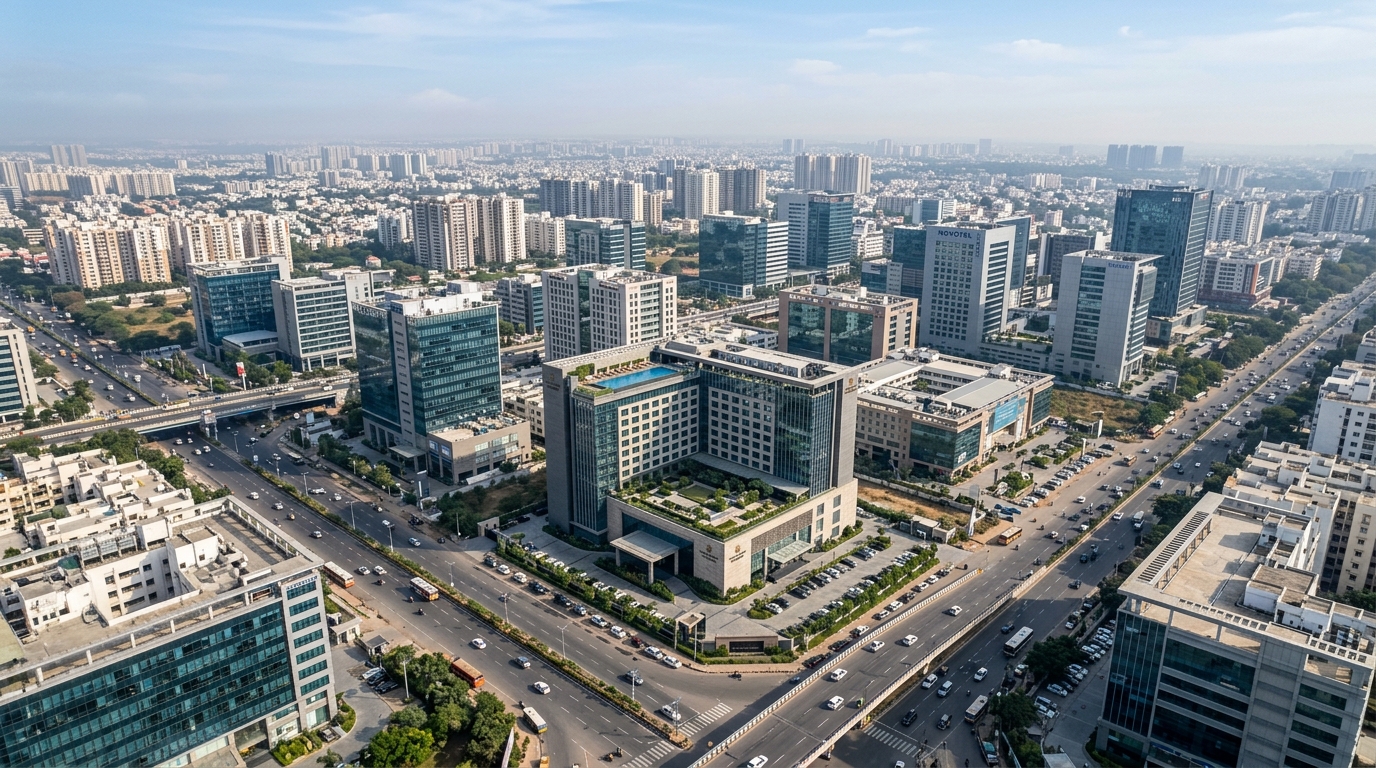
Hyderabad's Hospitality Rebound: Demand Drivers and Supply Dynamics
The recent announcement by Chalet Hotels of adding two Athiva properties to its pipeline, marking its entry into the Hyderabad market, is a significant development for the Indian hospitality real estate sector. This expansion signals a positive outlook on Hyderabad's economic growth, which is a key driver of demand for premium accommodation. The city's robust IT and business ecosystem, coupled with its growing status as a convention and MICE (Meetings, Incentives, Conferences, and Exhibitions) destination, underpins the demand for quality hotel inventory. The addition of these two hotels, particularly in strategically important micro-markets, suggests an anticipated increase in corporate travel and business-related stays.
From a supply perspective, the entry of a prominent player like Chalet Hotels, with its focus on premium and upscale segments, indicates a move towards diversifying and enhancing the quality of hotel offerings. This expansion is likely to be met with strong demand, especially if these properties are situated in or near key business hubs such as Gachibowli, the Financial District, and Kokapet, areas that are already experiencing rapid commercial development and attracting significant talent.
Key demand drivers: IT/ITES sector growth, corporate travel, MICE events, business tourism.
Supply augmentation: Increasing premium and upscale hotel inventory in strategic locations.
Institutional Investor Appetite and Capital Allocation Trends
For institutional investors, Chalet Hotels' foray into Hyderabad is a compelling case study. Chalet Hotels, itself backed by institutional capital, is actively consolidating its portfolio and demonstrating a clear strategy to tap into high-growth urban centers. This move aligns with the broader trend of increasing foreign and domestic institutional investment in India's hospitality sector, which is perceived as a key beneficiary of the nation's economic expansion and rising disposable incomes. The attractiveness of such investments is often tied to the operational expertise of the hotel management companies and the strategic location of the assets.
The acquisition of Athiva hotels suggests Chalet's confidence in the underlying asset value and future revenue potential. Institutional investors often seek to partner with established developers and operators who can navigate the complexities of hotel development and management, ensuring stable returns and capital appreciation. This expansion by Chalet is likely to encourage further capital flows into similar ventures, as investors look for opportunities to diversify their real estate portfolios and gain exposure to India's burgeoning hospitality landscape.
Growing institutional interest in India's hospitality sector.
Chalet Hotels' strategy reflects a move towards high-growth urban markets.
Focus on operational expertise and asset quality for attracting capital.
Micro-Market Dynamics: Hyderabad's Business Hubs
The success of this expansion will heavily depend on the specific micro-markets chosen for the Athiva hotels. Hyderabad's prominence as a business and technology hub is undeniable, with areas like Gachibowli, the Financial District, and Kokapet witnessing unprecedented commercial and residential development. Proximity to major corporate offices, IT parks, and convention centers will be crucial for capturing corporate and MICE demand.
If the Athiva properties are strategically located within these thriving micro-markets, they are poised to benefit from consistent occupancy rates and premium pricing power. The influx of new businesses and talent into these areas continually fuels the demand for high-quality lodging, positioning these developments as attractive long-term investments for institutional players seeking stable income streams and capital appreciation within well-defined growth corridors.
Gachibowli: A major IT and financial hub, attracting corporate travelers.
Financial District: Home to numerous financial institutions and corporate headquarters.
Kokapet: Emerging as a prime commercial and residential zone with significant development potential.
Policy and Regulatory Environment
While the news does not directly mention specific policy impacts, the broader regulatory environment in India generally supports infrastructure development, including the hospitality sector. Government initiatives promoting tourism, ease of doing business reforms, and infrastructure development (such as improved connectivity and transportation) indirectly benefit hotel investments. The clear growth trajectory of Hyderabad, supported by state government policies aimed at attracting investment and fostering economic development, creates a conducive environment for such strategic expansions.
For institutional investors, a predictable and supportive policy framework is paramount. Developments like this often occur within a context where government incentives, streamlined approvals, and robust urban planning contribute to investor confidence. The expansion of a hotel chain like Chalet Hotels indicates that the underlying economic and regulatory conditions in Hyderabad are perceived as favorable for sustained growth and profitability.
Government initiatives promoting tourism and infrastructure development.
Ease of doing business reforms creating a favorable investment climate.
State government policies supporting economic growth in Hyderabad.
Source: Business Standard