Celebrity Wealth and Real Estate: Unlocking Opportunities for Developers in India's Premium Markets
Published: October 2026
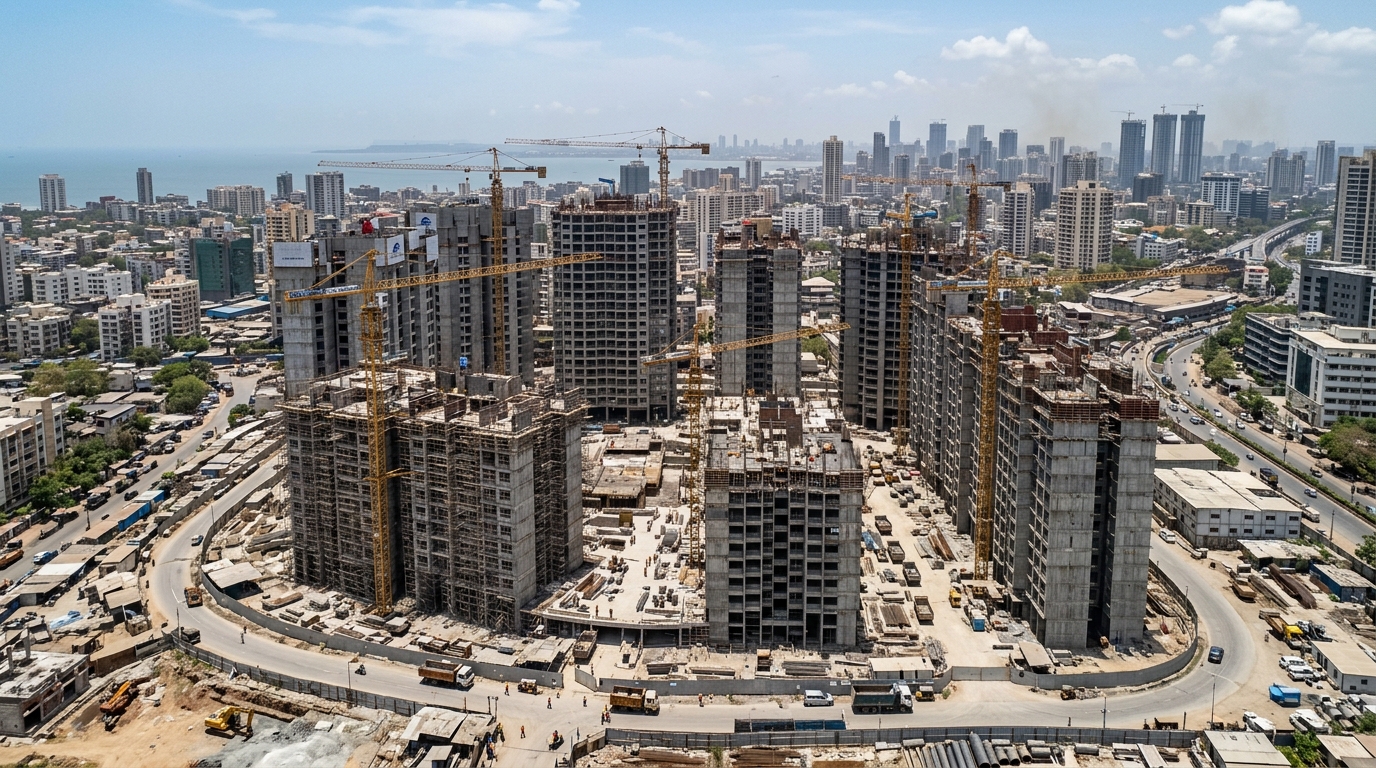
Implications for Builders and Landowners
The substantial net worth of high-profile individuals like Tabu, with significant investments in real estate, underscores the enduring appeal and appreciation potential of premium property in India's aspirational markets. For developers, this signifies a continued demand for luxury and ultra-luxury segments, driven by individuals with high disposable incomes and a penchant for exclusive living. Landowners in prime or up-and-coming locales can leverage this trend by positioning their assets as attractive opportunities for developers targeting this discerning clientele.
The reported ownership across Mumbai, Hyderabad, and Goa indicates a diversifying investment strategy among the affluent. This means developers should not solely focus on one metropolitan hub but also explore the growth potential in other Tier-1 and aspirational cities where wealth is accumulating and seeking tangible assets. Understanding the specific lifestyle preferences and investment horizons of these wealth segments in each region is paramount.
- Identify and acquire land parcels in micro-markets favored by HNIs.
- Develop niche luxury projects that cater to specific lifestyle demands.
- Explore partnerships with developers specializing in high-end residential or vacation homes.
- Focus on branding and marketing that resonates with an affluent and celebrity-conscious demographic.
Construction Trends, Approvals, and Supply Pipeline
The demand for high-value properties often translates into a need for sophisticated construction techniques, premium materials, and state-of-the-art amenities. Developers should anticipate an increased focus on sustainable building practices, smart home technologies, and enhanced security features. The supply pipeline for such projects needs to be meticulously managed, ensuring timely procurement of quality materials and skilled labor.
Navigating the approval process for luxury developments can be complex, often involving more stringent regulatory oversight and environmental clearances. Developers must factor in longer lead times for approvals, especially in established urban centers like Mumbai. Proactive engagement with authorities and a thorough understanding of zoning regulations will be critical. For Hyderabad, particularly areas like Gachibowli, Kokapet, and the Financial District, a robust infrastructure backbone is already in place, potentially streamlining approvals for well-conceived projects.
- Invest in advanced construction technologies for faster and higher-quality builds.
- Establish strong relationships with suppliers of premium and sustainable building materials.
- Build a skilled workforce adept at luxury construction finishes and smart home integrations.
- Develop a robust pre-construction planning phase to anticipate and mitigate approval delays.
Location-Specific Opportunities: Hyderabad's Growth Corridor
Hyderabad, with its burgeoning IT sector and financial hub status, presents a significant opportunity for developers. Areas like Gachibowli, Kokapet, and the Financial District are already characterized by a concentration of HNI residents and a rapid pace of commercial development. This creates a natural demand for high-end residential offerings that complement the professional lifestyle of its inhabitants.
The influx of global corporations and the rise of the startup ecosystem in Hyderabad have led to a demographic shift, with a growing segment of well-paid professionals and entrepreneurs actively seeking premium living spaces. This sustained demand, coupled with a relatively more development-friendly policy environment compared to some older metros, makes these Hyderabad micro-markets particularly attractive for luxury and ultra-luxury residential projects. Developers who can offer unique value propositions, such as expansive living spaces, integrated amenities, and a strong sense of community, are likely to capture a significant market share.
- Focus on 'work-live-play' concepts in Gachibowli and the Financial District.
- Develop exclusive gated communities in Kokapet with a focus on privacy and amenities.
- Tap into the demand for second homes or investment properties in the scenic periphery of Hyderabad.
- Offer smart, sustainable, and amenity-rich housing that caters to the modern professional.
Risks and Execution Challenges
Despite the apparent demand, developers in the luxury segment face inherent risks. Economic downturns or shifts in investor sentiment can disproportionately affect high-value real estate. High land acquisition costs in prime locations and increasing construction expenses can squeeze profit margins. Furthermore, maintaining brand reputation and ensuring consistent quality throughout the project lifecycle is critical for sustained success.
Execution challenges can arise from project delays due to unforeseen circumstances, regulatory hurdles, or supply chain disruptions. For projects targeting a celebrity or ultra-HNIs, the expectations regarding quality, exclusivity, and timely delivery are exceptionally high. Failure to meet these expectations can lead to reputational damage and hinder future sales. Developers must have robust risk management strategies in place, including contingency planning for cost overruns and schedule slippages.
- Conduct thorough due diligence on market demand and economic forecasts.
- Secure financing with flexible terms to accommodate potential market fluctuations.
- Implement stringent quality control measures at every stage of construction.
- Maintain transparent communication with buyers regarding project progress and any potential delays.
Source: Moneycontrol.com