Bullet Train, Real Estate, and Regulatory Scrutiny: What Hyderabad Investors Need to Know
Published: September 2026
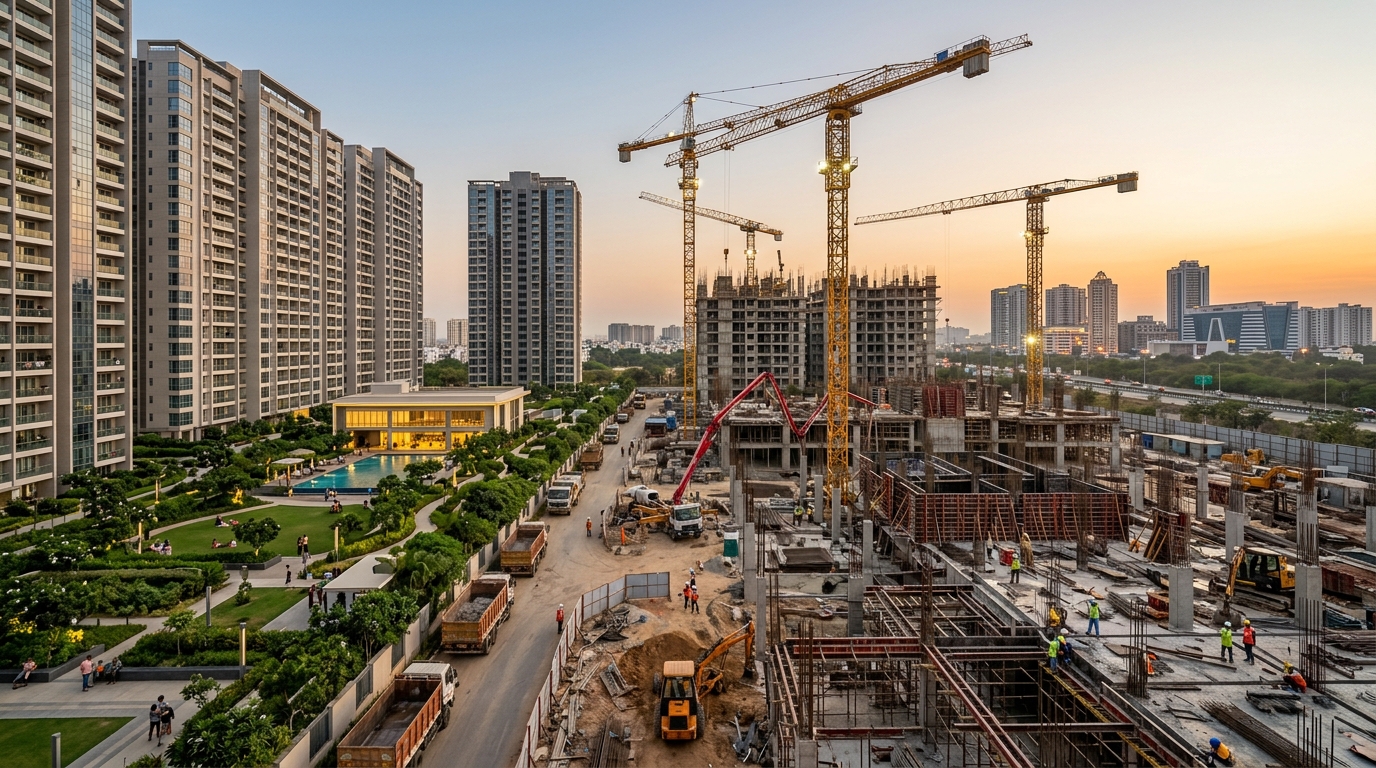
Navigating the Intersection of Infrastructure and Real Estate Development
The political discourse surrounding Hyderabad's proposed bullet train project, as reported by The New Indian Express, highlights a growing concern: the potential for infrastructure development to inadvertently fuel speculative real estate activities. While the intention behind such ambitious projects is typically to enhance connectivity and economic growth, critics, like KTR from the BRS party, suggest that these initiatives can be exploited for real estate gains, potentially distorting market dynamics and land values.
From an investor's standpoint, this narrative signals a need for increased due diligence. The association of large-scale infrastructure with potential real estate speculation can lead to inflated land prices in project-adjacent areas, creating a bubble effect. This could impact the affordability and long-term sustainability of real estate investments, particularly in established or emerging micro-markets like Gachibowli, Kokapet, and the Financial District, which are often prime targets for such developments.
Institutional Investor Perspective and Capital Flow
Institutional investors, typically driven by long-term value and risk mitigation, will be closely monitoring the policy clarity and regulatory framework surrounding projects like the bullet train. The suggestion of real estate speculation "in the guise of" a project introduces an element of uncertainty. This could lead to a cautious approach, with institutions seeking clear governmental assurances against speculative land hoarding and price manipulation.
Capital flow might be re-directed towards projects with demonstrable economic fundamentals rather than those perceived as benefiting from infrastructure-driven speculation. Investors will prioritize transparency in land acquisition processes and development plans. Any perception of regulatory arbitrage or undue influence from real estate lobbies could deter significant capital deployment, pushing investment towards more stable and predictable markets or asset classes.
- Increased scrutiny on land acquisition transparency.
- Preference for projects with clear economic multipliers beyond real estate appreciation.
- Potential de-risking of capital allocation in highly speculated corridors.
Policy and Regulatory Implications for the Hyderabad Real Estate Market
The statement implies a potential for increased regulatory oversight or policy adjustments to curb speculative real estate practices linked to major public works. Governments might consider implementing stricter zoning regulations, higher capital gains taxes on short-term property transactions in development zones, or enhanced transparency mechanisms for land sales related to public projects.
For the Hyderabad real estate market, this could translate into a more controlled growth trajectory. While the bullet train project promises enhanced connectivity and economic upliftment, the regulatory response to the concerns raised could shape how land values appreciate. A balanced approach that fosters development while preventing outright speculation will be crucial for the sustained health of the market. This could also influence urban planning decisions, pushing for more integrated development models that benefit from improved infrastructure without solely relying on land value appreciation.
Micro-Market Dynamics: Hyderabad's Growth Corridors Under the Lens
The micro-markets of Hyderabad, particularly Gachibowli, Kokapet, and the Financial District, are no strangers to rapid development fueled by IT growth and infrastructure projects. The concern raised regarding the bullet train project's potential to exacerbate real estate speculation directly impacts these prime areas.
If unchecked, speculative activity could lead to unsustainable price hikes, making these areas less attractive for end-users and long-term investors who seek stable rental yields and predictable capital appreciation. Conversely, a well-managed development process, coupled with robust regulatory oversight, could solidify these micro-markets as robust investment destinations, attracting genuine demand and fostering sustainable growth. The focus will shift from rapid price escalation to the underlying economic drivers of demand and supply.
Source: The New Indian Express