Beyond the Hype: Decoding Hyderabad's Real Estate Dynamics Post-HYDRA
Published: June 2026
Understanding the Market Drivers: What Builders and Landowners Need to Know
The recent assertion from AV Ranganath, refuting HYDRA as the cause for any perceived real estate slowdown, is a crucial signal for developers and landowners. It suggests that market dynamics are driven by more fundamental economic and demand-side factors, rather than an external, speculative entity. For builders, this means focusing on genuine demand, product differentiation, and efficient project execution. Landowners can leverage this clarity to negotiate more effectively, understanding that the true value of their land is tied to its development potential and alignment with market absorption rates, not hypothetical external pressures.
This distinction is vital for strategic planning. Instead of reacting to unverified narratives, stakeholders can now concentrate on tangible aspects like affordability, timely project delivery, and understanding evolving buyer preferences. The focus should shift towards creating value through quality construction, strategic amenities, and accurate market forecasting. Developers must ensure their project pipelines are robust and aligned with the realistic absorption capacity of specific micro-markets.
- Focus on genuine demand assessment and buyer needs.
- Prioritize product quality and timely project completion.
- Landowners should base negotiations on market realities and development potential.
- Strategic land acquisition based on absorption capacity and connectivity.
Construction Trends, Approvals, and the Supply Pipeline
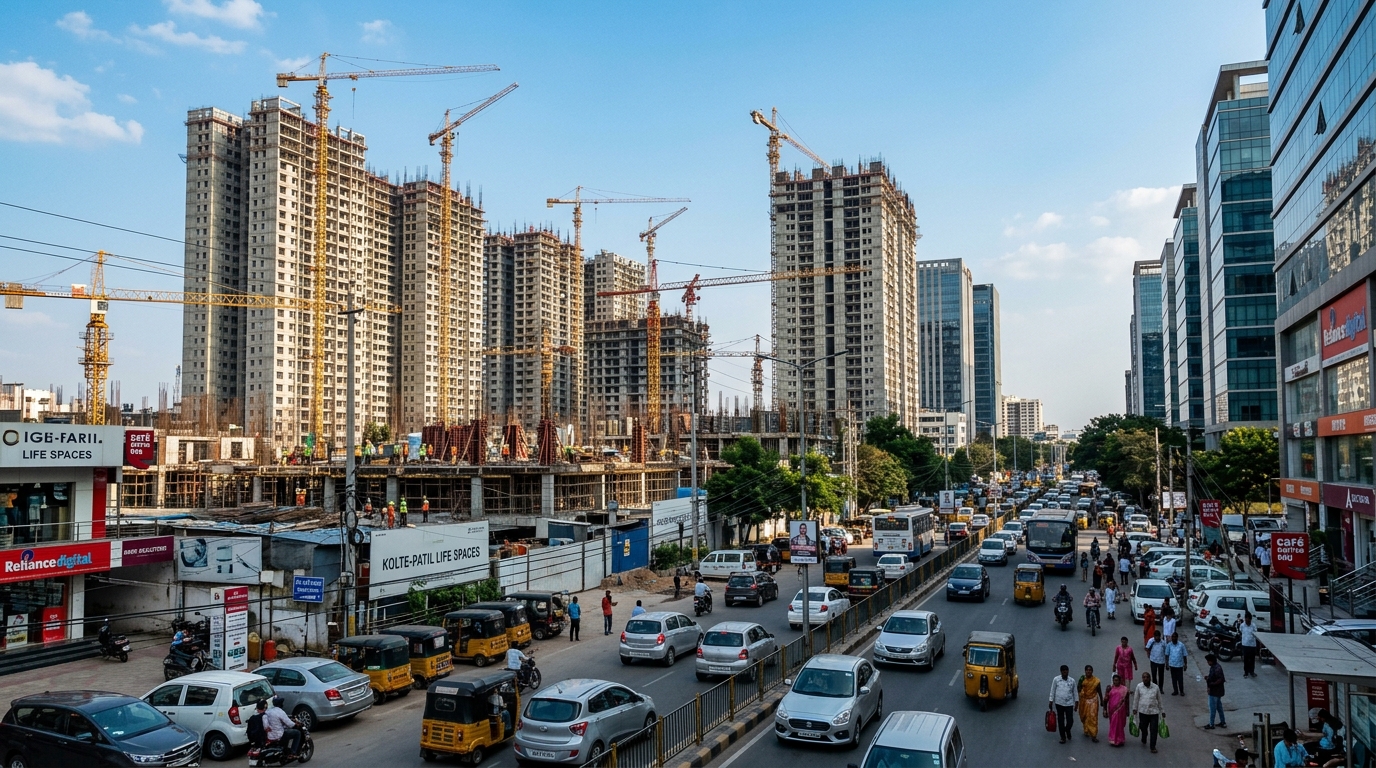
The absence of HYDRA as a factor implies that the construction and approval pipeline are likely operating under standard regulatory and market pressures. Developers need to remain acutely aware of local government approval processes, ensuring their projects are compliant and timelines are realistic. The supply pipeline should be managed proactively, mitigating risks associated with material price volatility and labor availability. A well-managed supply chain is paramount for maintaining project schedules and controlling costs.
Analyzing the current inventory and upcoming launches is critical. A healthy market sees a balanced supply-demand ratio. If a supply glut is detected in specific segments or micro-markets, developers must recalibrate their strategies. This might involve diversifying project typologies, focusing on niche segments, or phasing launches more strategically to avoid overwhelming the market. Building strong relationships with material suppliers and construction labor can also buffer against potential disruptions.
- Streamline internal approval processes to anticipate regulatory timelines.
- Secure material and labor contracts early to mitigate price fluctuations.
- Monitor inventory levels and new project launches closely.
- Diversify product offerings to cater to a wider buyer base.
Location-Specific Opportunities: Hyderabad's Hotspots
While the news doesn't pinpoint specific locations, Hyderabad, and particularly its prominent growth corridors like Gachibowli, Kokapet, and the Financial District, continue to be engines of real estate demand. These areas benefit from robust commercial activity, IT park expansions, and a growing affluent population seeking quality housing. Developers with projects in these regions should capitalize on their established infrastructure and accessibility.
The sustained demand in these micro-markets is driven by job creation and the concentration of corporate hubs. However, this also means increased competition and potentially higher land acquisition costs. Opportunities lie in identifying undersupplied niches within these areas, such as premium affordable housing, well-appointed co-living spaces, or integrated townships that offer a holistic living experience. A deep understanding of the specific micro-market dynamics, including local infrastructure development plans and existing residential stock, is key to unlocking these opportunities.
- Target Gachibowli, Kokapet, and Financial District for premium residential and commercial developments.
- Identify and cater to niche housing demands within these established corridors.
- Leverage proximity to IT hubs and corporate centers for rental and resale value appreciation.
- Explore mixed-use development potential to maximize land utilization and buyer appeal.
Navigating Risks and Execution Challenges
The primary risks for developers now lie in accurate demand forecasting, project execution efficiency, and managing financial leverage. Without an external, speculative factor like HYDRA to blame for slowdowns, market performance will be a direct reflection of a project's intrinsic value and a developer's operational prowess. Execution challenges can arise from unforeseen regulatory changes, escalating construction costs, and the ability to secure timely financing. A proactive approach to risk management is crucial.
Successful execution requires meticulous planning, robust project management, and agile adaptation to market feedback. Developers must build resilience into their business models, considering scenarios that might impact sales velocity or project costs. Building strong relationships with financial institutions for funding, and with buyers for consistent sales, is paramount. The ability to deliver on promises regarding quality, amenities, and possession dates will be the ultimate differentiator in a market driven by genuine demand and value.
- Conduct rigorous due diligence on market absorption rates before launching projects.
- Implement stringent cost control measures and contingency planning.
- Maintain transparency with buyers regarding project timelines and progress.
- Develop a strong marketing and sales strategy tailored to specific buyer segments.
Source: INDToday