Beyond the Divine: Ganesh Laddu Auctions Reveal Surprising Real Estate Demand Drivers in Hyderabad
Published: September 2026
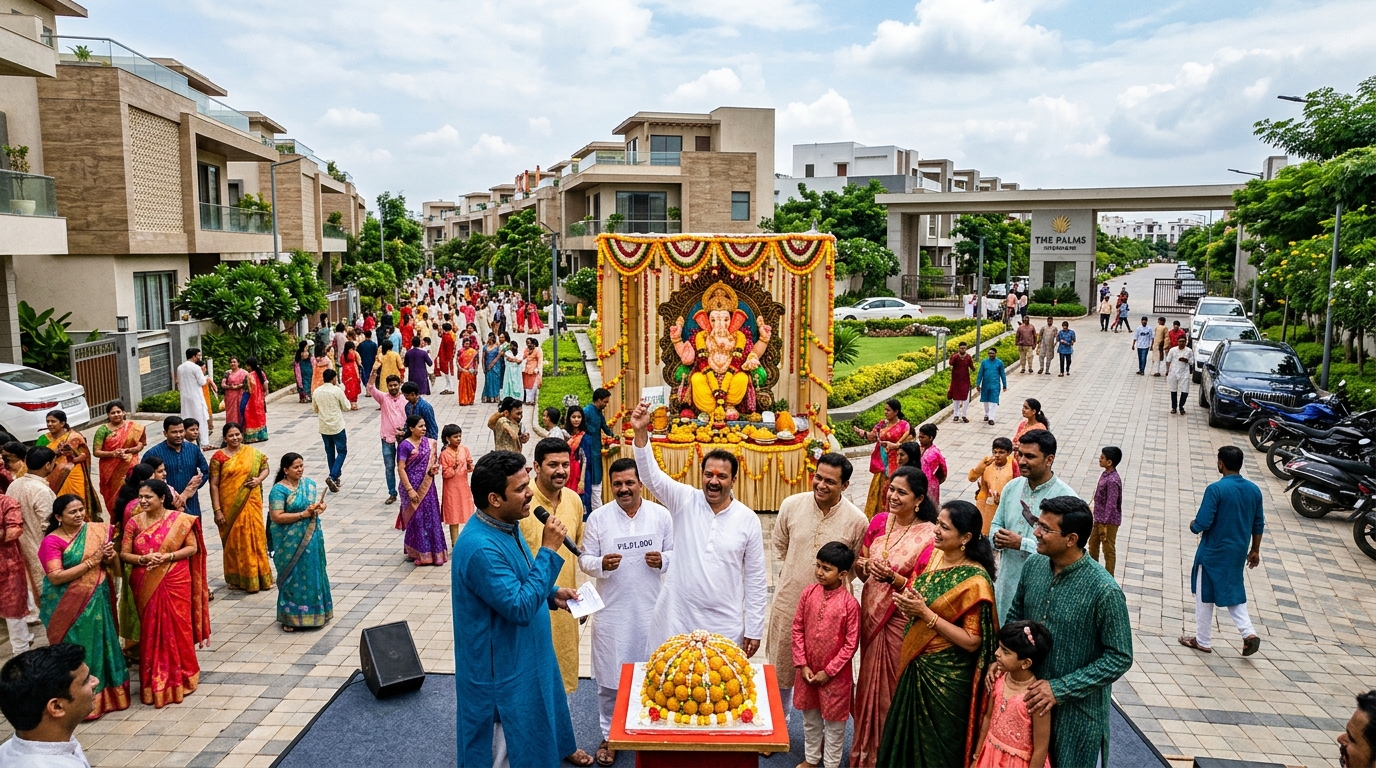
The Laddu Phenomenon: A Wealth Indicator for Premium Real Estate
The recent news of Ganesh laddus fetching lakhs of rupees in auctions at Hyderabad's elite gated communities, as reported by The Siasat Daily, offers an unconventional yet potent lens through which to view the real estate market. This phenomenon transcends a mere religious tradition; it's a direct reflection of the disposable income and affluent lifestyle of residents within these exclusive enclaves. The willingness of individuals to spend substantial sums on a symbolic item like a laddu underscores a significant level of financial prosperity, which often correlates with investment capacity in high-value real estate.
From a market perspective, this indicates a strong underlying demand for premium and luxury housing within these specific micro-markets. When residents demonstrate such high spending power on non-essential, symbolic items, it suggests a stable economic footing that supports significant capital outflow towards luxury assets. This can translate into sustained demand for larger homes, premium amenities, and exclusive community living, potentially driving up property values and encouraging further development in these sought-after areas.
Institutional Investor Perspective: Decoding the Affluence Signal
For institutional investors, the Ganesh laddu auction trend serves as a qualitative, yet valuable, data point. It signals the presence of a high-net-worth individual (HNWI) and ultra-high-net-worth individual (UHNWI) demographic that is actively investing in and residing in these premium micro-markets. This affluent population is a prime target for luxury real estate developers and, by extension, for institutional investors seeking stable returns from high-value asset classes.
The data suggests that areas like Gachibowli, Kokapet, and the Financial District in Hyderabad, which are known for their high-end residential projects and attract a wealthy populace due to proximity to IT hubs and corporate centers, are likely to experience continued demand. Investors can interpret this as a green light for allocating capital towards projects catering to this demographic, focusing on quality of construction, exclusivity, and robust community infrastructure. This trend supports the narrative of these locales becoming established luxury real estate destinations, attracting both end-users and investors.
- Increased appetite for luxury residential units.
- Potential for sustained premium pricing due to high disposable incomes.
- Validation of existing high-end residential projects and infrastructure.
- Attraction for further development of lifestyle amenities catering to the affluent.
Market Implications: Demand, Supply, and Pricing Dynamics
The Ganesh laddu auction phenomenon points towards a healthy demand-supply dynamic in Hyderabad's premium real estate segments. While supply of ultra-luxury properties might be limited, the demonstrated wealth of residents in these gated communities suggests that demand is outstripping or at least matching this supply. This imbalance, driven by sustained affluence, supports upward pressure on pricing.
In terms of pricing, we can expect continued appreciation for properties within these communities. The ability to spend lakhs on a laddu implies that these residents have significant capital to deploy, which could be channelled into real estate transactions, whether for primary residences or investment properties. This sustained demand can also lead to developers focusing on delivering more bespoke and exclusive projects, further differentiating and potentially increasing the value of the existing premium inventory.
Policy and Regulatory Environment
While the Ganesh laddu auctions themselves are a cultural and economic indicator and not directly influenced by policy, the underlying affluence and real estate activity they represent are shaped by the broader economic and regulatory environment. Hyderabad's reputation as a hub for IT and finance attracts skilled professionals and entrepreneurs, fostering wealth creation. Policies that support business growth, infrastructure development (such as the Outer Ring Road and connectivity to business districts), and a stable investment climate indirectly fuel this prosperity.
For the real estate sector, government initiatives promoting transparent transactions, ease of doing business, and robust urban planning indirectly support the growth of these premium micro-markets. The 'Make in India' initiative and government support for the IT sector have contributed to job creation and wealth accumulation, which is then reflected in such community spending. There are no direct regulatory impacts stemming from the auctions themselves, but they serve as a signal of a thriving economic ecosystem that government policies aim to nurture.
Source: The Siasat Daily