Beyond Bricks and Mortar: The 'Laddu Effect' in Hyderabad's Gated Communities and What it Signals for Developers
Published: September 2026
Understanding the 'Laddu Effect' for Developers and Landowners
The reported multi-lakh rupee bids for simple sweets at community events within Hyderabad's ultra-luxury gated communities are a stark testament to the immense wealth and high disposable incomes concentrated in these micro-markets. For builders and developers, this translates into a clear signal: there's a segment of the market willing to pay a significant premium for exclusivity, curated experiences, and an elevated lifestyle. Landowners in and around these prime areas, particularly those with parcels suitable for high-density, premium residential development, are in a strong negotiating position. The 'laddu effect' underscores the perception of these communities as status symbols and exclusive enclaves, justifying premium pricing for both land and housing.
This phenomenon highlights a potent supply-demand mismatch for ultra-luxury and premium housing in Hyderabad. The demand for aspirational living, driven by a growing number of affluent professionals and entrepreneurs, is outpacing the availability of meticulously designed and amenity-rich residences. Developers who can tap into this demand by offering bespoke designs, unparalleled amenities, and a strong sense of community will find fertile ground. For landowners, this presents an opportunity to partner with developers who understand this niche and can unlock the true value of their property.
- Identify pockets of concentrated wealth and aspirational buyers.
- Focus on niche offerings that cater to ultra-luxury and premium segments.
- Landowners should leverage this demand to negotiate better deals with developers.
- Develop projects that emphasize exclusivity, community, and lifestyle amenities.
Construction Trends, Approvals, and Supply Pipeline
The 'laddu effect' implies a need for developers to accelerate their project pipelines, particularly for premium residential offerings. This necessitates streamlined approval processes and a robust construction supply chain capable of delivering high-quality finishes and unique architectural designs. Builders must anticipate an increased demand for innovative construction techniques and sustainable building materials that appeal to an environmentally conscious affluent buyer. The speed at which these communities are filling up and the high engagement at social events suggest that projects with rapid development cycles and efficient execution will be highly favored. Developers should proactively engage with local authorities to ensure timely approvals for projects that align with the evolving urban landscape of Hyderabad.
The supply pipeline for truly differentiated luxury housing in Hyderabad's prime locations is relatively thin. While there's a constant influx of residential projects, few are designed to meet the exacting standards suggested by the 'laddu effect.' This creates an opening for developers who can innovate in terms of project design, amenity integration, and community building. The construction industry needs to be prepared for a surge in demand for skilled labor and premium building materials to meet the specifications of these high-value projects.
- Expedite project planning and approval processes.
- Strengthen relationships with suppliers for premium materials and finishes.
- Invest in technologies that enable faster and more efficient construction.
- Focus on unique selling propositions beyond basic amenities.
Location-Specific Opportunities: Hyderabad's Golden Corridors
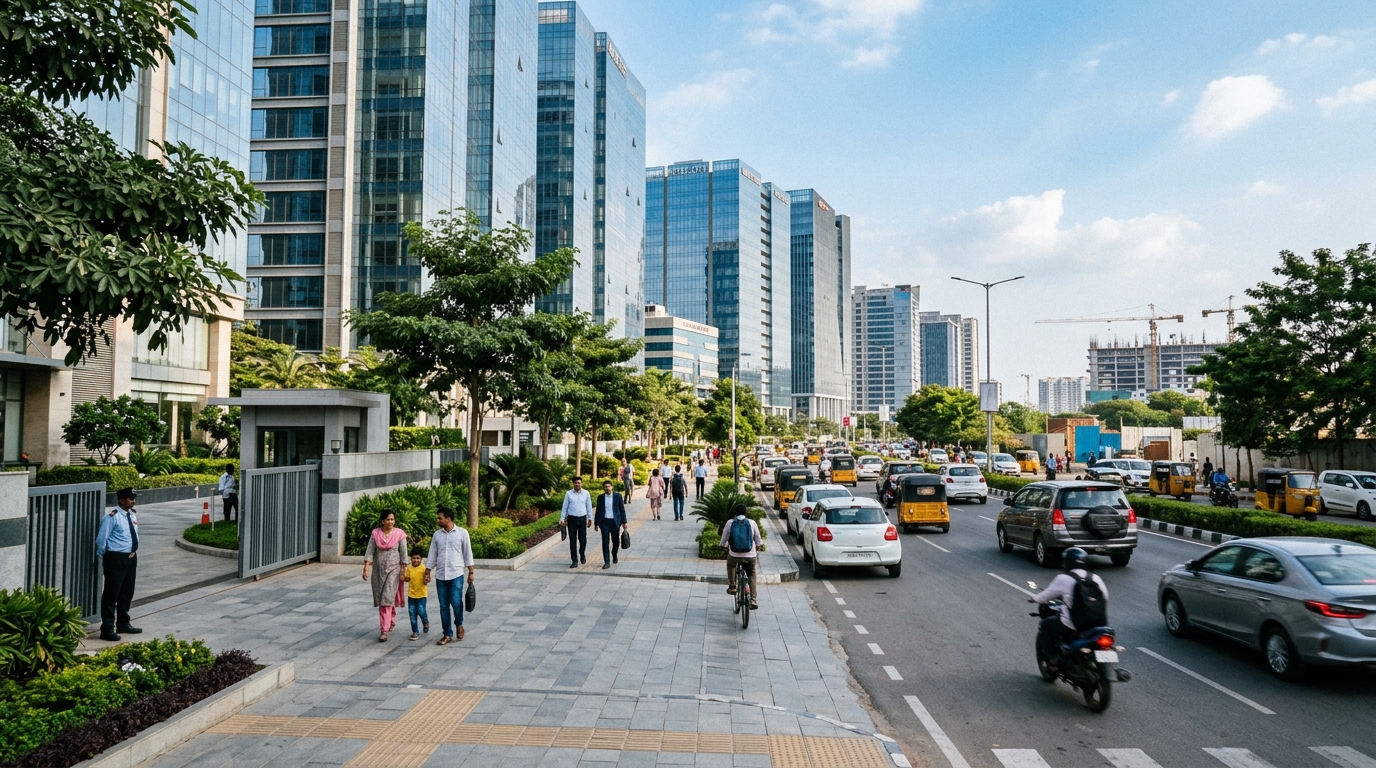
The 'laddu effect' is most pronounced in Hyderabad's established and rapidly developing premium residential hubs. Areas like Gachibowli, Kokapet, and the Financial District are prime examples. These locales are characterized by a high concentration of IT and financial services companies, attracting a demographic with substantial purchasing power and an appetite for a sophisticated urban lifestyle. Developers with an eye on these regions should focus on projects that offer seamless connectivity to business centers, world-class educational institutions, and high-end retail and entertainment options. The gated community model is particularly successful here, offering a sense of security and exclusivity that resonates deeply with the target audience.
Kokapet, in particular, has emerged as a hub for luxury living, with its wide roads, planned infrastructure, and proximity to the Financial District. Gachibowli and the surrounding areas continue to be attractive due to their established ecosystems and ongoing development. The demand for premium housing in these areas is not just about residential units; it's about creating integrated living experiences. Developers who can successfully integrate green spaces, community facilities, and exclusive retail within or adjacent to their residential projects will capture significant market share.
- Prioritize development in or near Gachibowli, Kokapet, and the Financial District.
- Develop projects that offer proximity to employment hubs and lifestyle amenities.
- Focus on integrated developments that combine residential, retail, and recreational spaces.
- Consider phased developments to capitalize on evolving market demands.
Risks and Execution Challenges
While the 'laddu effect' signals immense opportunity, developers must be cognizant of the inherent risks. The ultra-luxury segment is highly sensitive to economic downturns and shifts in consumer sentiment. Execution is paramount; any compromise on quality, amenities, or delivery timelines can severely damage brand reputation and future sales. Approvals in prime locations can still be complex and time-consuming, requiring robust stakeholder management. Furthermore, the cost of land in these prime areas is exceptionally high, demanding meticulous financial planning and robust sales projections to ensure profitability. The competitive landscape, while currently favorable for differentiated projects, can intensify as more developers pivot to this segment.
Key execution challenges include securing prime land parcels at viable costs, navigating the intricacies of regulatory approvals, managing construction quality to meet ultra-luxury standards, and executing marketing strategies that effectively reach the affluent demographic. Developers must also be prepared for potential oversupply if too many projects enter the market simultaneously without adequate demand calibration. A thorough understanding of the buyer's aspirations, beyond just a residence, is crucial for successful project conceptualization and execution.
- Mitigate financial risks through meticulous planning and robust sales strategies.
- Ensure flawless execution in terms of quality, amenities, and timely delivery.
- Proactively manage regulatory processes and stakeholder relationships.
- Continuously monitor market trends and competitor activities.
- Differentiate projects through unique value propositions and buyer-centric designs.
Source: The Times of India