Beyond the Beltway: Hyderabad's Realty Boom Goes Wild in Tier 2 & 3 Cities
Published: April 2026
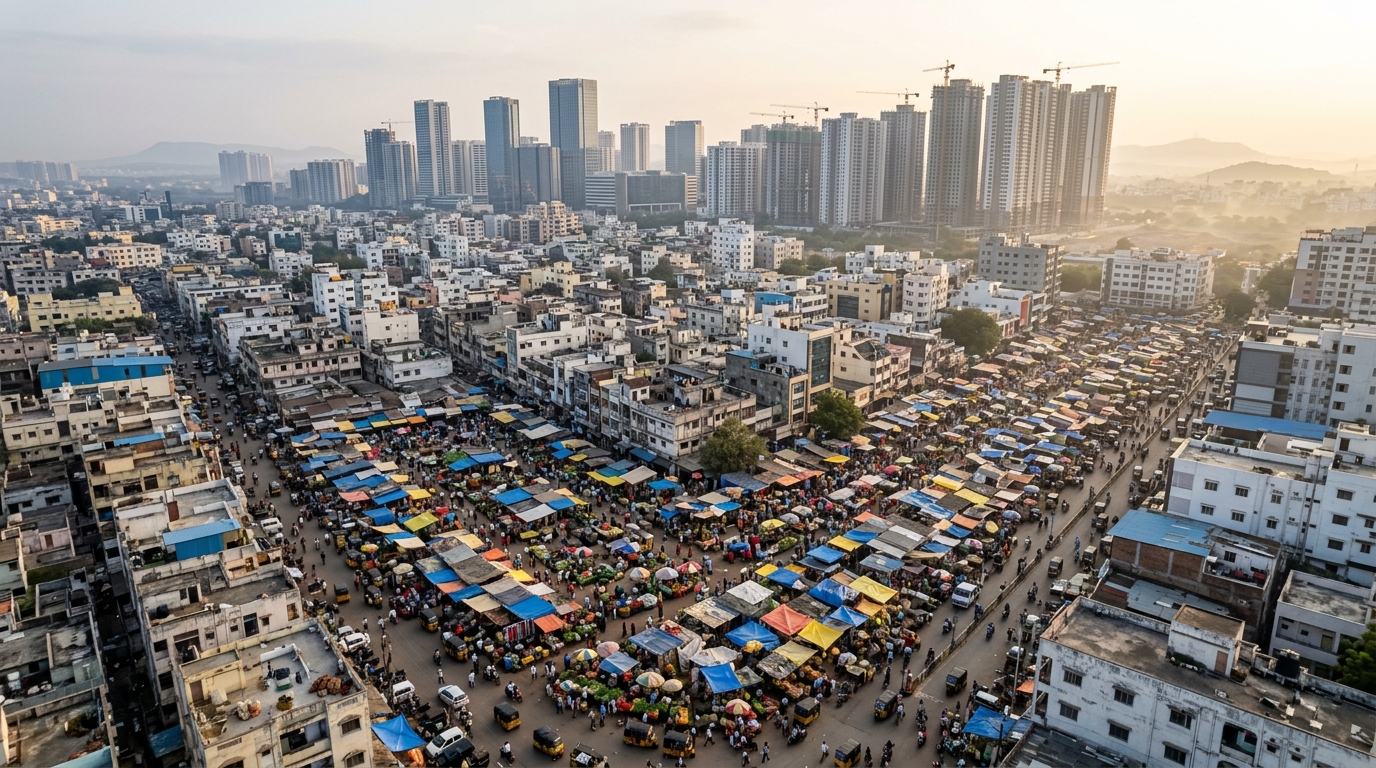
The Great Hyderabad Escape (For Investors)
For years, Hyderabad's Outer Ring Road (ORR) was the undisputed king of real estate, a glittering testament to the city's IT boom. Developers flocked, investors lined up, and property values soared in areas like Gachibowli, Kokapet, and the Financial District, fueled by a steady influx of tech jobs and aspirational living. But as the saying goes, all good things must evolve, and the latest market whispers reveal a fascinating plot twist: the realty boom is no longer confined to the ORR's gravitational pull. It's spreading, with a surprising surge originating from Tier 2 and Tier 3 cities, redrawing the map of real estate opportunity.
This shift isn't about Hyderabad's established hubs losing steam; rather, it's about the ripple effect of economic growth and strategic development reaching further afield. The demand for affordable yet quality housing, coupled with the potential for higher returns in less saturated markets, is proving an irresistible lure for both seasoned investors and first-time homebuyers. Developers, ever the astute observers of market dynamics, are recognizing this burgeoning potential and are increasingly shifting their gaze and resources towards these emerging locales.
Ground Realities: What This Means for You
For the average buyer, this decentralization of the real estate boom offers a breath of fresh air. The suffocating price points often associated with prime Hyderabad locations are giving way to more accessible entry points in these Tier 2 and 3 cities. Imagine securing a well-appointed home, perhaps with more space and better amenities, at a fraction of the cost you'd pay closer to the city center. This democratizes homeownership and allows individuals and families to invest in their future without compromising on quality of life.
Investors, on the other hand, are discovering a goldmine of untapped potential. While the ORR corridor might offer steady appreciation, these emerging hotspots promise exponential growth. Areas benefiting from improved infrastructure, government initiatives, and local economic drivers are seeing property values rise at an impressive pace. This is the sweet spot for those looking for high capital appreciation and rental yields. Developers are responding by launching projects that cater to the specific needs and budgets of these burgeoning communities, often focusing on integrated townships and community living that offers a balanced lifestyle.
Buyers: Access to more affordable housing, potentially larger spaces, and a better quality of life outside congested urban cores.
Investors: Opportunity for higher capital appreciation and rental yields in emerging, less saturated markets.
Developers: Diversification of project portfolios, tapping into new customer segments, and capitalizing on growing demand in underserved areas.
The Future Outlook: New Hotspots on the Horizon
While Hyderabad's ORR, Gachibowli, Kokapet, and Financial District will undoubtedly remain crucial real estate anchors, the future of Telangana's property market looks decidedly more distributed. We can expect continued growth and increased developer interest in cities like Warangal, Karimnagar, Khammam, and Nizamabad. These cities are witnessing significant infrastructural upgrades, including improved connectivity and the establishment of new educational and industrial centers. The 'Telangana model' of development, which prioritizes balanced growth across the state, is clearly bearing fruit.
The smart money is already moving, and the trend is set to accelerate. As more people discover the economic advantages and improved living standards offered by these Tier 2 and 3 cities, the demand for housing and commercial spaces will only intensify. This isn't just a temporary blip; it's a fundamental shift in how and where real estate growth is happening in Telangana. Keep an eye on these emerging hotspots, they are poised to be the next big success stories in Indian real estate.
Source: The Times of India