Unlocking Hyderabad's Real Estate Potential: A Developer's Blueprint for Success
Published: May 2026
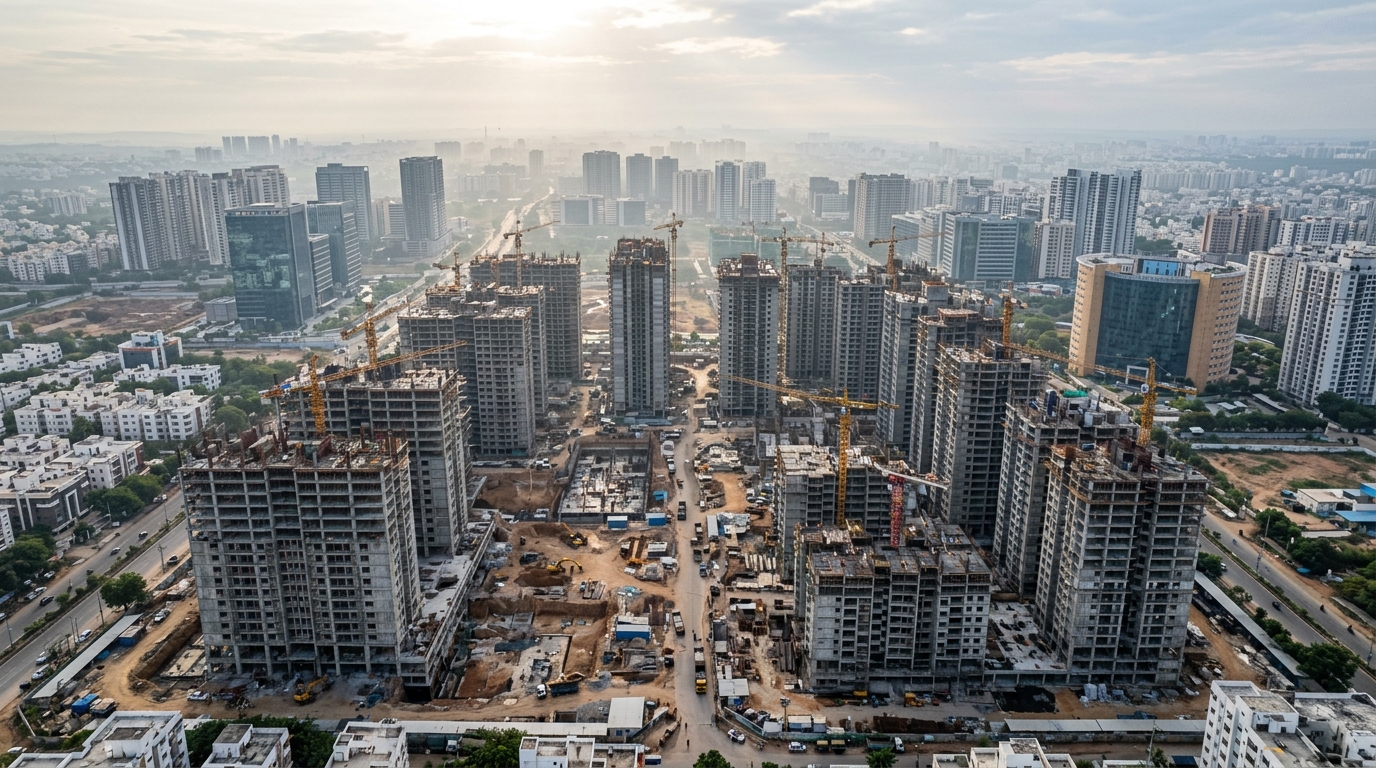
The Hyderabad Boom: Opportunities for Builders and Landowners
The recent focus on successful real estate agents and beginner guides in Telugu, as highlighted by the Hyderabad Real Estate Lens, signals a robust and accessible market. For builders and landowners, this translates to a heightened demand for quality housing and commercial spaces. Landowners in strategic peripheral areas of Hyderabad are well-positioned to capitalize on this growth by partnering with developers. Builders, in turn, should identify these partnerships as a key avenue for land acquisition, especially in areas experiencing significant infrastructure development and economic activity.
The surge in interest underscores a healthy buyer sentiment and a potential supply-demand mismatch. Developers who can accurately forecast future needs and deliver projects that align with market aspirations will gain a significant competitive advantage. This is not just about building; it's about understanding the evolving lifestyle and economic drivers shaping Hyderabad's residential and commercial preferences.
- Identify landowners with strategic parcels in growth corridors.
- Develop differentiated project concepts catering to specific buyer segments.
- Leverage local market intelligence to predict future demand patterns.
Navigating Construction Trends, Approvals, and Supply Pipeline
The success of real estate ventures hinges on efficient project execution. For developers, this means staying abreast of evolving construction technologies that can enhance speed and cost-effectiveness. Streamlining the approval process is paramount; understanding local regulatory frameworks and engaging with authorities proactively can significantly reduce project timelines. The supply pipeline for materials needs careful management to avoid cost overruns and delays. Building strong relationships with reliable suppliers and exploring pre-construction procurement strategies are essential.
A consistent and well-managed supply chain, coupled with efficient construction methodologies, is critical to meeting delivery timelines and maintaining profitability. Developers must also factor in the growing emphasis on sustainable building practices, which are increasingly becoming a market expectation and a regulatory consideration.
- Invest in modern construction technologies for efficiency.
- Proactively engage with regulatory bodies for smooth approvals.
- Diversify material suppliers to mitigate risk and control costs.
- Incorporate sustainable building materials and practices.
Location-Specific Opportunities: Gachibowli, Kokapet, and the Financial District
Hyderabad's western corridor, particularly Gachibowli, Kokapet, and the Financial District, represents a hotbed of opportunity. The concentration of IT companies, educational institutions, and multinational corporations drives a consistent demand for both residential and commercial real estate. These areas are characterized by high disposable incomes and a preference for modern amenities and integrated townships.
Developers focusing on premium residential apartments, co-living spaces, and Grade-A commercial office spaces in these micro-markets are likely to see strong returns. The ongoing infrastructure upgrades and planned developments in these regions further enhance their long-term investment appeal. Land acquisition in these prime zones will be competitive, making strategic foresight and robust negotiation skills crucial for builders.
- Target premium residential and commercial segments in Gachibowli, Kokapet, and Financial District.
- Develop integrated projects offering lifestyle amenities.
- Focus on co-living and flexible office space solutions.
- Monitor ongoing infrastructure projects for future growth potential.
Mitigating Risks and Execution Challenges
While opportunities abound, developers must be cognizant of the inherent risks. Market volatility, fluctuating interest rates, and unexpected changes in government policies can impact project viability. Execution challenges such as skilled labor shortages, supply chain disruptions, and cost escalations require robust contingency planning. Thorough due diligence on land titles, clear understanding of zoning regulations, and meticulous financial planning are non-negotiable.
Furthermore, maintaining a strong brand reputation built on transparency and timely delivery is crucial for long-term success. Developers should also actively manage community relations and environmental impact assessments to ensure projects are well-received and sustainable. Diversifying project portfolios and investment strategies can help in mitigating overall risk.
- Conduct comprehensive market analysis and risk assessment.
- Develop detailed financial models with built-in contingencies.
- Secure reliable skilled labor and manage workforce efficiently.
- Maintain strong stakeholder communication and transparency.
Source: Mshale