Unforeseen Events and Hyderabad's Real Estate Resilience: An Investor's Perspective
Published: June 2026
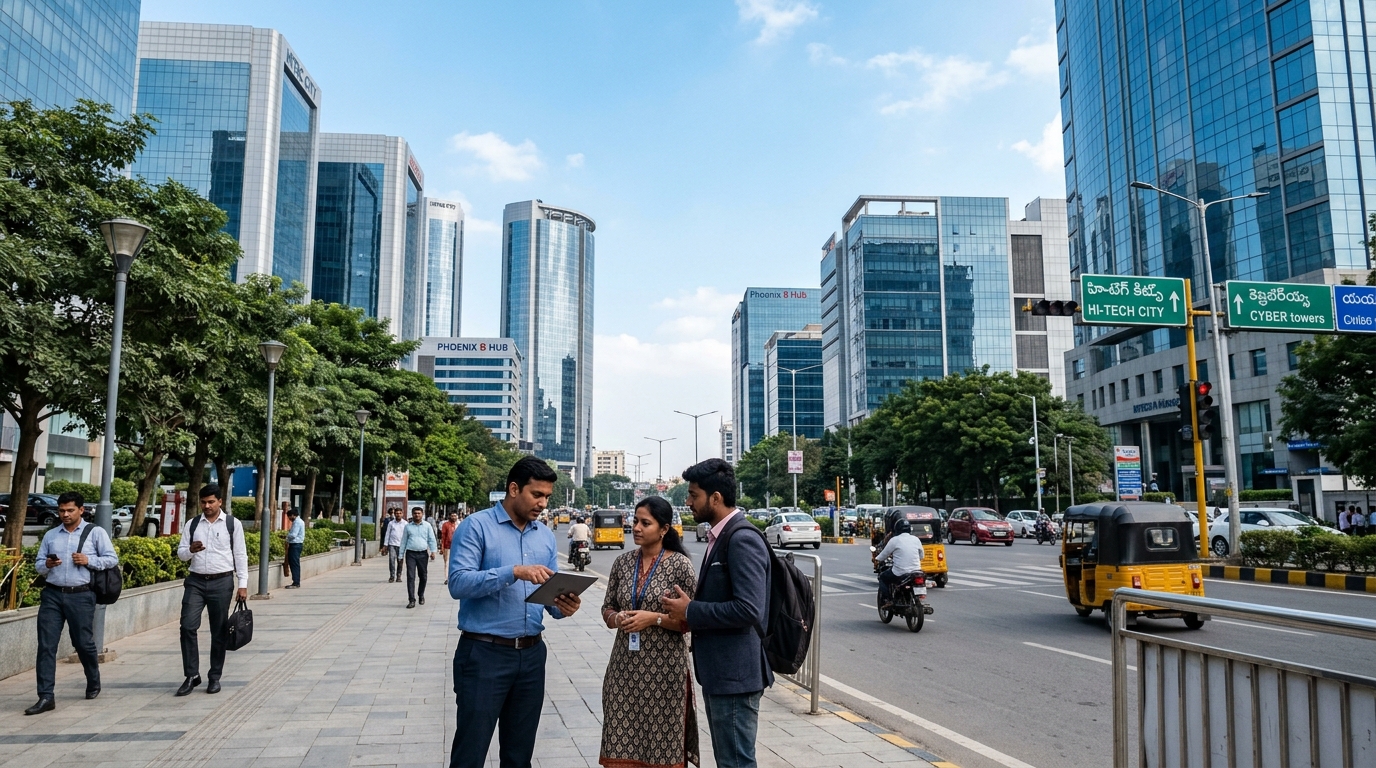
Market Dynamics: Unfazed by Micro-Market Incidents
The recent unfortunate incident in Malkajgiri, while deeply concerning at a personal level, is unlikely to have a significant ripple effect on Hyderabad's broader real estate market fundamentals. Hyderabad has consistently demonstrated strong demand drivers, fueled by a burgeoning IT sector, robust job creation, and a growing population. This sustained demand, particularly in established and emerging micro-markets like Gachibowli, Kokapet, and the Financial District, is primarily driven by economic and demographic factors, which typically outweigh isolated socio-personal events.
Supply-side responses will likely remain anchored to development timelines and regulatory approvals, unaffected by localized crime. Developers continue to focus on delivering projects in areas with proven absorption rates and favorable infrastructure. While property values in Malkajgiri itself might see localized short-term sentiment adjustments, the overall trajectory for Hyderabad's prime residential and commercial areas, characterized by high rental yields and capital appreciation potential, remains positive. The city's consistent ranking as a top performer in national real estate indices underscores its inherent resilience.
- Strong IT sector growth and job creation remain primary demand drivers.
- Infrastructure development in key micro-markets continues to support property values.
- Developer focus remains on areas with proven market absorption.
Institutional Investor Sentiment and Capital Flows
Institutional investors, including private equity funds and REITs, approach real estate markets with a data-driven, long-term perspective. Their investment decisions are primarily guided by macroeconomic trends, infrastructure development, regulatory stability, and sector-specific growth prospects. While they conduct thorough due diligence on individual assets and micro-markets, localized criminal incidents, unless indicative of systemic breakdown or widespread insecurity, rarely deter capital from fundamentally sound markets like Hyderabad.
The city's ongoing expansion of its IT and business hubs, coupled with government initiatives promoting ease of doing business, continues to attract significant foreign and domestic institutional capital. The focus remains on Grade A commercial spaces in prime business districts and well-connected residential developments catering to the affluent workforce. The current incident, while a deviation from the norm, is unlikely to alter the capital flow direction towards Hyderabad's established growth corridors.
- Institutional capital prioritizes macroeconomic stability and sector growth.
- Due diligence focuses on long-term market fundamentals, not isolated incidents.
- Hyderabad's IT and business growth continues to be a magnet for institutional investment.
Policy and Regulatory Landscape: An Unchanged Framework
The policy and regulatory environment in Hyderabad, governed by state-level RERA, urban development authorities, and municipal corporations, is unlikely to be directly impacted by this isolated criminal event. The focus of policymakers remains on facilitating urban development, improving infrastructure, and ensuring investor confidence through transparent governance and effective real estate regulations.
While law and order are crucial for overall societal well-being and indirectly contribute to a stable investment climate, specific real estate policies or zoning regulations are not expected to change as a direct consequence of this incident. The city's sustained development trajectory suggests a stable regulatory framework that supports real estate investment.
- Real estate policies are driven by urban development and economic growth objectives.
- Law and order contribute to a stable investment climate but do not directly alter real estate policy.
- Hyderabad's regulatory framework remains focused on facilitating investment.
Micro-Market Spotlight: Gachibowli, Kokapet, Financial District
These prominent micro-markets in Hyderabad are characterized by their high concentration of IT parks, multinational corporations, and a sophisticated urban infrastructure. Demand in these areas is driven by a highly skilled workforce seeking modern living and working spaces. The sustained influx of talent and investment into these zones creates a fundamental support for property values and rental demand.
While Malkajgiri represents a different segment of the urban landscape, the robust demand fundamentals in Gachibowli, Kokapet, and the Financial District are driven by distinct economic engines. Any localized sentiment shifts in other areas would be unlikely to materially affect the investment appeal and growth trajectory of these prime Hyderabad micro-markets, which continue to attract significant residential and commercial development.
- Gachibowli, Kokapet, and Financial District benefit from IT/ITeS sector dominance.
- High demand from skilled workforce supports property values in these micro-markets.
- These areas continue to be preferred by developers for premium projects.
Source: The New Indian Express